Chaas (Buttermilk) for Babies
Buttermilk
Chaas is a traditional Indian buttermilk drink, known for its cooling properties and probiotic content. It is a refreshing drink made from yogurt, water, and spices like cumin and mint. Learn Benefits, Safety & How to Serve Chaas (Buttermilk) to Babies
When Can Babies Eat Chaas (Buttermilk)? - Introducing Chaas (Buttermilk) to Your Baby
Chaas are not safe for babies under 12 months due to potential health risks. After this age, they can be introduced carefully in small amounts starting at 12 months. This guide explains when it is safe and how to introduce Chaas (Buttermilk) properly.
When to Serve Chaas (Buttermilk) to Babies
Most pediatricians recommend starting solids around 6 months of age. Chaas (Buttermilk) is a fantastic choice to start at 12-months because of its digestion-support, immunity-boost.
Introduce one new food at a time and wait 3-5 days between each new food to easily spot potential allergies.
Safety & Allergy Information
Chaas (Buttermilk) is generally considered a low choking-risk food when properly prepared for your child's age. It is typically recommended to start from 12-months.
Food Characteristics
Safety & Allergy Information
Essential guidelines for safely introducing Chaas (Buttermilk) to your baby.
Ensure it's pasteurized to prevent bacterial contamination.
Introduce gradually to monitor any dairy sensitivity.
Always monitor your baby while feeding new foods for any signs of discomfort.
Evolution of Serving Chaas (Buttermilk)
Safe preparation methods based on your baby's developmental stage.
smooth Texture
Serving Ideas
- not recommended
Preparation Tips
- Not recommended for this age due to potential dairy sensitivity.
Benefits of Chaas (Buttermilk) for Babies
Introducing Chaas (Buttermilk) into your baby's diet provides a natural source of essential nutrients. Chaas (Buttermilk) are an excellent nutritional source of probiotics, calcium, vitamin-b12.
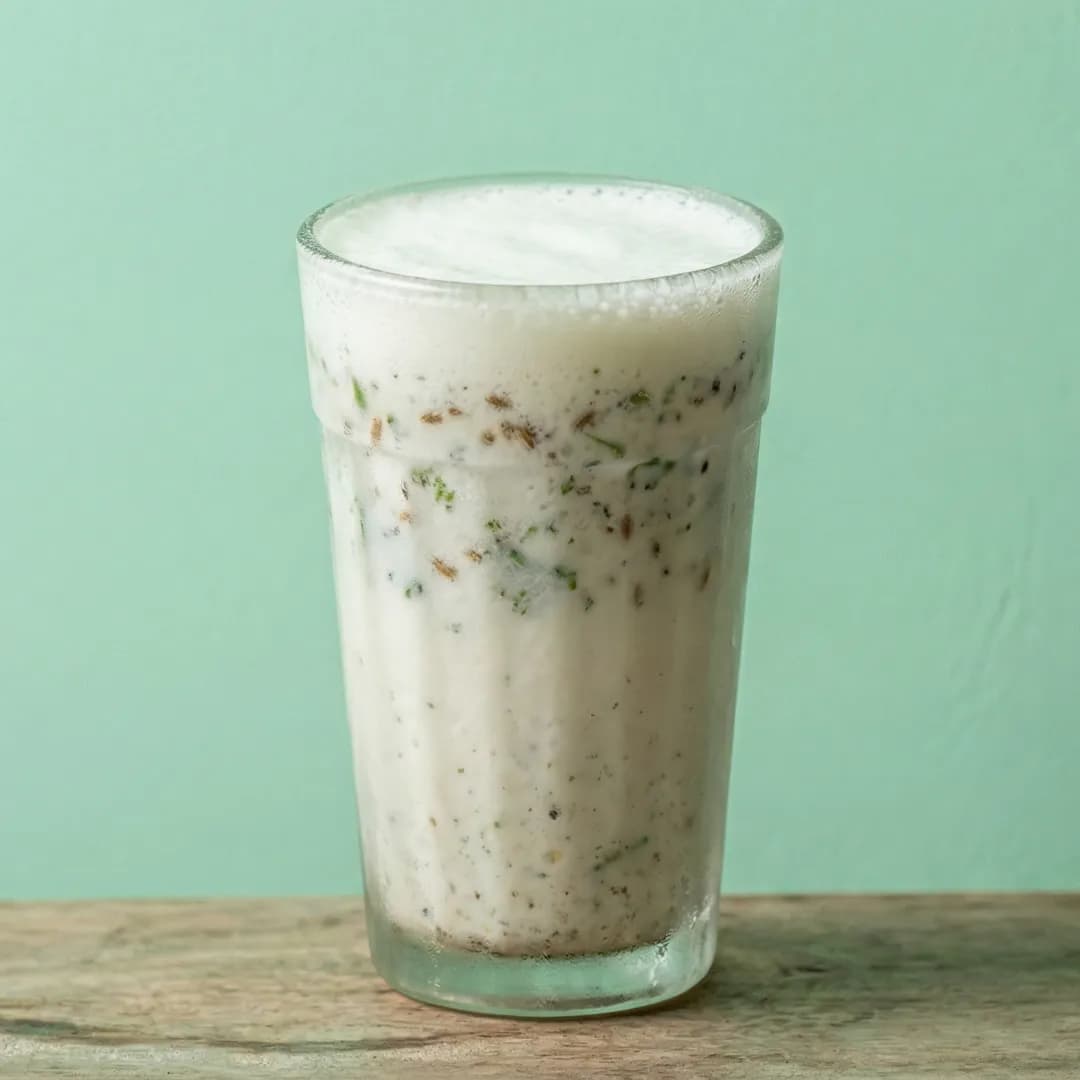
Chaas (Buttermilk) Nutrition for Babies
Key vitamins and minerals in Chaas (Buttermilk) for your baby's development stage.
aids in bone development and strength
supports normal blood and brain functions
Daily Value (%) for Infants
* Percentage of Recommended Daily Intake (RDI) for infants 7-12 months.
Full Nutrition Breakdown
The following nutrition information is for 100g of an Chaas (Buttermilk).Values may vary slightly depending on variety and ripeness.
Nutrition Facts
Serving Size: 100g (Chaas (Buttermilk))
Vitamins
Minerals
* Values are approximate per 100g and may vary based on ripeness and preparation.
Feeding Tips for Chaas (Buttermilk)
Introduce chaas slowly to monitor for any dairy allergies.
Serve chilled to enhance the refreshing properties.
How to Store Chaas (Buttermilk)
Food Tracker
Log your trials and track baby's reactions for this food.
Common Questions About Chaas (Buttermilk) for Babies
Can chaas cause allergies in babies?
How should chaas be stored?
Can chaas be given to babies under 12 months?
How can I make chaas more nutritious for toddlers?
Complete Guide to Chaas (Buttermilk) for Babies
Chaas is best served as a refreshing drink, particularly in the afternoons or as an evening accompaniment to meals. It can be introduced after 12 months, where it is a great way to keep the child hydrated and offer probiotic benefits. As children grow, chaas can be offered more frequently, particularly in hotter climates to help with cooling. For toddlers, incorporating chaas 2-3 times a week can aid digestion and provide exposure to probiotics.
Chaas is generally well-tolerated, aiding digestion and being easy on the tummy due to its probiotic content. However, some children may experience loose stools initially, as with other dairy products. Introducing chaas gradually and ensuring it is pasteurized will minimize any negative digestive reactions.
Initially, chaas should be prepared as a smooth liquid using pasteurized yogurt. From 6 months to 12 months, chaas is not recommended. Post 12 months, as tolerance to dairy improves, chaas can be introduced. At around 18 months, you can start adding mild spices for flavor enhancement and texture changes such as small vegetable pieces or finely grated cucumber. By 24 months, lightly lumpy textures can be introduced safely. Always serve chilled to maintain its refreshing properties and ensure safety from choking hazards by ensuring the drink is smooth without large lumps.
Foods Similar to Chaas (Buttermilk) for Babies
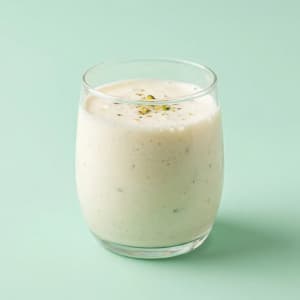
Baby Recipes with Chaas (Buttermilk)
Nutritious and easy-to-digest recipes using chaas (buttermilk) as a base.
Classic Spiced Chaas
A simple chaas recipe with yogurt, water, cumin seeds, and salt.
Minty Chaas
A refreshing mint chaas blending yogurt, mint leaves, and spices.
Cucumber Chaas
A cooling cucumber-infused chaas perfect for hot days.
Expert Guides for Your Journey
Step-by-step preparation guides to help you serve food safely at every stage.
The 100 First Foods Challenge
Introducing a wide variety of 100 foods before baby peaks at age one can significantly reduce picky eating. Track your progress with us!