Dalia for Babies - When to Introduce, How to Serve & Nutritional Benefits
Triticum aestivum
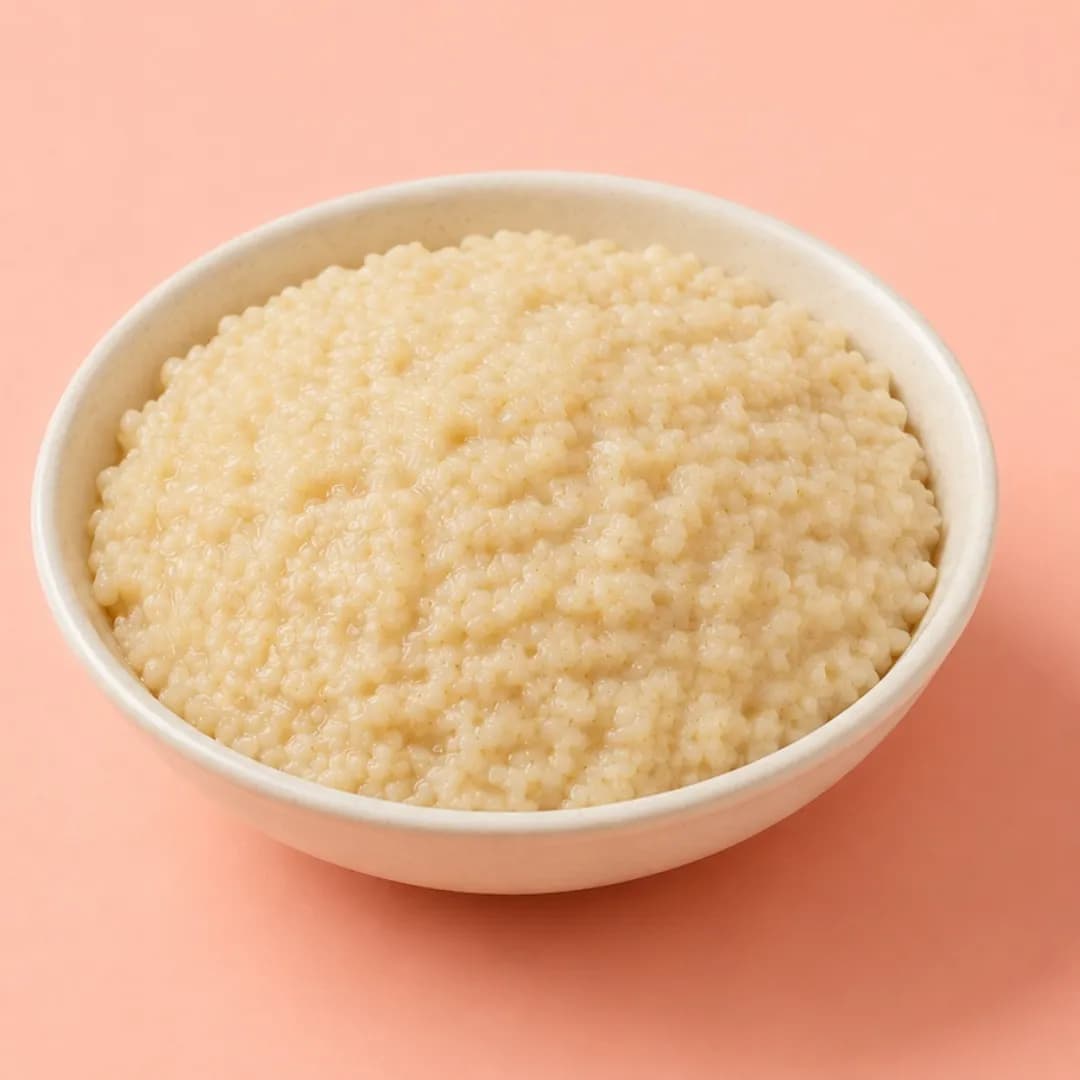
Dalia, or cracked wheat, is a nutritious grain known for its high fiber content. It is commonly used in Indian households as a base for porridge and other dishes. Learn Benefits, Safety & How to Serve Dalia to Babies
When Can Babies Eat Dalia? - Introducing Dalia to Your Baby
Dalia is a nutritious first food for babies, typically introduced around 6 months. They provide key nutrients like fiber, iron, magnesium that support weight gain and digestion support. This complete guide covers when and how to introduce Dalia, along with safe preparation methods and serving ideas. It can also be served as soft, graspable pieces, making it suitable for baby-led weaning (BLW) when prepared safely.
When to Serve Dalia to Babies
Most pediatricians recommend starting solids around 6 months of age. Dalia is a fantastic choice to start at 6-months because of its weight-gain, digestion-support.
Introduce one new food at a time and wait 3-5 days between each new food to easily spot potential allergies.
Safety & Allergy Information
Dalia is generally considered a low choking-risk food when properly prepared for your child's age. It is typically recommended to start from 6-months.
Food Characteristics
Safety & Allergy Information
Essential guidelines for safely introducing Dalia to your baby.
Ensure thoroughly cooked to avoid choking.
Start with smooth textures for younger babies.
Always monitor your baby while feeding new foods for any signs of discomfort.
Evolution of Serving Dalia
Safe preparation methods based on your baby's developmental stage.
smooth Texture
Serving Ideas
- Serve as a smooth porridge.
- Mix with breast milk or formula.
Preparation Tips
- Cook thoroughly to achieve a smooth consistency.
- Let cool before serving.
How to Serve Dalia for Baby-Led Weaning (BLW)
Can be cooked soft and served as porridge or finger-sized pieces for self-feeding.. It can be introduced as BLW food starting 6-months.
Benefits of Dalia for Babies
Introducing Dalia into your baby's diet provides a natural source of essential nutrients. Dalia are an excellent nutritional source of fiber, iron, magnesium.
Dalia Nutrition for Babies
Key vitamins and minerals in Dalia for your baby's development stage.
promotes healthy bowel movements and prevents constipation
supports oxygen transport and prevents anemia
Daily Value (%) for Infants
* Percentage of Recommended Daily Intake (RDI) for infants 7-12 months.
Full Nutrition Breakdown
The following nutrition information is for 100g of an Dalia.Values may vary slightly depending on variety and ripeness.
Nutrition Facts
Serving Size: 100g (Dalia)
Vitamins
Minerals
* Values are approximate per 100g and may vary based on ripeness and preparation.
Feeding Tips for Dalia
Introduce as a smooth porridge for young babies.
Gradually increase texture as your child grows.
How to Store Dalia
Food Tracker
Log your trials and track baby's reactions for this food.
Common Questions About Dalia for Babies
Can dalia be stored for later use?
Is dalia suitable for gluten-sensitive babies?
How should dalia be introduced to infants?
What are the main nutritional benefits of dalia?
Can babies eat dalia?
At what age can I give dalia to my baby?
Is dalia good for a 6-month-old baby?
Is dalia gluten-free? Can I give it to a baby with gluten sensitivity?
Can I give dalia with milk to my baby?
Can dalia help with baby constipation?
Can I give dalia with vegetables to my baby?
How much dalia should I give my baby per day?
Complete Guide to Dalia for Babies
Dalia can be given as a morning breakfast or an evening meal. It’s versatile enough to be flavored with sweet or savory ingredients, making it an exciting choice for your baby’s palate. Starting with a smooth porridge can introduce babies to its texture and gradually transition to thicker consistencies. It can be served 2-3 times a week mixed with different fruits or vegetables to offer variety and balanced nutrition. Initially, serve dalia in small portions, gradually increasing as your child’s appetite grows. Parents should be mindful of its fiber content, which is beneficial for regulating bowel movements but can cause gas if consumed in excess. To prevent digestive discomfort, ensure it is well-cooked and served in appropriate portions. As your baby transitions from 6 to 24 months, dalia preparation will evolve. Begin with a simple porridge, gradually adding more texture by including finely chopped or mashed fruits and vegetables. By 12 months, introduce dalia in chunkier forms, like finger foods, to encourage self-feeding. Always ensure the pieces are soft enough to avoid choking. By age two, dalia can be a more complex dish with spices and firmer textures. Be sure to adjust these elements gradually to suit your child's developing tastes and chewing abilities.
When to Feed
Dalia is a wonderfully versatile grain that works equally well as a morning breakfast or a warm, filling evening meal. Its neutral flavour means it takes on the taste of whatever it is paired with - sweet pairings like banana, apple, or pear puree work well for breakfast, while savoury pairings like mashed carrot, pumpkin, or a drizzle of dal work well as a lunch or dinner option. From 6 months, a warm thin porridge is ideal. As your baby grows, dalia transitions naturally into a thicker porridge, a soft upma, or a vegetable khichdi - making it one of the most age-adaptable foods in an Indian baby's diet. Because it is energy-dense and filling, it is particularly well-suited as a pre-nap or bedtime meal for babies who need sustained energy overnight.
How Often to Feed
Dalia can be offered 2-3 times a week as a reliable staple within a varied, balanced weaning diet. While it is highly nutritious, it is important to rotate it with other grains - such as rice, ragi, oats, and barley - to ensure your baby receives a broad spectrum of nutrients and develops a wide-ranging palate. At 6 months begin with 2-3 tablespoons once a day, increasing to 4-6 tablespoons by 8-9 months. By 12 months a small bowl per serving is appropriate. Because dalia is high in fibre, avoid serving large portions in one sitting, particularly in the early weeks of introduction, as excess fibre can cause gas and bloating in some babies. Always adjust frequency and portion size based on your individual baby's appetite, growth, and stool pattern.
Digestion Behaviour
Dalia is generally easy to digest when properly cooked and served in age-appropriate portions. Its high dietary fibre content (one of the highest among common Indian baby grains) actively promotes healthy bowel movements and can help prevent and relieve constipation - a common issue when babies transition to solids. However, because fibre content is high, introducing dalia too quickly or in large quantities can cause gas, bloating, or loose stools in sensitive babies. To minimise digestive discomfort: always dry-roast dalia before cooking (this improves digestibility), ensure it is thoroughly cooked until completely soft, start with small portions and increase gradually, and pair with adequate fluids throughout the day. If your baby shows persistent digestive discomfort, reduce frequency and consult your paediatrician.
Preparation Evolution by Age
6 months: Dry-roast fine dalia, cook thoroughly in water until completely soft, then blend into a thin lump-free porridge. Mix with breast milk or formula for familiar flavour and smooth consistency. No salt, no sugar, no spices. Begin with 2-3 tablespoons.
7-8 months: Move to a thicker, lumpier porridge consistency. Introduce vegetable pairings such as mashed carrot, sweet potato, or peas cooked in with the dalia. A small amount of ghee can be added for healthy calories and improved vitamin absorption.
9-10 months: Introduce soft dalia upma or dalia khichdi with finely chopped soft vegetables. At this stage your baby can handle more texture and the mild seasoning of cumin seeds tempered in ghee. This is also an ideal stage for BLW - soft dalia patties or well-cooked dalia balls can be offered as finger foods for self-feeding practice.
12 months: A full soft dalia khichdi with mixed vegetables and a small amount of salt (following your paediatrician's guidance) is appropriate. You can now introduce mild spices like turmeric and cumin, and dalia halwa with jaggery can be offered as an occasional sweet treat.
18-24 months: Toddlers can enjoy dalia in more complex preparations - dalia pulao with vegetables, dalia dosa, or a thick sweet dalia porridge with dry fruits and nuts (ensure nuts are finely ground for safety). Experiment with sweet and savoury versions across the week to maintain variety and keep mealtimes interesting.
Throughout all stages, ensure dalia is well cooked, moist, and served warm. Dry or undercooked dalia poses both a digestive and choking risk for young babies. Always monitor your baby when introducing a new texture or accompaniment and adjust based on their comfort and readiness.
What is the difference between dalia and oats for babies?
Both dalia and oats are excellent whole grain first foods for babies, but they have key differences. Dalia (cracked wheat) is higher in protein (12g per 100g) and iron (3.5mg per 100g) than regular oats, making it particularly good for weight gain and preventing iron deficiency anaemia. Oats have a slightly higher beta-glucan fibre content which is excellent for gut health. Oats are also naturally gluten-free (if certified), making them safer for wheat-sensitive babies. Dalia has a more neutral, savoury flavour making it versatile for both sweet and savoury preparations, while oats lean naturally sweet. Ideally, rotate between both for maximum nutritional variety.
How do I make dalia porridge for a 6-month-old baby?
To make dalia porridge for a 6-month-old:
- dry roast 2 tablespoons of fine dalia in a pan on low heat for 3-4 minutes until lightly golden and fragrant.
- Add 1 cup of water and cook on low heat, stirring continuously, for 8-10 minutes until completely soft.
- Let it cool slightly, then blend to a smooth lump-free consistency.
- Mix with 2-3 tablespoons of breast milk or formula to achieve a thin, pourable consistency suitable for a young baby.
- Do not add any salt, sugar, or spices.
- Always test the temperature before serving.
- This makes approximately 2-3 servings for a 6-month-old.
Baby Recipes with Dalia
Nutritious and easy-to-digest recipes using dalia as a base.
Basic Dalia Porridge
A simple, nourishing porridge that is perfect for introducing grains to babies.
Dalia Banana Mash
A delightful combination of dalia and banana, providing a sweet and filling meal.
Dalia Vegetable Finger Food
A tasty finger food made from dalia and mixed vegetables, ideal for toddlers.
Expert Guides for Your Journey
Step-by-step preparation guides to help you serve food safely at every stage.
The 100 First Foods Challenge
Introducing a wide variety of 100 foods before baby peaks at age one can significantly reduce picky eating. Track your progress with us!