Idli for Babies - When to Introduce, How to Serve & Nutritional Benefits
Rice (Oryza sativa) and Black Gram (Vigna mungo)
Idli is a popular South Indian dish made from fermented rice and black gram batter. It is known for its soft, fluffy texture and is a staple breakfast item. Learn Benefits, Safety & How to Serve Idli to Babies
When Can Babies Eat Idli? - Introducing Idli to Your Baby
Idli is a nutritious first food for babies, typically introduced around 6 months. They provide key nutrients like carbohydrates, fiber, iron that support digestion support and energy boost. This complete guide covers when and how to introduce Idli, along with safe preparation methods and serving ideas. It can also be served as soft, graspable pieces, making it suitable for baby-led weaning (BLW) when prepared safely.
When to Serve Idli to Babies
Most pediatricians recommend starting solids around 6 months of age. Idli is a fantastic choice to start at 6-months because of its digestion-support, energy-boost.
Introduce one new food at a time and wait 3-5 days between each new food to easily spot potential allergies.
Safety & Allergy Information
Idli is generally considered a low choking-risk food when properly prepared for your child's age. It is typically recommended to start from 6-months.
Food Characteristics
Safety & Allergy Information
Essential guidelines for safely introducing Idli to your baby.
Ensure idli is soft and not dry to reduce choking risk.
Serve in appropriate size and shape for age.
Always monitor your baby while feeding new foods for any signs of discomfort.
Evolution of Serving Idli
Safe preparation methods based on your baby's developmental stage.
smooth Texture
Serving Ideas
- Blend idli into a smooth puree.
- Add breast milk or formula for consistency.
Preparation Tips
- Ensure idli is soft for easy mashing.
- Avoid adding salt or spices.
How to Serve Idli for Baby-Led Weaning (BLW)
Soft texture and round shape make it easy for self-feeding.. It can be introduced as BLW food starting 9-months.
Benefits of Idli for Babies
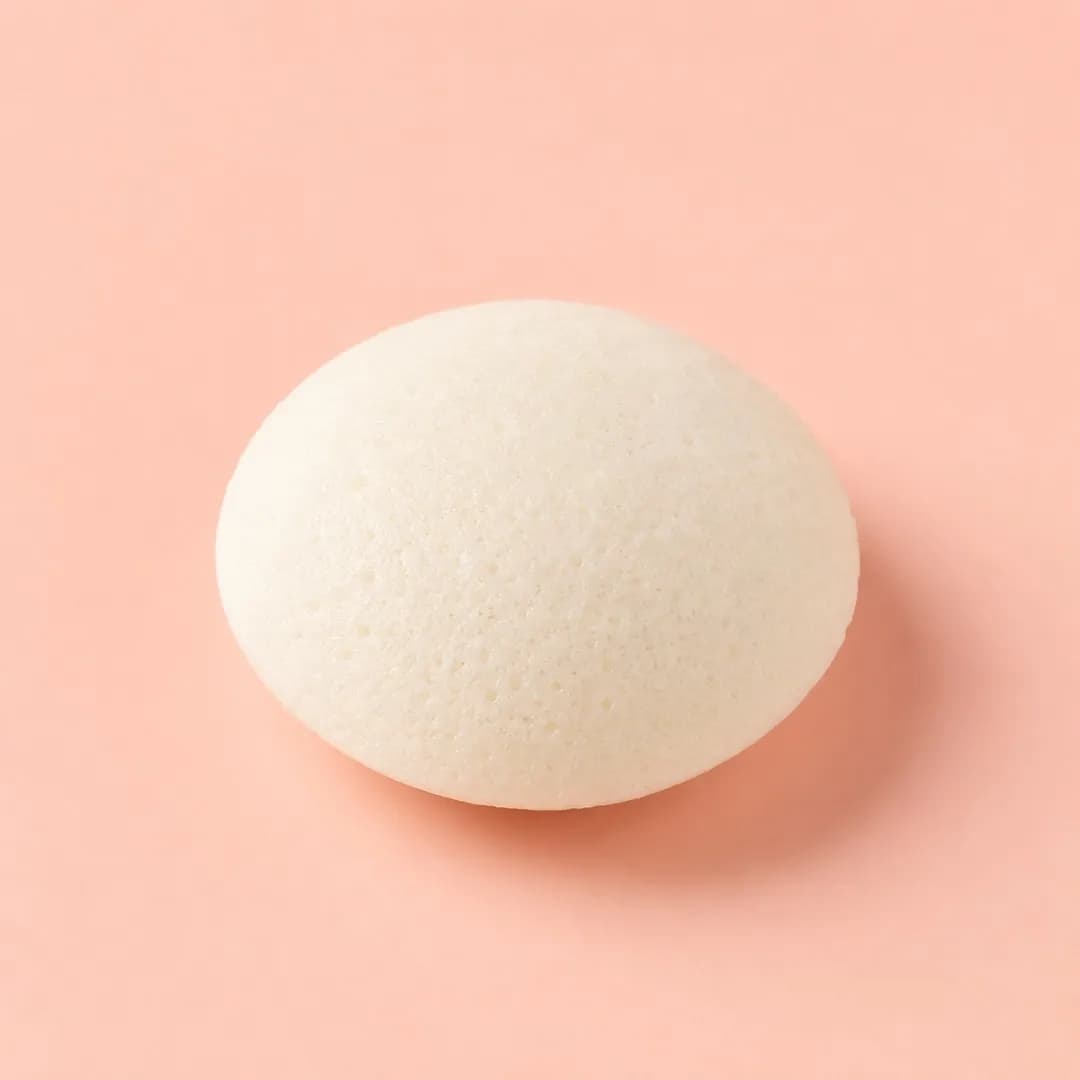
Introducing Idli into your baby's diet provides a natural source of essential nutrients. Idli are an excellent nutritional source of carbohydrates, fiber, iron.
Idli Nutrition for Babies
Key vitamins and minerals in Idli for your baby's development stage.
supports oxygen transport and prevents anemia
promotes digestive health and regularity
Daily Value (%) for Infants
* Percentage of Recommended Daily Intake (RDI) for infants 7-12 months.
Full Nutrition Breakdown
The following nutrition information is for 100g of an Idli.Values may vary slightly depending on variety and ripeness.
Nutrition Facts
Serving Size: 100g (Idli)
Vitamins
Minerals
* Values are approximate per 100g and may vary based on ripeness and preparation.
Feeding Tips for Idli
Introduce gradually and monitor for any reactions.
Serve fresh to maintain nutritional benefits.
How to Store Idli
Food Tracker
Log your trials and track baby's reactions for this food.
Common Questions About Idli for Babies
How should I introduce idli to my baby?
Can idli cause any digestive issues?
Which age is it safe to introduce idli?
How to store idli batter safely?
Can babies eat idli?
Is idli good for a 6-month-old baby?
How do I make idli for a baby without salt?
Can I give idli with sambar to my baby?
How much idli can I give my baby per day?
Complete Guide to Idli for Babies
When to feed:
Idli can be served as a filling breakfast or a light evening meal. Its soft texture makes it an ideal option for babies who are starting on solids. Due to its mild taste, it can be paired with a variety of vegetable purees or dips, depending on the time of day.
Its naturally soft, fluffy texture is ideal for babies who are just beginning their solids journey, and its completely neutral, mild taste means it pairs well with a wide range of accompaniments. At 6 months you can pair it with mashed vegetable purees like carrot or pumpkin. By 9-10 months, a thin homemade dal or mild sambar works well. Because idli is light yet sustaining, it is also a practical option as a pre-nap snack for older babies and toddlers who need an energy top-up without a heavy meal.
How often to feed:
Idli is a versatile food that can be offered 2 to 3 times a week as part of a balanced diet. It's important to observe your baby's reaction and adjust the frequency accordingly. Portion sizes should be appropriate for the baby's age and appetite.
While it is nutritious, it is important to rotate it with other grains and lentil-based foods such as khichdi, dalia, and ragi porridge so your baby receives a broader spectrum of nutrients. Start with small portions - 1 to 2 tablespoons of puree at 6 months - and gradually increase to half or one small idli by 9 months and one to two idlis by 12 months. Always adjust portion sizes based on your baby's individual appetite and growth, and never force-feed if they show signs of fullness.
Digestion behavior:
Idli is generally easy to digest and is known for promoting gut health due to its fermented nature. The traditional fermentation of rice and urad dal batter for 8-12 hours breaks down complex starches, increases nutrient bioavailability, and introduces natural probiotics that actively support a healthy gut microbiome. This makes idli significantly easier to digest than unfermented rice or dal dishes. However, some babies may experience mild bloating or gas. To counter this, always use well-fermented batter and ensure the idli is well-cooked and moist rather than dry.
Preparation evolution:
For babies starting solids at 6 months, idli should be pureed to a smooth consistency. As they grow older, the texture can evolve to lumpy and then soft-solid by 12 months. By 18 months, children can handle small idli pieces, encouraging self-feeding. Ensure that throughout these stages, the idli remains moist and not dry to avoid choking hazards. Always monitor your child's response to this new food and make texture adjustments as necessary.
6 months: Steam fresh idli and blend with breast milk, formula, or boiled cooled water into a completely smooth, lump-free puree. No salt, no sugar, no spices. Start with 1-2 tablespoons.
7-8 months: Move to a soft mashed consistency using the back of a spoon. You can now introduce mild flavour additions like a small amount of ghee or a drizzle of plain dal water. Portions can increase to 3-4 tablespoons.
9-10 months: Offer small soft pieces or strips that your baby can pick up and self-feed. This is the ideal stage to introduce idli as a baby-led weaning (BLW) finger food. Pair with thin homemade sambar or coconut chutney (no added salt).
12 months: Small idli cut into quarters or bite-sized pieces. You can now introduce mild tempering with a small amount of cumin or mustard seeds and begin reducing the no-salt rule in line with your paediatrician's guidance.
18-24 months: Toddlers can handle a whole small idli or mini idlis independently. Explore variations like ragi idli, vegetable-stuffed idli, or oats idli to maintain variety and nutritional diversity.
Throughout all stages, always ensure the idli is moist and freshly steamed. Dry or stale idli poses a higher choking risk and is less palatable for young babies.
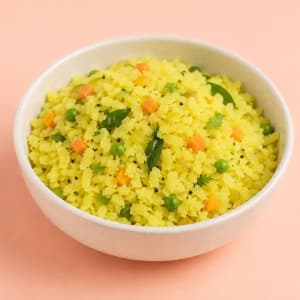
Foods Similar to Idli for Babies
Baby Recipes with Idli
Nutritious and easy-to-digest recipes using idli as a base.
Idli Puree
Blend steamed idlis with breast milk to create a smooth puree suitable for 6-month-olds.
Idli Fingers
Cut idlis into finger-sized strips that are easy for self-feeding.
Stuffed Idli
Fill idlis with soft mashed vegetables for older toddlers.
Expert Guides for Your Journey
Step-by-step preparation guides to help you serve food safely at every stage.
The 100 First Foods Challenge
Introducing a wide variety of 100 foods before baby peaks at age one can significantly reduce picky eating. Track your progress with us!