Maple Syrup for Babies
Acer saccharum
Maple syrup is a natural sweetener derived from the sap of the sugar maple tree. It is widely used as a healthier alternative to refined sugar due to its mineral content, including calcium and potassium. Learn Benefits, Safety & How to Serve Maple Syrup to Babies
When Can Babies Eat Maple Syrup? - Introducing Maple Syrup to Your Baby
Maple Syrup are not safe for babies under 12 months due to potential health risks. After this age, they can be introduced carefully in small amounts starting at 12 months. This guide explains when it is safe and how to introduce Maple Syrup properly.
When to Serve Maple Syrup to Babies
Most pediatricians recommend starting solids around 6 months of age. Maple Syrup is a fantastic choice to start at 12-months because of its energy-boost.
Introduce one new food at a time and wait 3-5 days between each new food to easily spot potential allergies.
Safety & Allergy Information
Maple Syrup is generally considered a low choking-risk food when properly prepared for your child's age. It is typically recommended to start from 12-months.
Food Characteristics
Safety & Allergy Information
Essential guidelines for safely introducing Maple Syrup to your baby.
Avoid high sugar intake; use sparingly.
Ensure syrup is free from artificial additives.
Always monitor your baby while feeding new foods for any signs of discomfort.
Evolution of Serving Maple Syrup
Safe preparation methods based on your baby's developmental stage.
smooth Texture
Serving Ideas
- not recommended
Preparation Tips
- Avoid for infants under 12 months due to high sugar content.
Benefits of Maple Syrup for Babies
Introducing Maple Syrup into your baby's diet provides a natural source of essential nutrients. Maple Syrup are an excellent nutritional source of calcium, potassium, zinc.
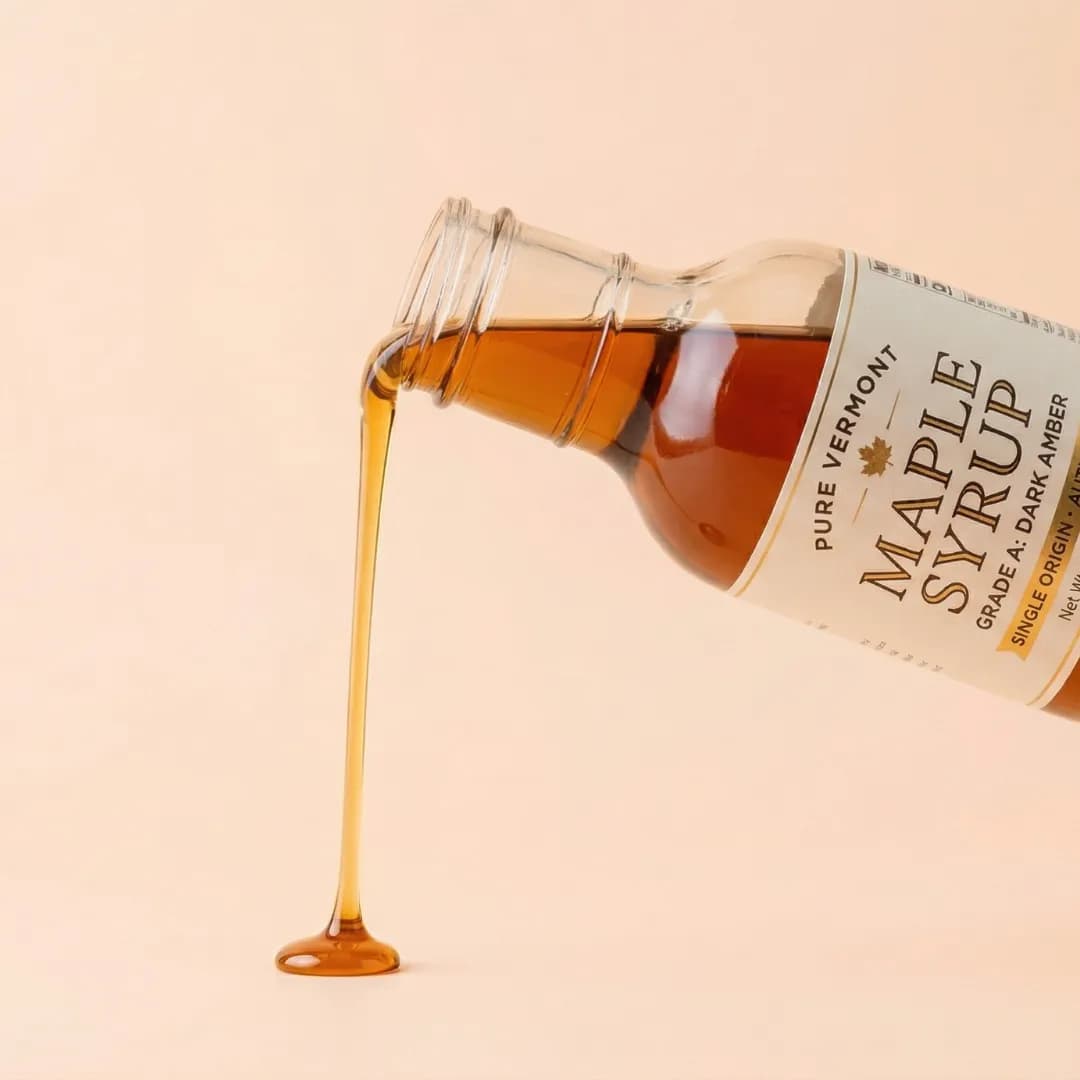
Maple Syrup Nutrition for Babies
Key vitamins and minerals in Maple Syrup for your baby's development stage.
strengthens developing bones and teeth
supports heart and muscle function
Daily Value (%) for Infants
* Percentage of Recommended Daily Intake (RDI) for infants 7-12 months.
Full Nutrition Breakdown
The following nutrition information is for 100g of an Maple Syrup.Values may vary slightly depending on variety and ripeness.
Nutrition Facts
Serving Size: 100g (Maple Syrup)
Vitamins
Minerals
* Values are approximate per 100g and may vary based on ripeness and preparation.
Feeding Tips for Maple Syrup
Introduce in small amounts from 12 months onwards.
Mix with porridge or yogurt for added sweetness.
How to Store Maple Syrup
Food Tracker
Log your trials and track baby's reactions for this food.
Common Questions About Maple Syrup for Babies
Can maple syrup be given to a baby under 12 months?
How can I introduce maple syrup to my toddler?
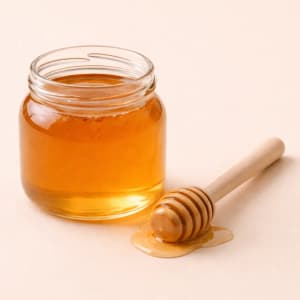
Is maple syrup a good alternative to honey?
What is the nutritional benefit of maple syrup?
Complete Guide to Maple Syrup for Babies
Maple syrup is best introduced around 12 months, typically in the morning or as a snack. It pairs well with breakfast foods such as pancakes and oatmeal, providing natural sweetness without the need for refined sugar. This timing ensures your child starts their day with a boost of energy.
Feeding maple syrup should be done cautiously, no more than a couple of times a week. Due to its high sugar content, it's vital to maintain moderation, ensuring it complements other foods rather than dominating the diet. Introduce in small quantities and observe any digestive reactions.
Maple syrup is relatively easy to digest, but excessive consumption can lead to digestive discomfort such as gas or upset stomach. Parents should ensure its use is balanced with fiber-rich foods to mitigate any potential issues. If your child exhibits adverse reactions, consider reducing the amount or frequency of use.
As your child grows, the preparation and use of maple syrup can evolve. For 12-month-olds, it's best to mix into smooth dishes like porridge or yogurt. From 18 months, you can encourage self-feeding by offering it as a drizzle over finger foods like pancakes. By 24 months, maple syrup can be part of more complex dishes, yet always aim for a balance to avoid overconsumption of sugars. Throughout this progression, always ensure the syrup is pure and free from additives, ensuring safety and enhancing natural benefits.
Foods Similar to Maple Syrup for Babies
Baby Recipes with Maple Syrup
Nutritious and easy-to-digest recipes using maple syrup as a base.
Maple Syrup Porridge
A hearty breakfast porridge sweetened naturally with maple syrup.
Maple Drizzled Pancakes
Fluffy pancakes enhanced with a drizzle of pure maple syrup.
Yogurt with Maple Syrup
A delightful yogurt dish sweetened with a touch of maple syrup.
Expert Guides for Your Journey
Step-by-step preparation guides to help you serve food safely at every stage.
The 100 First Foods Challenge
Introducing a wide variety of 100 foods before baby peaks at age one can significantly reduce picky eating. Track your progress with us!