Olive Oil for Babies
Olea europaea
Olive oil is a liquid fat obtained from olives, a traditional tree crop of the Mediterranean Basin. It is commonly used in cooking, cosmetics, pharmaceuticals, and soaps. Learn Benefits, Safety & How to Serve Olive Oil to Babies
When Can Babies Eat Olive Oil? - Introducing Olive Oil to Your Baby
Olive Oil is a nutritious first food for babies, typically introduced around 6 months. They provide key nutrients like omega 3, vitamin e, monounsaturated fat that support energy boost and immunity boost. This complete guide covers when and how to introduce Olive Oil, along with safe preparation methods and serving ideas.
When to Serve Olive Oil to Babies
Most pediatricians recommend starting solids around 6 months of age. Olive Oil is a fantastic choice to start at 6-months because of its energy-boost, immunity-boost.
Introduce one new food at a time and wait 3-5 days between each new food to easily spot potential allergies.
Safety & Allergy Information
Olive Oil is generally considered a low choking-risk food when properly prepared for your child's age. It is typically recommended to start from 6-months.
Food Characteristics
Safety & Allergy Information
Essential guidelines for safely introducing Olive Oil to your baby.
Introduce in small amounts to monitor for reactions.
Avoid overheating to preserve nutrients.
Always monitor your baby while feeding new foods for any signs of discomfort.
Evolution of Serving Olive Oil
Safe preparation methods based on your baby's developmental stage.
smooth Texture
Serving Ideas
- Mix a small amount into vegetable purees.
- Add to rice cereal for extra calories.
Preparation Tips
- Use a small amount to start, about 1/4 teaspoon.
- Ensure oil is fresh and stored properly.
Benefits of Olive Oil for Babies
Introducing Olive Oil into your baby's diet provides a natural source of essential nutrients. Olive Oil are an excellent nutritional source of omega-3, vitamin-e, monounsaturated-fat.
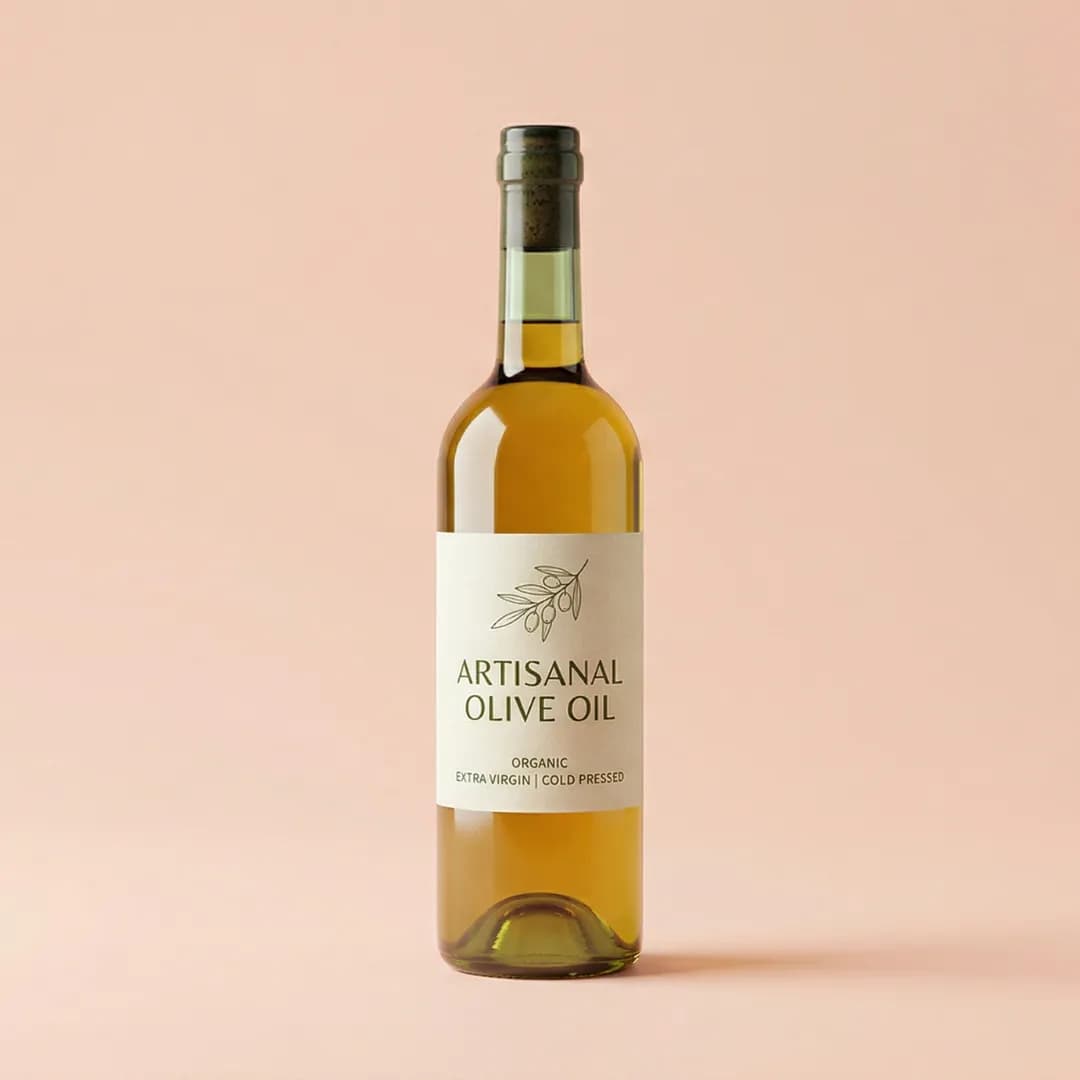
Olive Oil Nutrition for Babies
Key vitamins and minerals in Olive Oil for your baby's development stage.
supports brain development and function
protects cells from oxidative damage
Daily Value (%) for Infants
* Percentage of Recommended Daily Intake (RDI) for infants 7-12 months.
Full Nutrition Breakdown
The following nutrition information is for 100g of an Olive Oil.Values may vary slightly depending on variety and ripeness.
Nutrition Facts
Serving Size: 100g (Olive Oil)
Vitamins
Minerals
* Values are approximate per 100g and may vary based on ripeness and preparation.
Feeding Tips for Olive Oil
Introduce olive oil in small amounts to observe any reactions.
Mix with purees for added healthy fats.
How to Store Olive Oil
Food Tracker
Log your trials and track baby's reactions for this food.
Common Questions About Olive Oil for Babies
Can olive oil be used for cooking baby food?
Is olive oil safe for babies?
How should olive oil be stored?
What are the benefits of olive oil for babies?
Is olive oil good for babies?
Can olive oil help with baby constipation?
How much olive oil can I add to baby food?
Can I add olive oil to homemade baby food?
Is extra virgin olive oil better than regular olive oil for babies?
Complete Guide to Olive Oil for Babies
How much olive oil for a 6 month old baby? (How many teaspoons per meal)
For a 6 month old baby, olive oil should be introduced in very small amounts. The recommended starting quantity is just 1/4 teaspoon of olive oil per meal, mixed into a smooth puree or mash. There is no need to add more than this at first. As your baby gets used to it over the following weeks, you can gradually increase to about 1/2 to 1 teaspoon per meal. A good rule of thumb is to keep olive oil to roughly 1 teaspoon or less per serving for babies under one year, since their tiny stomachs only need small portions of added fat.
Why start with 1/4 teaspoon of olive oil in baby food?
Starting with 1/4 teaspoon of olive oil in baby food lets you watch how your baby tolerates this new healthy fat before offering more. A 1/4 teaspoon is enough to add calories, mild flavor, and beneficial monounsaturated fats and omega-3s without overwhelming your baby's digestion. Introducing one new food at a time and waiting 3 to 5 days helps you spot any reaction. Once your baby handles 1/4 teaspoon well, you can slowly work up to 1 teaspoon per meal.
When to feed olive oil to your baby:
Olive oil can be introduced to your baby's diet starting at six months. It is best to incorporate it into meals during the morning or evening when preparing purees or mashes. Olive oil adds a mild flavor and healthy fats that are beneficial for your baby's development.
How often to feed olive oil
Olive oil can be used a few times a week as part of your baby's meals. Begin with 1/4 teaspoon per meal and increase gradually as your baby adjusts. It is a versatile ingredient you can mix into vegetable purees, rice cereal, mashed potatoes, soups, and porridges to boost flavor and nutrition.
Digestion behavior
Olive oil is generally easy to digest and can help with constipation relief due to its lubricating properties. However, introducing it in large amounts may cause mild digestive upset. It's important to monitor your baby's reaction and adjust the quantity accordingly.
Preparation evolution:
At six months, olive oil can be mixed into smooth purees. As your baby grows, you can incorporate it into lumpier textures and eventually soft solids by 12 months. By 18 to 24 months, olive oil can be used in more complex dishes like pasta or as a dressing for salads. Always ensure the oil is fresh and stored properly to maintain its nutritional benefits.
Foods Similar to Olive Oil for Babies
Baby Recipes with Olive Oil
Nutritious and easy-to-digest recipes using olive oil as a base.
Carrot Puree with Olive Oil
A smooth carrot puree enhanced with a touch of olive oil for added nutrients.
Mashed Avocado with Olive Oil
Creamy mashed avocado blended with olive oil for a nutritious meal.
Pasta with Olive Oil and Cheese
Soft pasta tossed with olive oil and cheese for a toddler-friendly dish.
Expert Guides for Your Journey
Step-by-step preparation guides to help you serve food safely at every stage.
The 100 First Foods Challenge
Introducing a wide variety of 100 foods before baby peaks at age one can significantly reduce picky eating. Track your progress with us!