Shrimp for Babies - When Can Babies Eat Shrimp
Penaeus monodon
Shrimp are a rich source of protein and omega-3 fatty acids, making them a beneficial addition to a toddler's diet. While they do present a high allergen risk, they can contribute significantly to brain development and energy levels. Learn Benefits, Safety & How to Serve Shrimp to Babies
When Can Babies Eat Shrimp? - Introducing Shrimp to Your Baby
Shrimp are not safe for babies under 12 months due to potential health risks. After this age, they can be introduced carefully in small amounts starting at 12 months. This guide explains when it is safe and how to introduce Shrimp properly. It can also be served as soft, graspable pieces, making it suitable for baby-led weaning (BLW) when prepared safely.
When to Serve Shrimp to Babies
Most pediatricians recommend starting solids around 6 months of age. Shrimp is a fantastic choice to start at 12-months because of its brain-development, energy-boost.
Introduce one new food at a time and wait 3-5 days between each new food to easily spot potential allergies.
Safety & Allergy Information
Shrimp may pose a choking risk depending on texture and size. Ensure it is prepared safely according to your child's age. It is typically recommended to start from 12-months.
Food Characteristics
Safety & Allergy Information
Essential guidelines for safely introducing Shrimp to your baby.
Ensure shrimp is fully cooked to avoid bacterial contamination.
Start with small portions to monitor for allergy symptoms.
Always monitor your baby while feeding new foods for any signs of discomfort.
Evolution of Serving Shrimp
Safe preparation methods based on your baby's developmental stage.
smooth Texture
Serving Ideas
- not recommended
Preparation Tips
- Avoid shrimp at this age due to allergen risk and chewing difficulty.
How to Serve Shrimp for Baby-Led Weaning (BLW)
Shrimp can be offered in small pieces as finger-food to minimize choking risk.. It can be introduced as BLW food starting 12-months.
Benefits of Shrimp for Babies
Introducing Shrimp into your baby's diet provides a natural source of essential nutrients. Shrimp are an excellent nutritional source of protein, iron, omega-3.
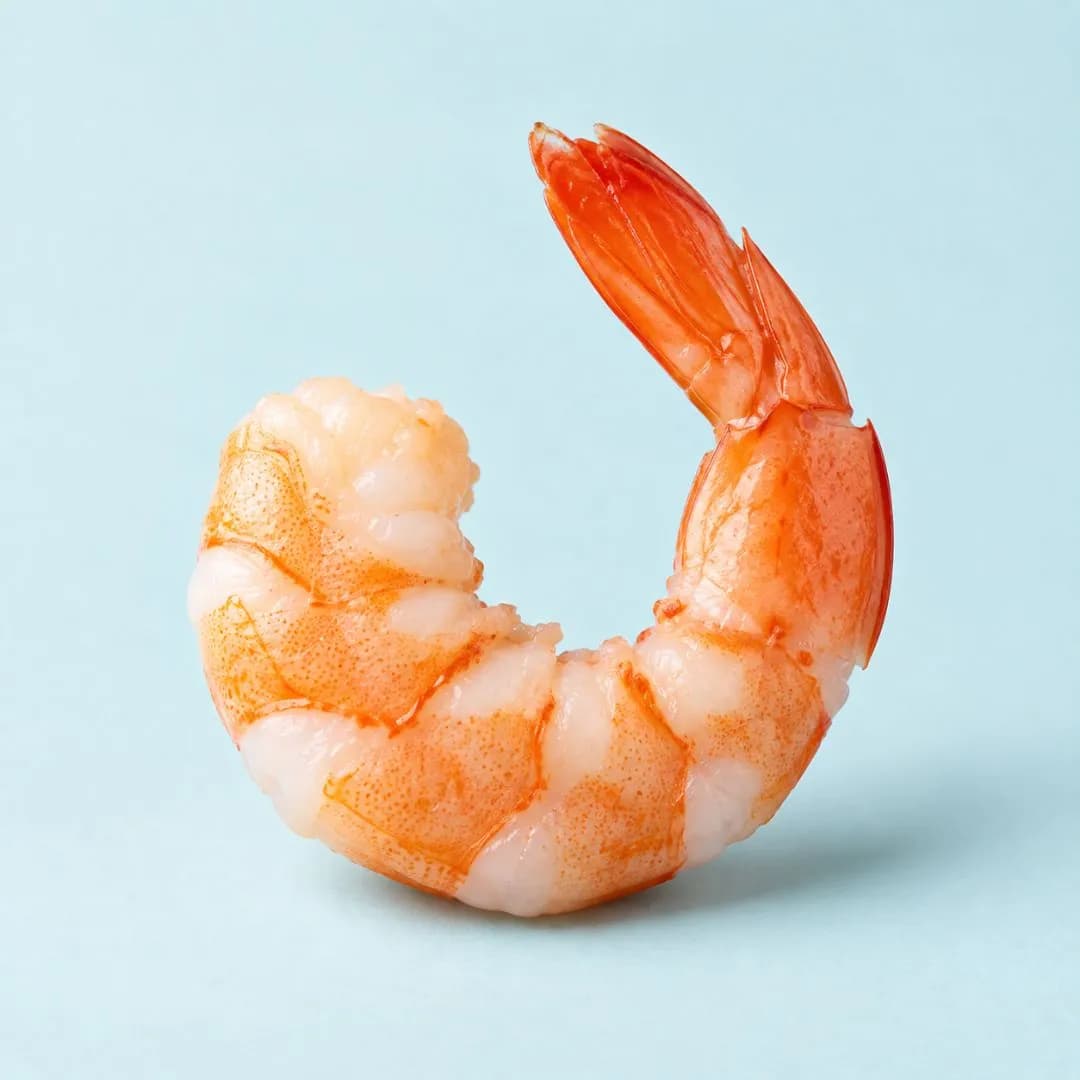
Shrimp Nutrition for Babies
Key vitamins and minerals in Shrimp for your baby's development stage.
supports muscle development and repair
promotes brain development and function
Daily Value (%) for Infants
* Percentage of Recommended Daily Intake (RDI) for infants 7-12 months.
Full Nutrition Breakdown
The following nutrition information is for 100g of an Shrimp.Values may vary slightly depending on variety and ripeness.
Nutrition Facts
Serving Size: 100g (Shrimp)
Vitamins
Minerals
* Values are approximate per 100g and may vary based on ripeness and preparation.
Feeding Tips for Shrimp
Introduce shrimp after 12 months to minimize allergy risks.
Start with fully cooked, small pieces to ensure safety.
How to Store Shrimp
Food Tracker
Log your trials and track baby's reactions for this food.
Common Questions About Shrimp for Babies
Is shrimp safe for babies?
How should I prepare shrimp for my toddler?
What are the nutritional benefits of shrimp?
How can I tell if my child is allergic to shrimp?
Can babies eat shrimp under 12 months?
Is canned or frozen shrimp safe for babies?
How do I cut shrimp to prevent choking?
Complete Guide to Shrimp for Babies
Shrimp provides essential protein, iron, and brain-supporting omega-3 fatty acids, but requires careful preparation due to its firm, rubbery texture and high allergen potential. Here is how to safely serve shrimp to your toddler.
Shrimp can be introduced into a toddler's diet from around 12 months of age, typically during lunch or dinner. It is crucial to ensure the shrimp is fully cooked and cut into small, manageable pieces to make it easy for the child to handle and chew. Gradual introduction will help in monitoring any allergic reactions, which are common with shellfish.
Step-by-Step Allergy Safety Protocol
Shellfish (crustaceans) is one of the "Big 9" major food allergens. Follow these rules when serving shrimp for the first time:
Serve Early in the Day: Offer shrimp at breakfast or early lunch so you have a 2- to 3-hour window to observe your toddler before naptime or bedtime.
Start Very Small: Offer a pea-sized piece of thoroughly cooked shrimp on day one. Do not introduce any other new foods on the same day.
Watch for Reactions: Look for signs of an allergic reaction:
Mild to moderate: Hives, redness around the mouth, itchy skin, vomiting, or diarrhea.
Severe (Anaphylaxis): Swollen lips/tongue, wheezing, coughing, or difficulty breathing. Seek emergency medical care immediately if these occur.
For a balanced diet, shrimp should be offered 2-3 times a week as part of a meal. The portion size should be moderated, considering its high protein content and potential allergen risk. Parents are encouraged to mix shrimp with other soft vegetables or grains to create a more varied meal for their child.Shrimp is generally easy to digest, although it may cause gas in some children, especially if consumed in large quantities. Parents should watch for any signs of digestive discomfort and consult a pediatrician if concerns arise.
By 12 months, toddlers typically have the jaw strength and pincer grasp needed to manage thoroughly cooked, finely minced or shredded shellfish.
Preparation should evolve from purees at 12 months to minced or finely chopped shrimp by 24 months. This progression supports developing chewing skills and reduces choking hazards. As the child grows, introducing shrimp in different forms, like patties or small pieces, can help expand their taste palate and promote self-feeding. Always ensure shrimp is fresh and properly stored to maintain its nutritional benefits.
Foods Similar to Shrimp for Babies
Baby Recipes with Shrimp
Nutritious and easy-to-digest recipes using shrimp as a base.
Shrimp Puree
Blend cooked shrimp with broth to create a smooth puree for early eaters.
Shrimp and Veggie Mash
Mix mashed shrimp with soft-cooked vegetables for a nutritious meal.
Mini Shrimp Patties
Combine minced shrimp with breadcrumbs to form bite-sized patties.
Expert Guides for Your Journey
Step-by-step preparation guides to help you serve food safely at every stage.
The 100 First Foods Challenge
Introducing a wide variety of 100 foods before baby peaks at age one can significantly reduce picky eating. Track your progress with us!