Sweet Potato for Babies - Benefits, When to Start & How to Serve
Ipomoea batatas
Sweet potatoes are a nutritious root vegetable known for their sweet taste and vibrant orange color. They are rich in fiber, vitamins, and minerals, making them an excellent choice for infants and toddlers. Learn Benefits, Safety & How to Serve Sweet Potato to Babies
When Can Babies Eat Sweet Potato? - Introducing Sweet Potato to Your Baby
Sweet Potatoes are a nutritious first food for babies, typically introduced around 6 months. They provide key nutrients like fiber, vitamin a, potassium that support energy boost and digestion support. This complete guide covers when and how to introduce Sweet Potato, along with safe preparation methods and serving ideas. It can also be served as soft, graspable pieces, making it suitable for baby-led weaning (BLW) when prepared safely.
When to Serve Sweet Potato to Babies
Most pediatricians recommend starting solids around 6 months of age. Sweet Potato is a fantastic choice to start at 6-months because of its energy-boost, digestion-support.
Introduce one new food at a time and wait 3-5 days between each new food to easily spot potential allergies.
Safety & Allergy Information
Sweet Potato is generally considered a low choking-risk food when properly prepared for your child's age. It is typically recommended to start from 6-months.
Food Characteristics
Safety & Allergy Information
Essential guidelines for safely introducing Sweet Potato to your baby.
Ensure sweet potato is cooked thoroughly to soften.
Avoid adding sugar or salt for infants under 12 months.
Always monitor your baby while feeding new foods for any signs of discomfort.
Evolution of Serving Sweet Potato
Safe preparation methods based on your baby's developmental stage.
smooth Texture
Serving Ideas
- Pureed sweet potato with breast milk or formula.
- Mix with carrot puree for added flavor.
Preparation Tips
- Steam and blend until smooth.
- Ensure no lumps remain for easy swallowing.
How to Serve Sweet Potato for Baby-Led Weaning (BLW)
Sweet potato becomes very soft when steamed or roasted, making it easy for babies to gum and hold in finger-sized pieces. It is nutrient-dense and low choking risk when prepared properly.. It can be introduced as BLW food starting 6-months.
Benefits of Sweet Potato for Babies
Introducing Sweet Potato into your baby's diet provides a natural source of essential nutrients. Sweet Potato are an excellent nutritional source of fiber, vitamin-a, potassium.
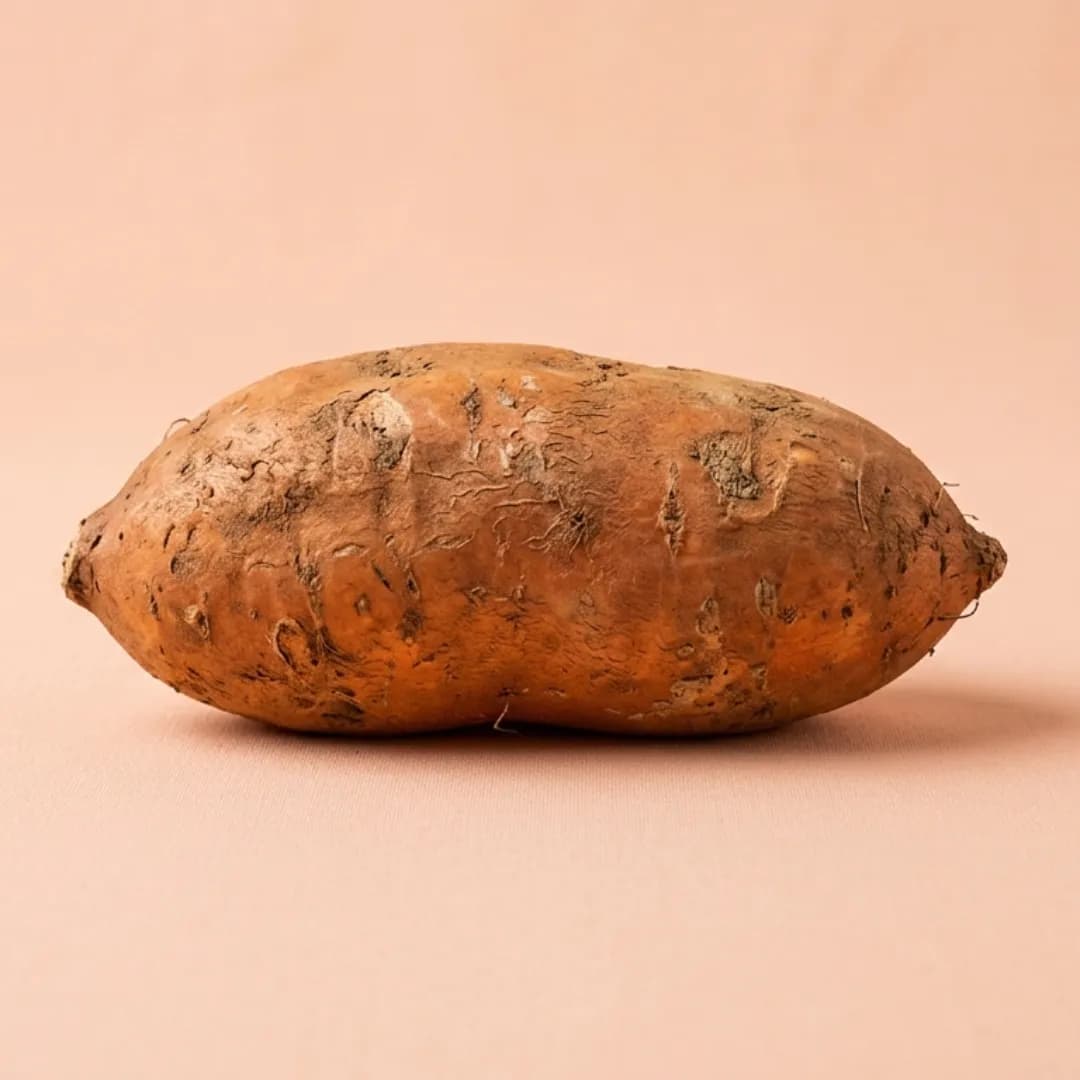
Sweet Potato Nutrition for Babies
Key vitamins and minerals in Sweet Potato for your baby's development stage.
promotes healthy digestion and prevents constipation
supports vision development and immune function
Daily Value (%) for Infants
* Percentage of Recommended Daily Intake (RDI) for infants 7-12 months.
Full Nutrition Breakdown
The following nutrition information is for 100g of an Sweet Potato.Values may vary slightly depending on variety and ripeness.
Nutrition Facts
Serving Size: 100g (Sweet Potato)
Vitamins
Minerals
* Values are approximate per 100g and may vary based on ripeness and preparation.
Feeding Tips for Sweet Potato
Introduce sweet potatoes as a first food due to their mild taste.
Gradually increase portion size as your baby grows.
Combine with other vegetables for variety.
How to Store Sweet Potato
Food Tracker
Log your trials and track baby's reactions for this food.
Common Questions About Sweet Potato for Babies
Can sweet potatoes cause allergies?
How should I store sweet potatoes?
Can I add spices to sweet potatoes for my baby?
Are sweet potatoes good for digestion?
Are sweet potatoes good for babies?
Can my baby eat sweet potato every day?
Does sweet potato help with constipation?
Complete Guide to Sweet Potato for Babies
Can Baby Eat Sweet Potato Everyday? Benefits, Safety, Recipes & Complete Feeding Guide
Sweet potatoes are one of the best first foods you can offer your little one. Naturally sweet, easy to digest, and packed with nutrients, they're a favorite among parents and babies alike. But plenty of questions come up: Can baby eat sweet potato everyday? Does sweet potato cause constipation in babies? Is sweet potato good for a 6-month-old? How do I cook it safely? This complete guide answers all of these and more.
Is Sweet Potato Good for Babies?
Yes, sweet potatoes are an excellent choice for a baby's diet. Their naturally sweet taste makes them appealing to developing palates, while their soft, smooth texture once cooked makes them ideal for early eaters. They can be served in the morning or as an evening snack and provide a natural energy boost, making them ideal for active babies and toddlers. When cooked properly to a soft texture and cut to suit your baby's age, sweet potato also carries a relatively low choking risk compared with many other foods.
Sweet Potato Benefits for Babies
Sweet potatoes pack an impressive nutritional punch for a growing baby. They're a strong source of beta-carotene, which the body converts into vitamin A to support healthy eyes, immunity, and brain development. They also deliver vitamin C for immune support, along with trace minerals like copper and manganese that play a role in iron metabolism, bone strength, and energy production. On top of that, they contribute B vitamins, potassium, and a useful dose of fiber.
In short, the main benefits include:
- Rich in Vitamin A (beta-carotene): Supports healthy vision, immune function, and skin.
- High in fiber: Aids digestion and helps maintain regular bowel movements.
- Natural energy source: Complex carbohydrates fuel active, growing bodies.- Vitamin C: Boosts immunity and helps the body absorb iron.
- Easy to digest: Gentle on a baby's developing tummy when properly cooked.- Naturally sweet: No need to add sugar, helping establish healthy taste preferences.
Does Sweet Potato Have Iron for Babies?
Sweet potatoes contain a modest amount of iron, but they aren't a high-iron food on their own. However, they're rich in vitamin C, which significantly improves your baby's ability to absorb iron from other foods. To boost iron intake, pair sweet potato with iron-rich foods like lentils, beans, or iron-fortified cereals. This combination helps your baby absorb more iron than they would from either food alone.
When Can Babies Eat Sweet Potato?
You can offer sweet potato as soon as your baby is ready to begin solids, which is typically around the six-month mark and signaled by cues like sitting up well and showing interest in food. Its gentle flavor and naturally soft, mashable flesh are part of why it's so often recommended as one of baby's very first foods.Is Sweet Potato Good for a 6-Month-Old Baby?Absolutely. Sweet potato is one of the most recommended first foods for babies starting solids around 6 months. Begin with a smooth puree, ensuring there are no lumps that could pose a choking risk. Because it's gently sweet, it also works well for easing in stronger-tasting vegetables - blending it with something more bitter can help your baby accept flavors they might otherwise refuse.
Can Baby Eat Sweet Potato Everyday?
While sweet potatoes are nutritious, variety is key to a balanced diet. Feeding sweet potatoes 2-3 times a week is generally ideal, allowing room for other vegetables, fruits, proteins, and grains. Eating large amounts of sweet potato daily can occasionally cause a harmless yellowish-orange tint to the skin (from beta-carotene), which fades when intake is reduced. Start with small portions and gradually increase as your baby grows.
Does Sweet Potato Cause Constipation in Babies?
Generally, no - sweet potatoes are rich in fiber, which actually aids digestion and helps prevent constipation. However, every baby is different. The most common mild reaction is some gas or bloating as the digestive system adjusts, which is why it helps to introduce sweet potato slowly. If you notice any discomfort, reduce the portion size and observe how your baby responds. Offering plenty of fluids alongside fiber-rich foods also supports healthy digestion.
Can Babies Be Allergic to Sweet Potato?
True sweet potato allergies are uncommon, but there are a couple of things worth knowing. While most babies tolerate sweet potato without any problem, a genuine allergy is possible - keep an eye out for reactions such as vomiting, a rash, or diarrhea.
Sweet potato is also one of the foods that can trigger FPIES (food protein-induced enterocolitis syndrome), a rare reaction in which symptoms show up on a delay, often a couple of hours after eating rather than right away. The telltale signs are intense, repeated vomiting or persistent watery diarrhea, and they warrant a call to your pediatrician without delay.
As with any new food, introduce sweet potato on its own for a few days before combining it with other new foods, so you can easily spot any reaction.
How to Cook Sweet Potato for Baby
The good news is that sweet potatoes are simple to prepare, and the cooking method affects both nutrition and flavor.
- Steaming: A great choice for holding onto nutrients, since the flesh has minimal contact with water and cooks fairly quickly. Peel, slice, and steam for roughly 15-20 minutes until fork-tender.
- Baking/Roasting: This method concentrates the natural sugars for a sweeter result. Scrub the skin, prick it a few times with a fork, rub it lightly with oil, and roast in a hot oven until the inside is completely soft.
- Boiling: Quick and easy; peel, cube, and boil until soft, though some nutrients leach into the water.
Whichever method you choose, cook until the flesh is soft enough to mash easily between your fingers.
How to Serve Sweet Potato by Age
Adapting the texture to your baby's developmental stage keeps mealtimes safe and enjoyable:
- Around 6 months: Begin with a smooth, lump-free puree. Thin it with a little water, breast milk, or formula to reach the right consistency.
- 7-9 months: Introduce a lumpier texture by mashing with a fork.
- By 12 months: Offer soft-solid pieces as finger foods to encourage self-feeding. Always ensure pieces are soft enough to prevent choking.
- By 18 months: Introduce baked sweet potato fries for a firmer texture and a fun, hands-on eating experience.
Sweet Potato for Baby-Led Weaning (BLW)
Sweet potato is a star first food for baby-led weaning because you can easily shape it to match your baby's grip. In the early months, larger pieces actually work better: babies around six to eight months haven't developed the fine motor control to manage small bits, so a long piece roughly the size of an adult finger gives them something to hold onto while they gnaw the end.
A practical method is to slice the sweet potato lengthwise into wedges about an inch thick (or thinner sticks), then cook them until soft - leaving the skin on a wedge can actually make it easier for little hands to grip. Once your baby develops a pincer grasp, usually around nine to ten months, you can switch to smaller, bite-size pieces.
How to Store Sweet Potato Baby Food
Sweet potatoes store well, which makes them great for batch cooking. Keep whole, uncooked sweet potatoes somewhere cool, dark, and dry, and aim to use them within about a week. Once cooked, sweet potato or puree keeps in an airtight container in the fridge for three to five days. For longer storage, freeze the puree or cooked pieces, where they'll stay good for a month or two - handy for getting ahead on meal prep.
Sweet Potato Safety Tips for Babies
- Always cook sweet potatoes thoroughly until soft.
- Avoid adding salt or sugar to preserve their natural flavor and nutritional value.
- Introduce on its own for a few days and watch for any signs of intolerance or allergy.
- Ensure the texture matches your baby's age and chewing ability.
- Cut finger foods into appropriately sized, soft pieces to reduce choking risk.
- Wash and peel thoroughly, since dirt left on the skin can occasionally cause an upset tummy.


Baby Recipes with Sweet Potato
Nutritious and easy-to-digest recipes using sweet potato as a base.
Sweet Potato Puree
A smooth and creamy puree perfect for introducing sweet potatoes to your baby.
Sweet Potato and Pea Mash
A nutritious mash combining sweet potatoes and peas for a textured meal.
Baked Sweet Potato Fries
Soft baked sweet potato fries, ideal for toddlers to practice self-feeding.
Expert Guides for Your Journey
Step-by-step preparation guides to help you serve food safely at every stage.
The 100 First Foods Challenge
Introducing a wide variety of 100 foods before baby peaks at age one can significantly reduce picky eating. Track your progress with us!