Yam for Babies
Dioscorea
Yams are starchy tubers rich in carbohydrates, fiber, and essential nutrients. They are a staple food in many cultures and provide a good source of energy. Learn Benefits, Safety & How to Serve Yam to Babies
When Can Babies Eat Yam? - Introducing Yam to Your Baby
Yams are a nutritious first food for babies, typically introduced around 6 months. They provide key nutrients like fiber, potassium, vitamin c that support energy boost and digestion support. This complete guide covers when and how to introduce Yam, along with safe preparation methods and serving ideas.
When to Serve Yam to Babies
Most pediatricians recommend starting solids around 6 months of age. Yam is a fantastic choice to start at 6-months because of its energy-boost, digestion-support.
Introduce one new food at a time and wait 3-5 days between each new food to easily spot potential allergies.
Safety & Allergy Information
Yam is generally considered a low choking-risk food when properly prepared for your child's age. It is typically recommended to start from 6-months.
Food Characteristics
Safety & Allergy Information
Essential guidelines for safely introducing Yam to your baby.
Always ensure yams are thoroughly cooked before serving.
Monitor for any digestion issues when introducing.
Always monitor your baby while feeding new foods for any signs of discomfort.
Evolution of Serving Yam
Safe preparation methods based on your baby's developmental stage.
smooth Texture
Serving Ideas
- Yam puree
- Mixed with breast milk
Preparation Tips
- Steam and puree until smooth.
- Mix with a bit of breast milk for added nutrition.
Benefits of Yam for Babies
Introducing Yam into your baby's diet provides a natural source of essential nutrients. Yam are an excellent nutritional source of fiber, potassium, vitamin-c.
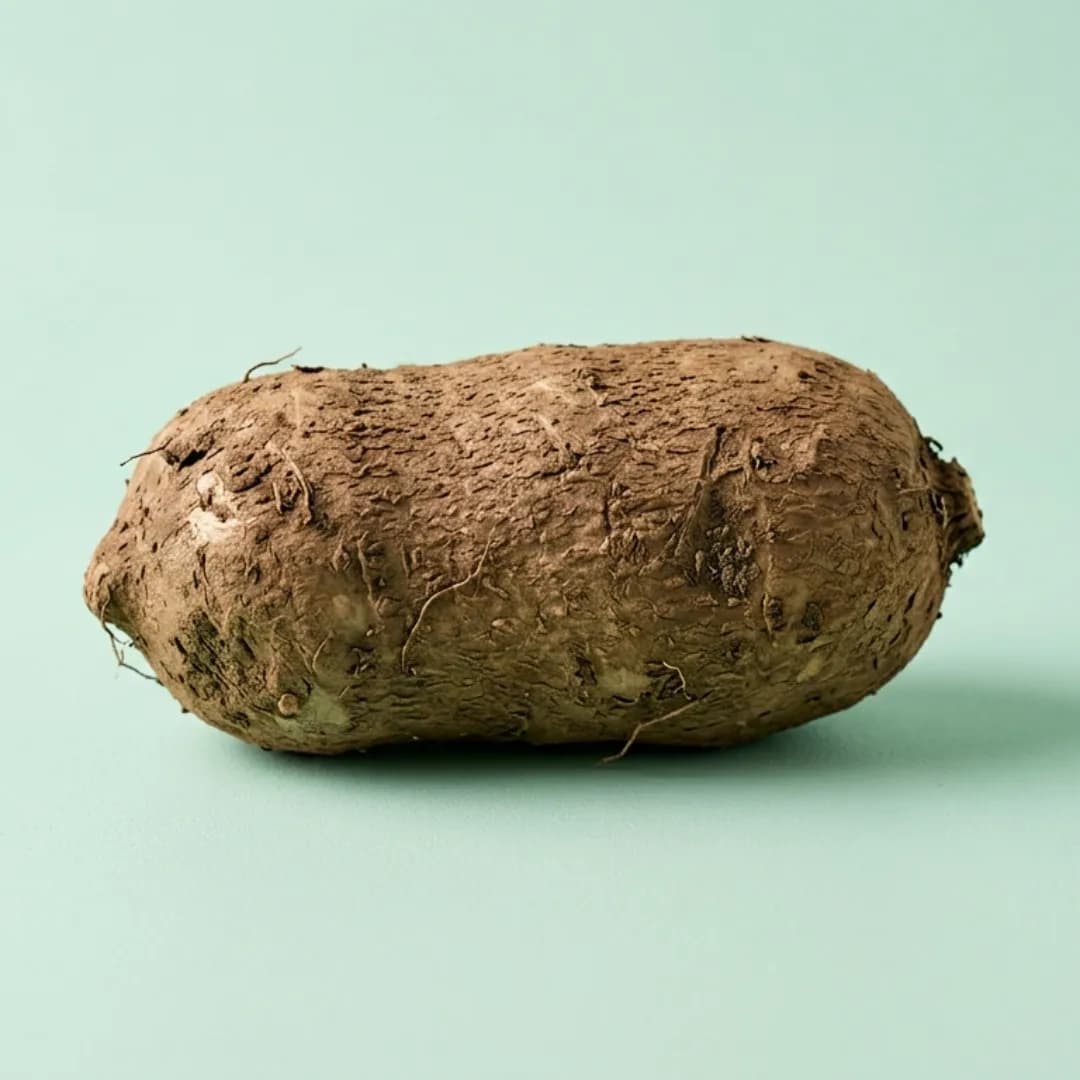
Yam Nutrition for Babies
Key vitamins and minerals in Yam for your baby's development stage.
promotes healthy digestion and prevents constipation
supports heart function and muscle contraction
enhances iron absorption and immunity
Daily Value (%) for Infants
* Percentage of Recommended Daily Intake (RDI) for infants 7-12 months.
Full Nutrition Breakdown
The following nutrition information is for 100g of an Yam.Values may vary slightly depending on variety and ripeness.
Nutrition Facts
Serving Size: 100g (Yam)
Vitamins
Minerals
* Values are approximate per 100g and may vary based on ripeness and preparation.
Feeding Tips for Yam
Introduce yams as a puree initially for easy digestion.
Gradually increase texture as your baby grows.
How to Store Yam
Food Tracker
Log your trials and track baby's reactions for this food.
Common Questions About Yam for Babies
Can yams cause gas in babies?
Are yams suitable for babies with allergies?
How should yams be stored?
When can I introduce yams to my baby?
Complete Guide to Yam for Babies
Yams are large, underground tubers produced by various species of herbaceous vines in the genus Dioscorea. Yams are best fed to your child in the morning or as an evening meal. Their energy-rich content makes them a perfect start to the day, and they can provide a comforting meal before bedtime. Ensure to serve them at a consistent time to establish a feeding routine. It is advisable to feed yams to your baby 2-3 times a week as part of a varied diet. Begin with small portions, gradually increasing as your child gets accustomed to the taste and texture. Aim for a balanced mix with other vegetables and grains to ensure all nutritional needs are met. Yams are beneficial for digestion due to their high fiber content, which helps prevent constipation. However, they may cause gas in some infants, so it's important to monitor your baby's response and adjust portion sizes accordingly.
Introduce yams slowly and alongside familiar foods to gauge any digestive reactions. For infants starting at 6 months, yams should be prepared as a smooth puree, ensuring no lumps pose a choking hazard. As your child grows, progress to mashing yams at 9 months, then to soft-solid pieces by 12 to 18 months. By 24 months, yams can be served as firm baked slices. Always cook yams thoroughly to soften their fibrous texture, ensuring they are safe and easy for your child to consume.
Foods Similar to Yam for Babies
Baby Recipes with Yam
Nutritious and easy-to-digest recipes using yam as a base.
Yam Puree
A smooth and creamy yam puree perfect for infants starting on solids.
Lumpy Yam Mash
A nutritious mash with a slightly lumpy texture for older babies.
Baked Yam Sticks
Healthy finger food option made with baked yam sticks for toddlers.
Expert Guides for Your Journey
Step-by-step preparation guides to help you serve food safely at every stage.
The 100 First Foods Challenge
Introducing a wide variety of 100 foods before baby peaks at age one can significantly reduce picky eating. Track your progress with us!