Cow, Goat, Sheep, Camel, or Buffalo? The Best Milk for Kids
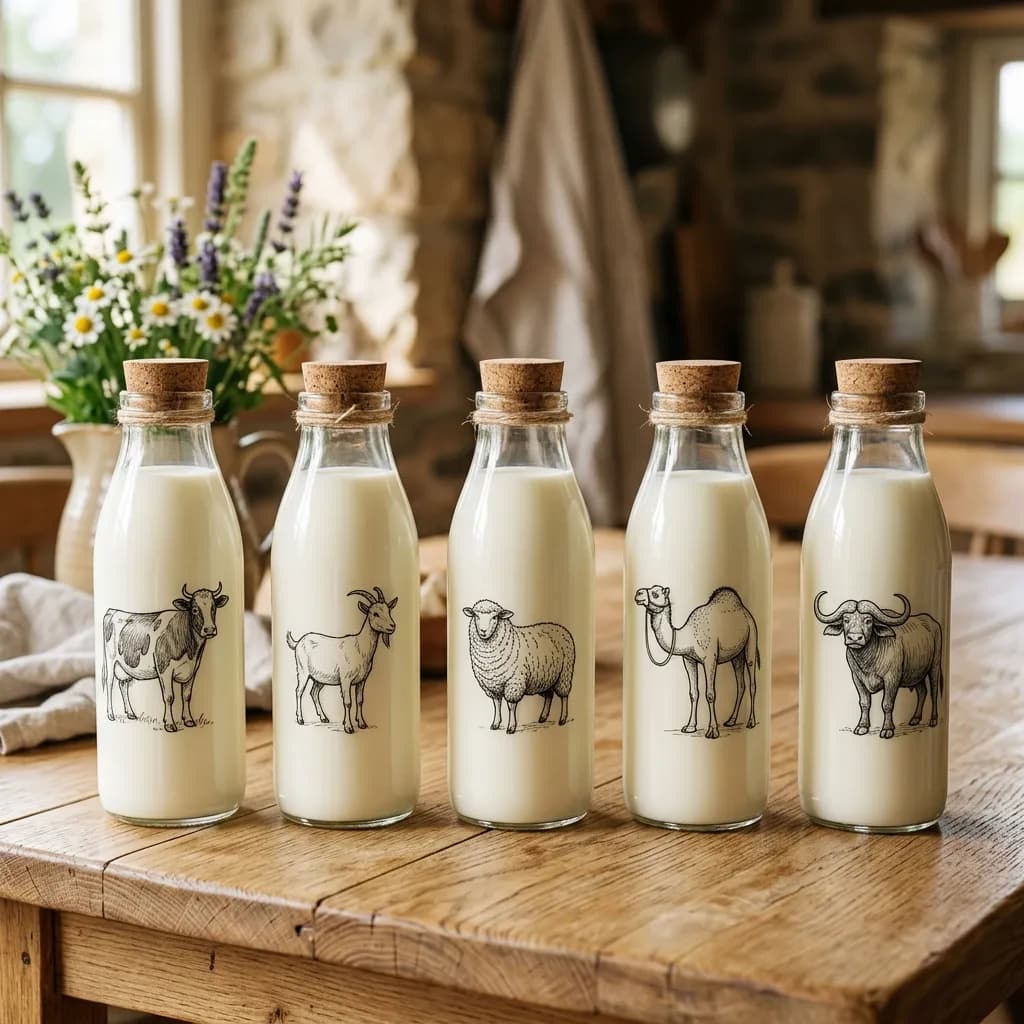
Walk into any modern grocery aisle and you'll find far more than just plain cow's milk. Goat, sheep, camel, and even buffalo milk are all making their way onto shelves, marketed for better digestion, stronger immunity, or 'ancient nutrition.' For parents trying to do right by their children, the options can feel overwhelming. Which milk truly supports kids' growth? Which is gentlest on tiny tummies? And does the trendiest option always mean the healthiest one?
Critical Note for Parents
Infants under 12 months should never be given animal milk as a main drink. They need breast milk or properly formulated infant formula. The comparisons below are intended for toddlers (12 months and up) and older children.
Why Milk Matters for Growing Children
Milk is one of the most nutrient-dense single foods in a child's diet. A standard cup typically delivers high-quality protein, calcium, phosphorus, vitamin B12, riboflavin, and when fortified - vitamin D. These nutrients are critical for building strong bones, supporting brain development, and fueling growth.
Milk is not magic. Children can grow up perfectly healthy without dairy if they get equivalent nutrients from other foods. Most pediatric guidelines recommend limiting milk to 16-24 ounces (480-700 ml) per day for toddlers.
of a child's calcium needs can be met with just 2 cups of milk.
Detailed Profiles
Each animal milk has a unique nutritional fingerprint. Select a type below to explore its benefits and considerations.
Cow's Milk
The Familiar Standard

Cow's milk is the most widely consumed and affordable option globally and remains the default pediatric recommendation once a child crosses the one-year mark.
Calories
~150
Protein
8g
Fat
8g
Calcium
~300mg
Key Benefits
- Reliable and widely available
- Decades of safety and growth data
- Routine vitamin D fortification
Watch For
- Cow's milk protein allergy (CMPA) risk (2-3%)
- Lactose intolerance is common globally
- Some react to A1 beta-casein protein
Expert Tip
"For toddlers 12-24 months, whole cow's milk is preferred for brain development."
Quick Comparison: Which Milk Wins on What?
Age-Appropriate Guide
0-12 months
None
Only breastmilk/formula
12-24 months
Cow / Buffalo
Whole fat essential
2-5 years
Cow / Goat / Buffalo
Adjust fat based on growth
5+ years
Any
Balance with varied diet
Common Parent Mistakes
Giving too much milk
Excessive milk can lead to iron deficiency anemia in toddlers.
Replacing meals with milk
Milk should supplement, not replace, nutrient-dense solid foods.
Choosing raw milk
Raw milk carries high risks of Listeria and E. coli for children.
Assuming A2 = Allergy Safe
A2 milk still contains cow's milk protein and is not safe for CMPA.
Ignoring Vitamin D
Many alternative milks are not fortified; check labels carefully.
Signs Your Child Should Switch Milk
Every child is different. If you notice these persistent symptoms, it may be time to consult your pediatrician about a change.
Side-by-Side Comparison
A comprehensive look at the nutritional and practical data for 1 cup (~240ml).
| Parameter | Cow Milk | Goat Milk | Sheep Milk | Camel Milk | Buffalo Milk |
|---|---|---|---|---|---|
| Calories | ~150 | ~170 | ~265 | ~110 | ~240 |
| Protein | 8g | ~9g | ~15g | ~8g | ~9g |
| Fat | 8g | ~10g | ~17g | ~5g | ~17g |
| Calcium | ~300mg | ~330mg | ~470mg | ~290mg | ~410mg |
| Lactose | Medium | Slightly lower | Medium | Lower | Medium |
| Digestibility | Moderate | Easy | Moderate | Easy | Heavy |
| Allergy Risk | Medium | Medium (cross-reactive) | High | Lower (not zero) | High |
| Vitamin C | Low | Low | Low | High | Low |
| Folate (B9) | Good | ❌ Low | Good | Moderate | Good |
| Taste | Mild | Slightly tangy | Strong | Slightly salty | Creamy |
| Availability | ⭐⭐⭐⭐⭐ | ⭐⭐⭐ | ⭐ | ⭐ | ⭐⭐⭐⭐ |
| Cost | Low | Medium | High | Very High | Medium |
| Best For | Everyday use | Sensitive digestion | Nutrition boost | Allergy cases | Weight gain |
Final Verdict
For most healthy children with no allergies, whole cow's milk remains the simplest and most thoroughly studied option. Buffalo milk is an excellent choice for children needing extra calories, while goat's milk is ideal for mild sensitivities.
Ultimately, the best milk is the one that fits your child's body, your traditions, and your budget while supporting a balanced diet.
Smart Parenting Starts Here.
Log your baby's growth, track milk intake, and get personalized nutrition guidance with TheParentZ app.
Get the Free App* This article is for general informational purposes and does not replace personalized medical or nutritional advice. Always consult a qualified healthcare provider regarding your child's diet.