Beetroot for Babies
Beta vulgaris
Beetroot is a nutrient-rich root vegetable known for its vibrant color and earthy taste. It's a good source of iron, vitamin C, and fiber, making it an excellent choice for supporting a baby's immunity and digestion. Learn Benefits, Safety & How to Serve Beetroot to Babies
When Can Babies Eat Beetroot? - Introducing Beetroot to Your Baby
Beetroot is a nutritious first food for babies, typically introduced around 6 months. They provide key nutrients like iron, vitamin c, fiber that support immunity boost and digestion support. This complete guide covers when and how to introduce Beetroot, along with safe preparation methods and serving ideas. It can also be served as soft, graspable pieces, making it suitable for baby-led weaning (BLW) when prepared safely.
When to Serve Beetroot to Babies
Most pediatricians recommend starting solids around 6 months of age. Beetroot is a fantastic choice to start at 6-months because of its immunity-boost, digestion-support.
Introduce one new food at a time and wait 3-5 days between each new food to easily spot potential allergies.
Safety & Allergy Information
Beetroot is generally considered a low choking-risk food when properly prepared for your child's age. It is typically recommended to start from 6-months.
Food Characteristics
Safety & Allergy Information
Essential guidelines for safely introducing Beetroot to your baby.
Ensure beetroot is cooked until soft to avoid choking risk.
Introduce gradually to monitor digestive tolerance.
Always monitor your baby while feeding new foods for any signs of discomfort.
Evolution of Serving Beetroot
Safe preparation methods based on your baby's developmental stage.
smooth Texture
Serving Ideas
- Pureed beetroot mixed with carrot puree.
- Beetroot puree with a dash of apple for sweetness.
Preparation Tips
- Peel and steam until soft, then blend to a smooth puree.
- Ensure no chunks remain for easy swallowing.
How to Serve Beetroot for Baby-Led Weaning (BLW)
Beetroot is soft and can be easily mashed or cut into finger-sized strips for safe self-feeding.. It can be introduced as BLW food starting 6-months.
Benefits of Beetroot for Babies
Introducing Beetroot into your baby's diet provides a natural source of essential nutrients. Beetroot are an excellent nutritional source of iron, vitamin-c, fiber.
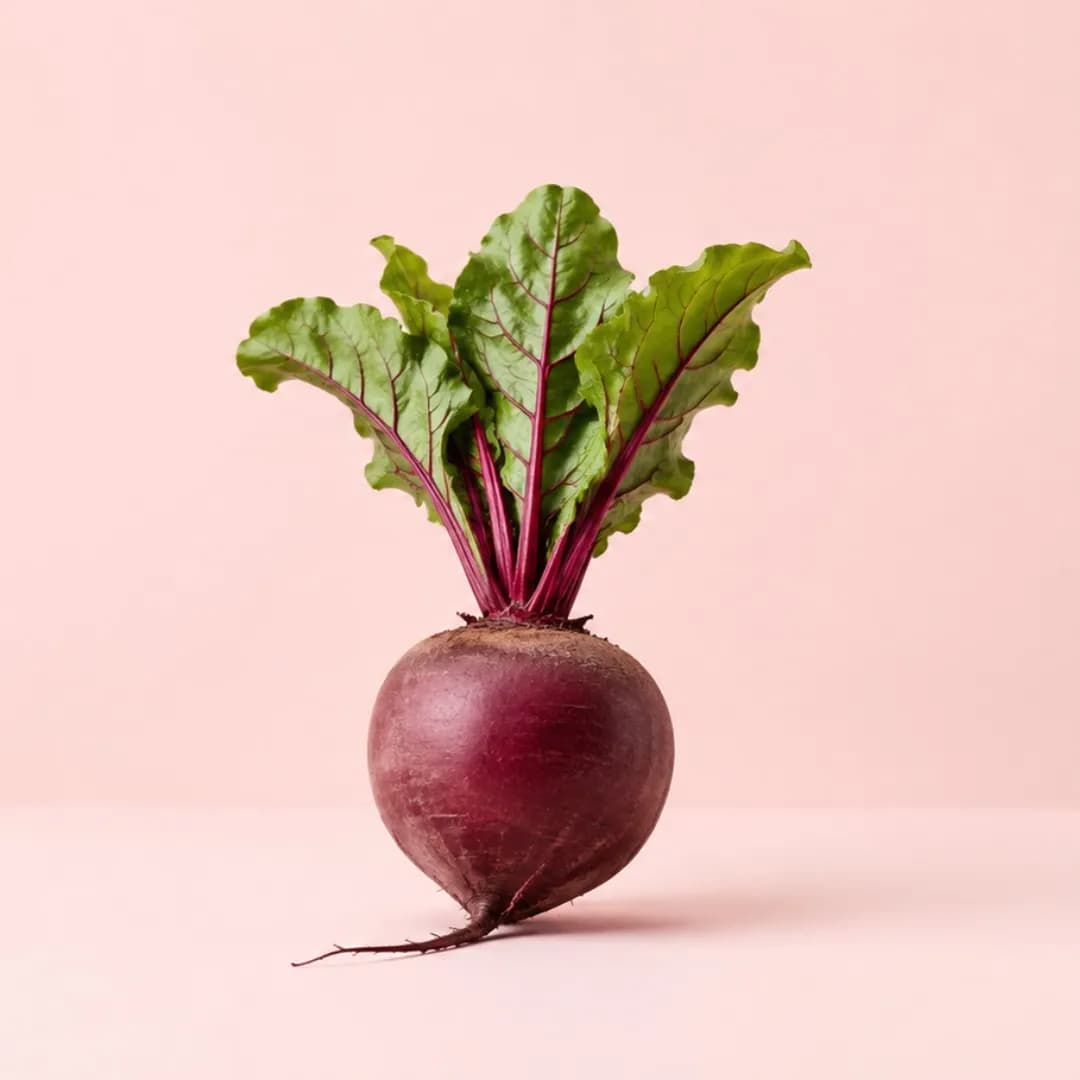
Beetroot Nutrition for Babies
Key vitamins and minerals in Beetroot for your baby's development stage.
supports oxygen transport and prevents anemia
enhances iron absorption and immunity
Daily Value (%) for Infants
* Percentage of Recommended Daily Intake (RDI) for infants 7-12 months.
Full Nutrition Breakdown
The following nutrition information is for 100g of an Beetroot.Values may vary slightly depending on variety and ripeness.
Nutrition Facts
Serving Size: 100g (Beetroot)
Vitamins
Minerals
* Values are approximate per 100g and may vary based on ripeness and preparation.
Feeding Tips for Beetroot
Introduce beetroot in a pureed form initially.
Combine with other vegetables to enhance taste and nutrition.
Start with small quantities to prevent digestive upset.
How to Store Beetroot
Food Tracker
Log your trials and track baby's reactions for this food.
Common Questions About Beetroot for Babies
Can beetroot cause any allergic reactions?
Is beetroot beneficial for my baby’s health?
How should I store leftover beetroot puree?
When can I introduce beetroot to my baby?
Complete Guide to Beetroot for Babies
Beetroot is a versatile vegetable that can be introduced to your baby's diet as early as six months. It's best served in the morning or as a snack due to its natural sugars, providing a steady energy boost without causing sugar spikes. Offering beetroot puree in the evening can also be beneficial, as its iron content supports healthy sleeping patterns.
Feed beetroot to your baby two to three times a week. Begin by serving small portions, such as a few tablespoons of puree, and gradually increase the quantity as tolerance builds. Beetroot pairs well with other root vegetables, making it a great addition to various baby meals.
Beetroot is generally easy to digest when cooked properly, but some babies might experience mild gas due to its fiber content. To minimize this, introduce beetroot alongside low-fiber foods and avoid overfeeding. Parents should observe their baby's reactions and adjust servings accordingly.
Start with a smooth puree for babies around six months, progressing to a mash by nine months. As your baby grows, you can offer soft-solid beetroot pieces at twelve months and firmer textures by eighteen to twenty-four months. Ensure beetroot is thoroughly cooked and cut into safe shapes to reduce choking risk, adapting portion sizes as your child's feeding skills develop.
Foods Similar to Beetroot for Babies

Baby Recipes with Beetroot
Nutritious and easy-to-digest recipes using beetroot as a base.
Beetroot Puree
A smooth beetroot puree, perfect for introducing beets to young babies.
Beetroot Mash with Potato
A nutritious mash combining beetroot and potato for older infants.
Baked Beetroot Wedges
Baked beetroot wedges that are soft and easy for toddlers to enjoy.
Expert Guides for Your Journey
Step-by-step preparation guides to help you serve food safely at every stage.
The 100 First Foods Challenge
Introducing a wide variety of 100 foods before baby peaks at age one can significantly reduce picky eating. Track your progress with us!