Squash for Babies
Cucurbita pepo
Squash is a versatile vegetable, mild in flavor, making it a popular choice for baby food. It's rich in fiber and vitamin C, supporting digestive health and immunity. Learn Benefits, Safety & How to Serve Squash to Babies
When Can Babies Eat Squash? - Introducing Squash to Your Baby
Squash is a nutritious first food for babies, typically introduced around 6 months. They provide key nutrients like fiber, vitamin c, potassium that support digestion support. This complete guide covers when and how to introduce Squash, along with safe preparation methods and serving ideas. It can also be served as soft, graspable pieces, making it suitable for baby-led weaning (BLW) when prepared safely.
When to Serve Squash to Babies
Most pediatricians recommend starting solids around 6 months of age. Squash is a fantastic choice to start at 6-months because of its digestion-support.
Introduce one new food at a time and wait 3-5 days between each new food to easily spot potential allergies.
Safety & Allergy Information
Squash is generally considered a low choking-risk food when properly prepared for your child's age. It is typically recommended to start from 6-months.
Food Characteristics
Safety & Allergy Information
Essential guidelines for safely introducing Squash to your baby.
Ensure squash is cooked thoroughly to avoid choking.
Introduce in small amounts and observe for reactions.
Always monitor your baby while feeding new foods for any signs of discomfort.
Evolution of Serving Squash
Safe preparation methods based on your baby's developmental stage.
smooth Texture
Serving Ideas
- Puree squash with a little breast milk.
- Mix squash puree with mashed potatoes.
Preparation Tips
- Peel, steam, and blend squash until smooth.
- Ensure no lumps remain to suit this age group.
How to Serve Squash for Baby-Led Weaning (BLW)
Can be offered steamed and cut into soft finger-sized strips to reduce choking risk.. It can be introduced as BLW food starting 6-months.
Benefits of Squash for Babies
Introducing Squash into your baby's diet provides a natural source of essential nutrients. Squash are an excellent nutritional source of fiber, vitamin-c, potassium.
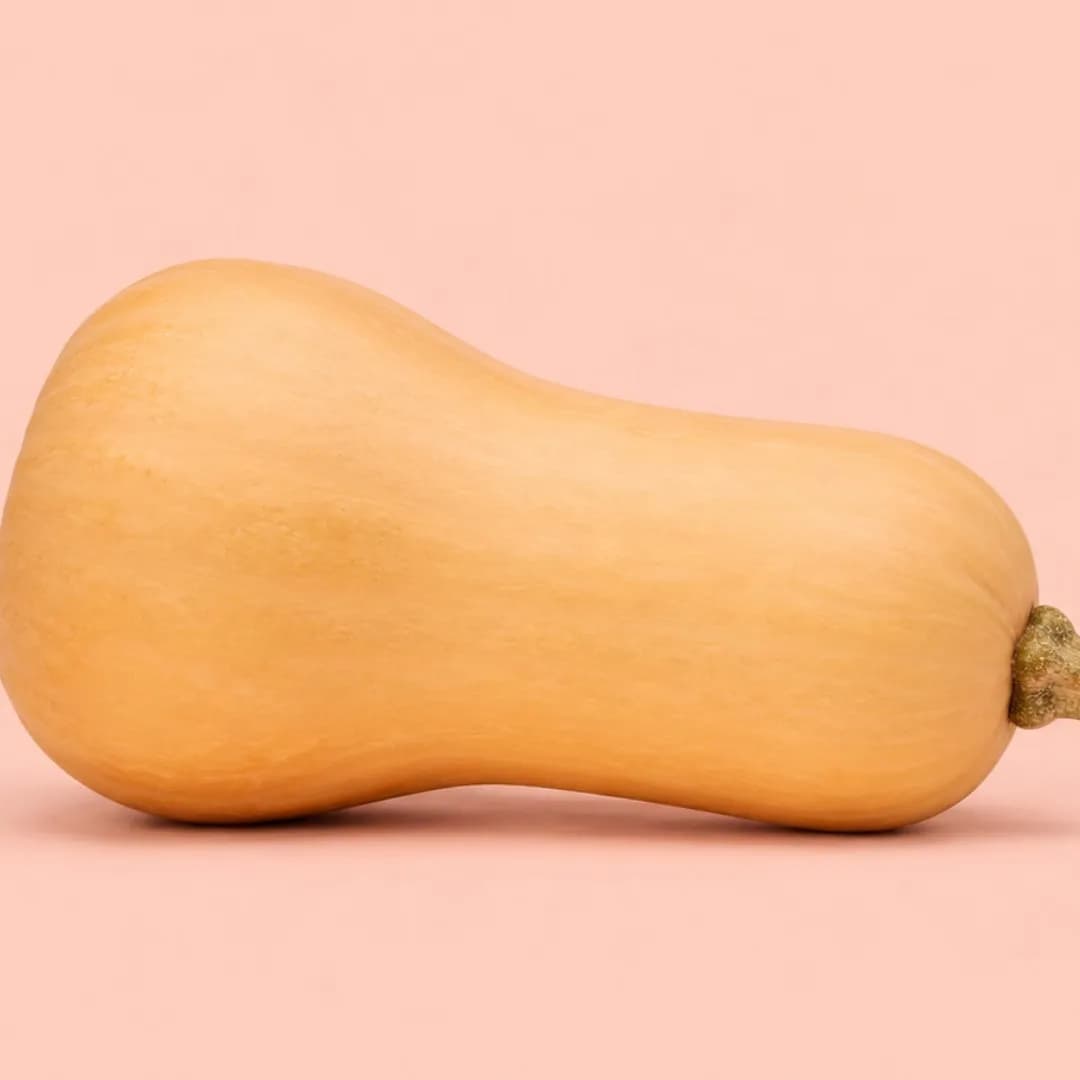
Squash Nutrition for Babies
Key vitamins and minerals in Squash for your baby's development stage.
promotes healthy digestion and prevents constipation
enhances iron absorption and boosts immunity
Daily Value (%) for Infants
* Percentage of Recommended Daily Intake (RDI) for infants 7-12 months.
Full Nutrition Breakdown
The following nutrition information is for 100g of an Squash.Values may vary slightly depending on variety and ripeness.
Nutrition Facts
Serving Size: 100g (Squash)
Vitamins
Minerals
* Values are approximate per 100g and may vary based on ripeness and preparation.
Feeding Tips for Squash
Introduce squash in small portions to monitor tolerance.
Pair with other vegetables for a balanced meal.
How to Store Squash
Food Tracker
Log your trials and track baby's reactions for this food.
Common Questions About Squash for Babies
Can squash cause allergies in babies?
What is the best way to prepare squash for a 6-month-old?
How can I store leftover squash puree?
Can I mix squash with other foods?
Complete Guide to Squash for Babies
Squash is an excellent choice for introducing solids to your baby. You can serve it in the morning or evening when your baby is most receptive to new foods. Initially, you might want to offer it as a smooth puree in small portions to gauge your baby's acceptance. As your baby grows, you can increase the frequency to 3-4 times a week, blending with other vegetables or grains to provide a balanced diet. Squash is easy-to-digest and may aid in healthy bowel movements, thanks to its fiber content. However, overconsumption might lead to mild digestive discomfort, so moderation is key.
As your baby progresses from 6 to 24 months, the preparation of squash should evolve from smooth purees to more textured mashes and eventually soft solids. By 12 months, small bite-sized pieces can be introduced, ensuring they're soft and easy to chew. Always supervise your baby during feeding to prevent choking, and make sure the squash is cooked until tender. This gradual progression in texture not only helps in developing your baby's chewing skills but also makes feeding a safe and enjoyable experience.
Foods Similar to Squash for Babies
Baby Recipes with Squash
Nutritious and easy-to-digest recipes using squash as a base.
Squash Puree
A smooth squash puree perfect for first-time feeders.
Squash and Carrot Mash
A lumpy mash combining squash and carrots for added nutrition.
Baked Squash Fingers
Soft baked squash fingers ideal for toddlers practicing self-feeding.
Expert Guides for Your Journey
Step-by-step preparation guides to help you serve food safely at every stage.
The 100 First Foods Challenge
Introducing a wide variety of 100 foods before baby peaks at age one can significantly reduce picky eating. Track your progress with us!