Flu Vaccine for Kids in India Before Winter: Who Needs It, When and How Often?
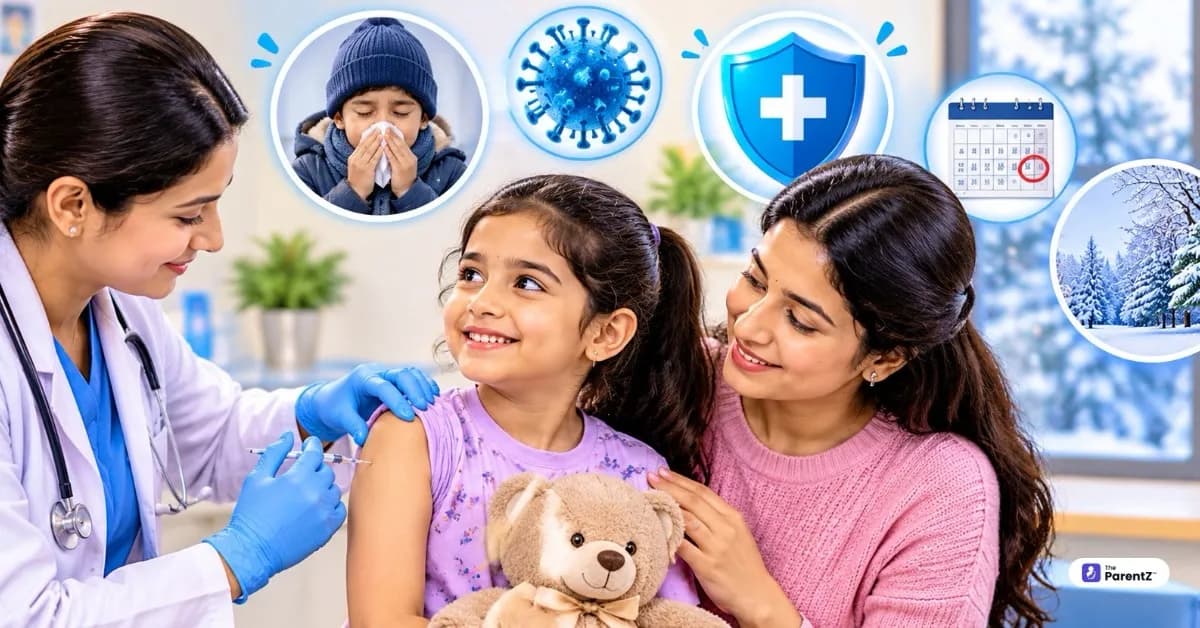
"Flu shot lagwana chahiye?"
This is one question that we, as parents, either end up asking, or wondering or simply typing into ChatGPT. Winter is coming and we can almost picture the every-year struggle of dealing with cough and cold. At this stage, it is natural that you might be considering getting your child a flu vaccine. Maybe because your kids get ill with a cold frequently, or they have recently started attending school/daycare and seem to be catching all the bugs going around. Or, your child’s paediatrician may have mentioned the flu vaccine, and you now may not be sure if it is necessary.
This is a very common question. Many parents may be aware of the flu vaccine in winter, but may be unsure who should have it, when they should have it and if it needs to be given every year.
The IAP-ACVIP 2025 recommendations, published online in April 2026 in Indian Pediatrics, advise influenza vaccination for children from 6 months of age. It is particularly important for children with certain medical conditions that increase their risk of serious complications from influenza.
Let’s begin by understanding who should have a flu vaccine and how often.
What Is the Flu Vaccine and Why Do Children Need It?
Influenza (flu) is a contagious respiratory infection caused by influenza viruses. It can cause symptoms such as fever, cough, sore throat, aches, headaches and fatigue. Some children may be able to recover at home, but others may develop complications and require hospitalisation.
While colds and flu can present with similar symptoms, flu can cause much more serious illness. This is particularly the case in young children and children with certain medical conditions.
Young children are considered to be in a high-risk group for developing complications from influenza. Giving children a flu vaccine helps their bodies build immunity to the strains of influenza that are expected to circulate during the season.
Although the flu vaccine does not protect against all colds, coughs and respiratory infections, it can protect children from influenza. If your child develops influenza despite having had a flu vaccine, it can help reduce the risk of serious complications.
How is flu different from a common cold?
Feature | Flu | Common cold |
|---|---|---|
Onset | Usually sudden | Usually gradual |
Fever | Common, can be high | Less common; usually low grade if present |
Body aches | Common and can be marked | Mild or absent |
Fatigue | Common and can last several days | Mild |
Cough | Common | Common |
Runny/stuffy nose | Can occur | Very common |
Complications | Can include pneumonia, dehydration, worsening of asthma, and hospitalisation | Usually mild; serious complications are uncommon |
Note: These are general differences and should not be used to diagnose an infection. As many viruses can cause similar respiratory symptoms, it is best to seek advice from a doctor.
Which Children Need the Flu Vaccine?
According to the IAP Advisory Committee on Vaccines and Immunization Practices (ACVIP) Recommended Immunization Schedule (2025), published in Indian Pediatrics in April 2026, influenza vaccination should be given to children from 6 months of age.
The IAP recommends annual vaccination for all children under 5 years of age. Children in high-risk groups for complications from influenza should continue to have the vaccine annually, up to the age of 18 and beyond.
Therefore, children who do not get ill very often may still need a flu vaccine.
Children who should be prioritised
Children with certain medical conditions are more likely to develop serious complications if they catch influenza. These include children with:
Respiratory conditions (such as asthma).
Heart conditions.
Diabetes or certain metabolic conditions.
Kidney or liver conditions.
Blood conditions (such as sickle cell disease).
Cancer or conditions affecting the immune system.
Certain neurological or neurodevelopmental conditions (such as cerebral palsy and epilepsy).
Conditions requiring treatment that suppresses their immune system.
These high-risk conditions match the groups prioritised by both IAP-ACVIP and international guidance for annual vaccination beyond 5 years of age.
If your child has any of these conditions, speak to their paediatrician to determine if they should have an annual flu vaccine. Your child’s diagnosis, treatment and vaccination history should be considered.
At What Age Can a Child Get the Flu Vaccine?
Children can be given the inactivated influenza vaccine (IIV) from 6 months of age.
The dosage for children aged 6 months and above is a uniform 0.5 ml of inactivated influenza vaccine (IIV). Confirm the exact product available with your child’s paediatrician. From the 2025–2026 season onward, the IAP-ACVIP recommends replacing quadrivalent influenza vaccines with trivalent vaccines (A/H1N1, A/H3N2, B/Victoria) because the B/Yamagata lineage has shown no sustained community transmission since 2020.
If your child is over 6 months old and has never had a flu vaccine, they can still be given one. If they are starting influenza vaccination after 6 months of age, they should be given 2 doses, 4 weeks apart. Check with your paediatrician to see how many doses your child has had and what the appropriate schedule is for them.
How Often Should Children Get the Flu Vaccine?
Every year.
You may be wondering why children would need a flu vaccine every year. This is due to two reasons.
Immunity from the vaccine reduces over time. Furthermore, influenza viruses are constantly changing. Therefore, the composition of the flu vaccine is updated each year to match the strains expected to circulate.
If children are having the flu vaccine for the first time, they should be given 2 doses, 4 weeks apart. From this point, children should be given annual vaccines depending on their age and risk group.
Examples:
A 7-month-old receiving the flu vaccine for the first time should be given the 2-dose primary course as advised by the paediatrician.
A 3-year-old who has had the appropriate initial doses should be given an annual dose.
A 9-year-old with asthma should be discussed with their paediatrician. Children in high-risk groups should be given annual flu vaccines beyond 5 years of age.
Child’s situation | IAP-ACVIP recommendation |
|---|---|
First influenza vaccination, aged 6 months to under 9 years | Two doses of inactivated influenza vaccine (IIV), each 0.5 ml, given 4 weeks apart |
Previously vaccinated child, aged 6 months to under 5 years | One annual dose |
Children up to 5 years of age | Annual influenza vaccination |
Children aged 5 years and above with high-risk medical conditions | Annual influenza vaccination through 18 years and beyond |
Recommended vaccine type | Trivalent inactivated influenza vaccine (IIV), covering A/H1N1, A/H3N2 and B/Victoria |
Note: Children receiving their first influenza vaccination need two doses, 4 weeks apart. The appropriate schedule should be confirmed with the child's paediatrician based on age and previous vaccination history.
When Should You Get the Flu Vaccine in India?
This can be a trickier question to answer.
Influenza tends to occur in different seasons in different parts of India. In some parts of India, it occurs in higher numbers during the monsoon. In other parts, it occurs in higher numbers in winter or during the late monsoon.
The IAP recommends that children should be given the flu vaccine after 6 months of age, usually during the pre-monsoon period. However, if it is outside this period, children should be given the most recent formulation available.
A 2025 systematic review and meta-analysis found differences in seasonal influenza activity across different areas of India. Winter peaks were seen in northern areas such as Jammu and Kashmir. Monsoon peaks were seen in cities such as Delhi, Lucknow and Kolkata. Late-monsoon peaks were seen in cities such as Chennai and Vellore.
Should you wait until December to get your child's flu shot?
Not necessarily. It is best to check with your paediatrician to see what vaccine formulation is available and what the best time to give it to your child is in your area. If you are reading this in November, it is still worth speaking to your paediatrician.
Is the Flu Vaccine Safe for Children?
It is natural to be concerned about side effects.
As the inactivated flu vaccine is not live, children cannot get influenza from this vaccine. It helps children develop immunity to influenza.
Mild side effects may occur in some children. These can include:
Pain, redness or swelling at the injection site.
Mild fever.
Headaches.
Muscle aches and/or fatigue.
These side effects usually last for a short time. Severe allergic reactions are rare. However, flu vaccines should always be given in a setting where medical help is available.
If your child has had a severe allergic reaction to any flu vaccine in the past or to any component of the vaccine, inform your paediatrician before giving another dose.
If your child has a mild cold or low-grade fever, they can usually still be given the vaccine. However, if they have a moderate or severe illness, they may need to wait until they have recovered. Please consult your paediatrician to see if it is suitable to give them the vaccine.
Can a Child With an Egg Allergy Get the Flu Vaccine?
Yes, children can have the flu vaccine even if they have an egg allergy.
According to the American Academy of Pediatrics recommendations for the 2025–2026 and 2026–2027 seasons, children with egg allergies, including those who have experienced anaphylaxis, can be given an age-appropriate flu vaccine.
However, please make sure to inform your paediatrician of any allergies your child has and whether they have had any reactions to vaccines in the past. An egg allergy does not require a special flu vaccine or extra precautions beyond normal procedures.
Does the Flu Vaccine Prevent All Colds and Fever?
No.
Even if your child has a flu vaccine, they may still get colds, RSV, COVID-19 or other respiratory infections. These are caused by different viruses.
The flu vaccine only protects against influenza viruses. It cannot provide complete protection against all viral infections that cause fevers, coughs and runny noses.
Even if your child has had a flu vaccine, it is still important to encourage good hygiene, covering coughs and sneezes, and avoiding close contact with people who are ill.
What Should You Ask Your Paediatrician Before the Flu Shot?
Do not worry about working out the vaccination schedule yourself. Bring your child’s vaccination records and ask your paediatrician:
Is my child old enough to receive a flu vaccine?
Has my child received any flu vaccines in the past?
How many doses should my child have this year?
What formulation is currently recommended and available?
When should my child next have an annual flu vaccine?
Are there any extra precautions needed based on my child’s medical history?
If your child has asthma, diabetes, a heart condition or an immune-related condition, please mention the medicines and treatments they are currently receiving.
This will allow the paediatrician to recommend the correct vaccine and schedule for your child.
Make a note of when your child was vaccinated, the name and formulation of the vaccine, and how many doses they had. This will help your paediatrician plan the next annual dose.
Frequently Asked Questions
1. Is It Mandatory for Children in India to Have a Flu Vaccine?
The flu vaccine is not included in the standard routine childhood vaccination schedule under the Universal Immunisation Programme (UIP). However, the Indian Academy of Pediatrics recommends that all children under 5 years of age should have an annual flu vaccine. Beyond this age, children in high-risk groups for complications should continue to have an annual flu vaccine. This is a recommendation from the Indian Academy of Pediatrics for childhood vaccination and is separate from the routine UIP schedule.
2. Can 1-Year-Olds Have a Flu Vaccine?
Yes. The inactivated flu vaccine can be given to children from 6 months of age. If given for the first time, children should be given 2 doses, 4 weeks apart. After this, children should have annual vaccinations.
3. Can My Child Have Other Vaccines at the Same Time as the Flu Vaccine?
If appropriate, children can be given other routine vaccines at the same time as the flu vaccine. However, check with your paediatrician to make sure that the products, injection sites and vaccination schedule are suitable for administration at the same time.
4. What If My Child Misses Their Second Dose?
Do not worry. Simply check with your paediatrician and give them a copy of your child’s vaccination records. They can advise you on when to give the missed dose.
5. Can Children With a Cold Have a Flu Vaccine?
If your child has a mild cold or low-grade fever, they can have the vaccine. However, if they have a moderate or severe illness, your paediatrician may advise that they wait until they have recovered.
6. Can Children Still Get the Flu After Having the Vaccine?
Yes. While it does not provide complete protection, it can help reduce the risk of developing serious illness from influenza.
7. Should My Child Have a Flu Vaccine Every Year, Even If They Didn't Get Ill Last Year?
Yes. Children in the age and risk groups recommended by the IAP should be given an annual flu vaccine. Even if your child did not get ill last year, they may be exposed to influenza this year.
Conclusion
It is completely understandable to have questions about giving your child a new vaccine. You may be unsure whether it is necessary, whether it is safe or whether your child needs to have it.
However, you do not need to work this out on your own. Simply check your child’s vaccination records and have a chat with their paediatrician. The correct time and number of doses depend on your child’s age, vaccination history, medical conditions and the influenza activity in your area.
For more practical guidance on your child’s health, nutrition, growth and everyday parenting questions, visit TheParentZ. We are here to help you feel more informed and confident through every stage of your parenting journey.
Medical Information Note: This article is based on the Indian Academy of Pediatrics (IAP-ACVIP) immunisation recommendations and published guidance from recognised health organisations. It is intended for general information and does not replace individual medical advice. Consult your child’s paediatrician to confirm the appropriate vaccine, dose and timing based on your child’s medical history.
References
Indian Academy of Pediatrics (IAP), Advisory Committee on Vaccines and Immunization Practices (ACVIP). (2026). Recommended Immunization Schedule (2025) and Update on Immunization for Children Aged 0 Through 18 Years. Indian Pediatrics, 63, 311–324. Read the IAP-ACVIP recommendations.
American Academy of Pediatrics (AAP). (2026). Recommendations for Prevention and Control of Influenza in Children, 2026–2027: Policy Statement. Pediatrics. Read the recommendations.
Padhi, A., Bhatt, P., Chauhan, J., et al. (2025). Seasonality of Influenza and Optimizing Timing of Vaccination: Systematic Review and Meta-Analysis. Cureus, 17(9), e93607. Read the study.
World Health Organization (WHO). (2025). Recommended composition of influenza virus vaccines for use in the 2025–2026 northern hemisphere influenza season. Read the WHO recommendations.
More in this Category
Wedding Season With a Toddler: A Survival Guide for Indian Parents

Baby Gagging vs Choking: What Every Parent Must Know
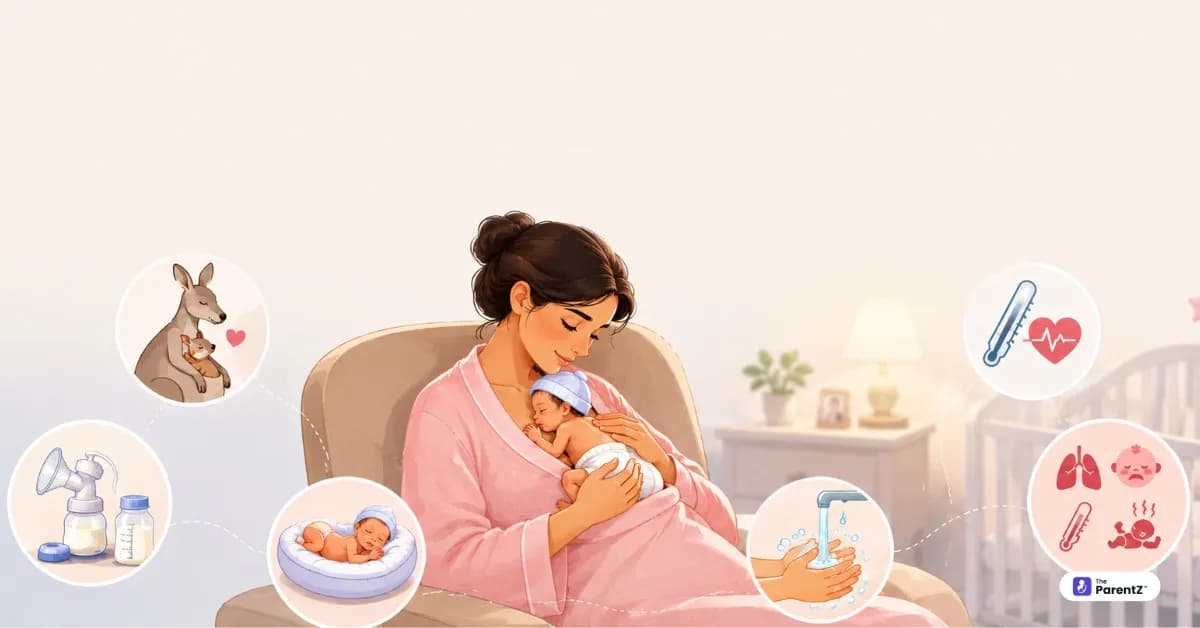
Premature Baby Care At Home: Kangaroo Care, Feeding and Red Flags
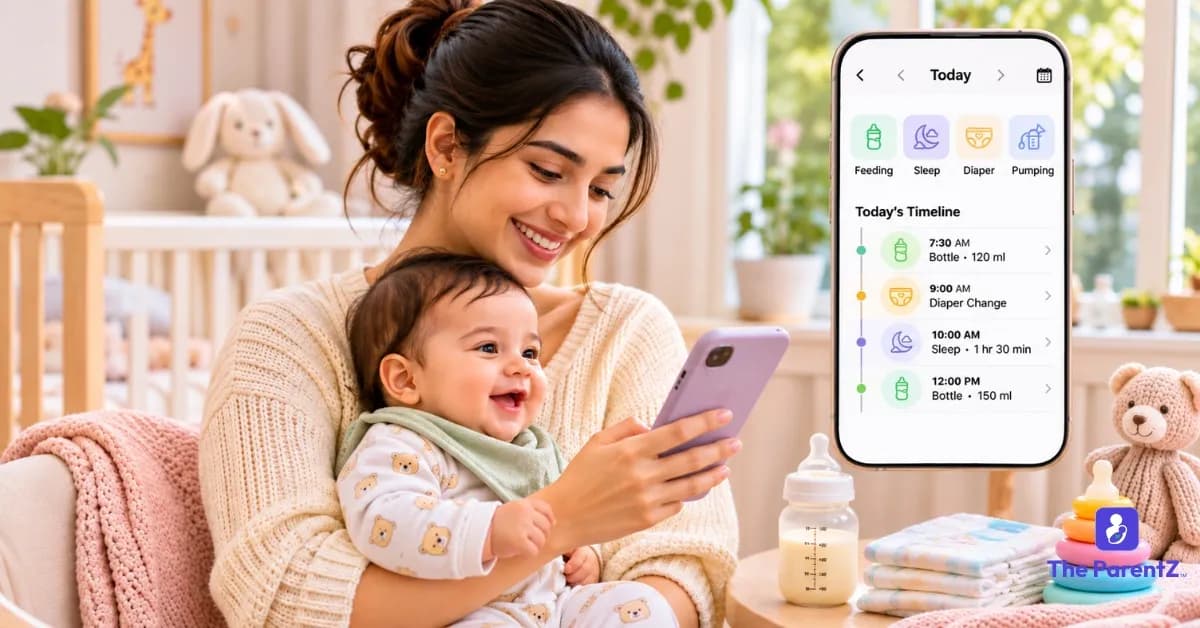
5 Ways Parents Can Track Breastfeeding, Bottles and Solids Without Using Separate Notes
Keeping track of breastfeeding, bottle feeds, and solid foods doesn't have to mean juggling multiple notebooks or apps. Discover five simple ways parents can organize all their baby's feeding records in one place, review daily feeding habits, and keep caregivers informed.
What to Do When Your Baby Is Refusing Food - A Complete Guide

10 Things You’ll Wish You Had Written Down Before Your Baby’s Next Doctor Visit
Preparing for your baby's doctor visit? Discover 10 important things to write down beforehand, including health changes, feeding habits, sleep patterns, diaper changes, medications, developmental milestones, and questions to ask the pediatrician.