What to Do When Your Baby Is Refusing Food - A Complete Guide
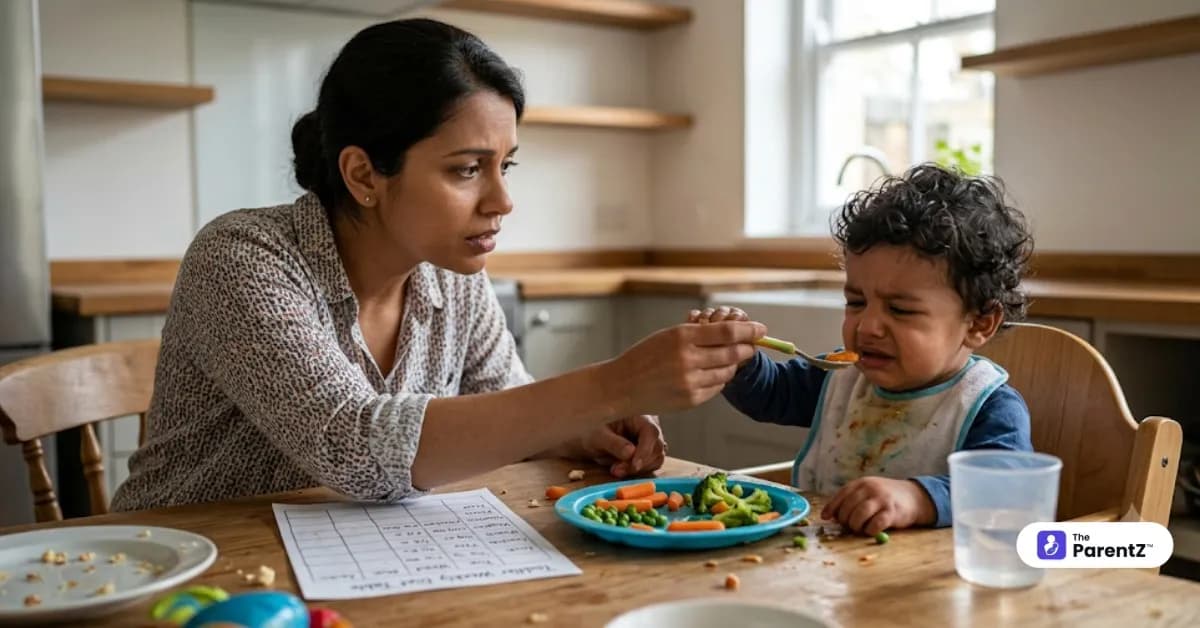
You’ve prepared a fresh bowl of khichdi. It smells wonderful. Your baby takes one look at it, turns their head away, and clamps their mouth shut.
Sound familiar?
This is especially common if your baby is suddenly refusing food or not eating solids but still drinking milk, both very frequent concerns among parents.
If your baby is refusing food, take a breath. You are not failing as a parent. Many babies go through phases when they eat less, turn away from new foods or refuse solids altogether. However, if your baby keeps refusing food, is not gaining weight properly or struggles to swallow, it is important to speak to a paediatrician.
This guide will walk you through exactly why your baby is behaving this way, what is normal at each age, and what you can do, step by step, to make mealtimes calmer and more successful.
Why is my baby refusing food? (Quick Checklist)
If your baby is suddenly avoiding solids, it is usually due to one of these common reasons:
Teething: Sore gums can make chewing uncomfortable and temporarily reduce interest in food.
Changing Appetite: Babies may eat more on some days and less on others as they grow.
Texture Sensitivity: Your baby may need more time to get used to thicker or lumpier foods.
Illness: A minor cold or ear infection reduces appetite.
Milk Feeds: A baby who has recently had a full milk feed may show less interest in solids.
Pressure: Anxiety or "forced feeding" creates a negative association.
In many cases, food refusal is temporary and may be linked to teething, changing appetite, unfamiliar textures or a minor illness. However, if your baby keeps refusing food or is not gaining weight properly, speak to your paediatrician.
Key Takeaways: What to Do When Baby Won’t Eat
What You Need to Know | Quick Answer |
|---|---|
Is baby food refusal normal? | Temporary changes in appetite and food preferences are common. |
Top reasons baby won’t eat | Teething, illness, unfamiliar textures and changing appetite. |
Best feeding approach | Follow your baby's hunger and fullness cues. Never force-feed. |
When to start solids | Around 6 months, when your baby shows signs of readiness. |
When to see a doctor | Poor weight gain, dehydration, persistent refusal or difficulty swallowing. |
Why Is My Baby Refusing Food? The Real Reasons
Before jumping to solutions, understanding the why is everything. Baby eating problems are rarely random. There is almost always a developmental or physical reason behind the behaviour.
1. Changing Appetite as Your Baby Grows
Your baby's appetite will not be the same every day. Some days they may finish their meal, while on other days they may eat only a few spoonfuls. This is quite common as babies grow and their eating habits change.
A baby who ate well at seven months may show less interest in food at nine months. Look at your baby's overall eating habits, energy levels and growth rather than worrying about one unfinished meal. If you notice a lasting change in appetite or poor weight gain, speak to your paediatrician.
2. Teething
Teething is one of the most common short-term causes of reduced appetite in babies. Sore gums can make chewing uncomfortable and may temporarily reduce your baby's interest in food. If your baby is drooling more than usual, chewing on everything, and showing irritability at mealtimes, teething is likely the culprit.
3. Texture and Sensory Sensitivity
When a baby won’t eat solids, texture is frequently the issue. Babies have highly sensitive oral systems. A sudden change from smooth purees to lumpy or mixed-texture foods can take some babies by surprise. They may need time to get used to different textures. Introduce new textures gradually and let your baby explore food at their own pace. If your baby consistently struggles with different textures, speak to your paediatrician.
4. Illness, Congestion, or Ear Infections
A stuffy nose can make feeding uncomfortable, while an ear infection may also affect your baby's interest in feeding. If your baby has recently had a cold or fever, their appetite may temporarily decrease. Continue offering feeds and speak to your paediatrician if the symptoms persist or your baby is not feeding well.
5. Bottle or Breast Preference
Some babies develop a strong preference for milk feeds and actively resist solid foods because milk is easier, familiar, and comforting. This can happen around six months when complementary foods are first introduced. Some babies prefer familiar milk feeds and need time to get used to new tastes, textures and ways of eating.
6. Pressure and Negative Mealtime Experiences
This one is important. When parents, out of genuine love and worry, become anxious at mealtimes, offer too many spoons, or use distraction (like screens or songs) to sneak in bites, babies quickly associate feeding with stress. Over time, repeated pressure can make mealtimes stressful and cause a baby to resist being offered food.
7. Too Much Milk Reducing Appetite
Milk remains an important part of your baby's diet after six months. However, babies also need complementary foods to get the additional nutrients required for healthy growth.
If your baby regularly refuses solids after drinking milk, they may simply be too full when mealtime arrives. Try offering food when your baby is alert and showing signs of hunger.
Do not suddenly reduce breastfeeds or change formula quantities to make your baby eat more solids. Speak to your paediatrician if you are unsure about your baby's milk intake.
Age-by-Age Guide: What’s Normal and What to Do
Food Refusal by Age: Quick Reference Table
Baby's Age | Common Feeding Challenge | What to Do |
|---|---|---|
Before 6 months | Not ready for complementary foods | Continue exclusive breastfeeding or appropriate formula feeding. Start solids around six months when readiness signs are present. |
6–8 months | Unfamiliar tastes and textures | Start with thick, mashed foods. Slowly introduce different tastes and textures. |
8–12 months | Learning to handle different textures | Offer soft, safely prepared finger foods and encourage self-feeding under supervision. |
12–18 months | Changing appetite and food preferences | Offer different family foods and let your toddler decide how much to eat. |
18–24 months | Reluctance to try unfamiliar foods | Keep offering different foods without pressure. Give your toddler time to explore new tastes. |
What to Do When Your Baby Refuses Food: Step-by-Step
This is a practical, pressure-free approach that feeding therapists and the Indian Academy of Pediatrics both recommend: Responsive Feeding. This means following your baby’s hunger and fullness cues. Never forcing.
Step 1: Check Timing and Hunger Cues
Is your baby hungry when you offer food? If your baby is tired, upset or has just had a full milk feed, they may not be interested in solids.
Choose a time when your baby is alert, comfortable and showing signs of hunger. If your baby has just had a large milk feed, wait until they show interest in food. There is no need to follow a fixed 30–45-minute rule. Watch your baby's cues instead.
Step 2: Create a Calm, Distraction-Free Environment
Keep mealtimes calm and free from television and mobile phone distractions. Sit with your baby, make eye contact and talk to them while they eat. Respond to their hunger and fullness cues instead of distracting them into taking more bites.
Step 3: Start Familiar Before New
When introducing new foods to a picky-eating baby, always pair the unfamiliar with something your baby already accepts. For example:
Mix a small amount of moong dal into rice porridge before transitioning fully to dal khichdi
Blend roasted ragi into a familiar banana puree before making it standalone
Add mashed carrot or lauki into a texture they already tolerate
This can make unfamiliar foods easier for your baby to explore.
Step 4: Reintroduce Without Pressure: Consistency Matters
If your baby rejects a food, calmly remove it but don’t avoid it for too long. You can reintroduce the same food again the next day or within a few days, as long as there is no pressure to eat it.
Some babies need to see, touch or taste a new food several times before they become comfortable with it. There is no fixed number of attempts that works for every baby. Keep offering small amounts without pressure, even if your baby rejects the food initially. The key is consistency without force.
Step 5: Let Them Touch and Explore
Especially for babies with food aversion or sensory sensitivity, allowing them to touch, smear, and play with food before eating it significantly increases acceptance. This is not mess. This is learning.
Step 6: Eat Together as a Family
Babies are hardwired to imitate. When they watch you eat ragi porridge, banana, or dal rice with enjoyment, they receive a powerful social signal that this food is safe. Family mealtimes are one of the most underestimated tools for how to feed a fussy baby.
What NOT to Do When Your Baby Refuses Food
When a baby is not eating, it’s natural to try everything possible. But some common strategies can actually make feeding issues worse over time.
Avoid these mistakes:
❌ Forcing or pressuring your baby to eat
This can create long-term feeding aversion and anxiety around food.
❌ Using screens or distractions to “make them eat”
Babies may eat more temporarily, but it disconnects them from hunger cues.
❌ Offering constant snacks or milk instead of meals
This reduces appetite for structured meals and reinforces refusal patterns.
❌ Switching foods too quickly after refusal
This teaches babies that rejecting food leads to preferred alternatives.
❌ Turning mealtime into a negotiation or performance
Feeding should feel safe and predictable, not stressful or rushed.
The goal is not to make your baby eat more in one meal but to build a healthy, lifelong relationship with food.
Sample Feeding Routine (6-12 Months)
A regular feeding routine can help your baby become familiar with mealtimes. However, the number of solid meals should increase gradually as your baby grows.
For babies aged 6–8 months:
Morning: Breastmilk or formula feed
Mid-morning: Complementary food
Afternoon: Breastmilk or formula feed
Evening: Complementary food
Night: Breastmilk or formula feed as needed
For babies aged 9-12 months:
Offer 3-4 complementary meals during the day, along with breast milk or formula feeds. You can also introduce suitable snacks according to your baby's appetite and feeding needs.
These are example routines, not fixed schedules. Continue milk feeds according to your baby's needs and adjust meal timings based on hunger and fullness cues.
Indian Foods That Work Well When Babies Refuse Solids
If your baby refuses solids, you can start with familiar Indian foods such as khichdi, ragi porridge, mashed banana and dal. Prepare them in a soft consistency that is suitable for your baby's age.
Best Indian Foods to Try When Baby Won’t Eat
Food | Age to Introduce | Why It Works |
|---|---|---|
Thick moong dal puree | Around 6 months | Provides plant protein and other nutrients in a soft, mashed form. |
Thick rice porridge (kanji) | Around 6 months | Provides energy and can be prepared in a consistency your baby can manage. |
Soft mashed khichdi (rice + moong dal) | Around 6 months | Combines cereals and pulses and is easy to adjust as your baby learns to eat. |
Ragi porridge | Around 6 months | Provides calcium and other nutrients when prepared appropriately. |
Mashed banana | Around 6 months | Soft, easy to mash and simple to serve. |
Well-cooked suji porridge | Around 6 months | Provides energy and can be prepared with a suitable consistency. |
Combining cereals and pulses, such as rice and moong dal, gives babies a variety of nutrients through familiar Indian foods. Prepare these foods in a soft, thick consistency that your baby can manage comfortably. As your baby grows, gradually introduce more textures and food combinations.
You may also want to read our complete guide on best first foods for babies and how to start solid foods step-by-step for a structured feeding plan.
How Much Should a Baby Eat? (Realistic Expectations)
One of the biggest reasons parents feel their baby is not eating enough is unclear portion expectations.
The following amounts are broad examples of complementary feeding portions. Actual intake varies with your baby's appetite, development and feeding needs.
6-8 months: Start with 2–3 tablespoons of food and gradually increase towards half a cup per meal. Offer 2–3 meals a day.
9-11 months: Offer around half a cup per meal, 3–4 times a day.
12–23 months: Offer around three-fourths to one cup per meal, 3–4 times a day, along with 1–2 nutritious snacks when appropriate.
These are approximate amounts, not targets your baby must finish. Some days your baby may eat more, while on other days they may eat less. Pay attention to your baby's appetite and growth rather than the amount left in the bowl.
Red Flags: When to See a Doctor or Feeding Therapist
Temporary food refusal is common in babies. However, persistent feeding difficulties or signs of discomfort may need professional assessment.
Consult your paediatrician if:
Your baby is losing weight or not gaining weight as expected.
Your baby keeps refusing complementary foods despite repeated, gentle attempts.
They frequently cough, choke or struggle to swallow during meals.
They repeatedly vomit or seem to be in pain while feeding.
They have fewer wet nappies than usual or show other signs of dehydration.
They refuse breast milk or formula and are unable to maintain their usual milk intake.
Mealtimes regularly involve extreme distress or difficulty.
Seek prompt medical attention if your baby has breathing difficulties, signs of significant dehydration or cannot keep feeds down.
If feeding difficulties continue, your paediatrician may suggest an assessment by a feeding specialist. Depending on your baby's needs, this could include a speech-language pathologist or occupational therapist who has experience with infant feeding and swallowing problems.
6 Frequently Asked Questions About Baby Refusing Food
Why is my baby suddenly refusing food?
Sudden food refusal in babies can happen because of teething, a recent illness, unfamiliar textures or changes in their feeding routine. Sometimes, babies also become cautious after an uncomfortable feeding experience, such as gagging. Offer food patiently without forcing your baby to eat.
How do I increase my baby’s appetite naturally?
You cannot force a baby to feel hungry, but you can make mealtimes easier and more comfortable. Offer food when your baby is alert and showing signs of hunger. Follow a regular feeding routine and avoid offering solids immediately after a large milk feed. Let your baby decide how much to eat and stop when they show signs of fullness. If your baby regularly eats very little or is not gaining weight properly, speak to your paediatrician.
What foods should I try when my baby refuses everything?
Start with familiar, soft foods such as thick moong dal, well-cooked rice porridge, mashed banana or ragi porridge. Choose foods that are suitable for your baby's age and prepare them in a texture they can manage. Keep introducing different flavours and textures gradually, without pressuring your baby to eat.
Should I be worried if my baby refuses food for a few days?
A temporary drop in appetite can happen during teething, minor illnesses or changes in routine. If your baby is otherwise active, taking breast milk or formula and having their usual wet nappies, continue offering familiar foods without pressure. However, seek medical advice if your baby refuses milk feeds, has fewer wet nappies, seems unusually sleepy or shows other signs of illness. Do not wait if you are concerned about dehydration.
When should I take my baby to the doctor for feeding issues?
Speak to your paediatrician if your baby keeps refusing food, is not gaining weight properly, shows signs of dehydration or regularly coughs or chokes during feeds. You should also seek advice if your baby seems distressed or uncomfortable at most mealtimes. Do not wait for two weeks if you notice these warning signs. Your doctor can help identify the reason and suggest the right support.
Why is my baby not eating solids but drinking milk?
This can happen because breast milk or formula is familiar and easier for your baby to consume than newly introduced foods. Your baby may also be too full from milk feeds or may still be getting used to new tastes and textures. Offer solids when your baby is alert and showing signs of hunger. Continue breast milk or formula feeds as appropriate for their age. If your baby keeps refusing solids, discuss it with your paediatrician.
A Note to Every Parent
When your baby refuses food, it is natural to worry about whether they are getting enough nutrition. However, one unfinished meal does not mean your baby is not eating well overall.
Offer foods that are suitable for your baby's age, let them explore different textures and watch for signs that they are hungry or have had enough. Avoid force-feeding or turning every meal into a struggle.
If your baby keeps refusing food or you notice problems with weight gain, swallowing or hydration, speak to your paediatrician.
Building healthy eating habits takes time. Be patient, keep offering different foods and make mealtimes a happy experience for your little one.
This article is for general educational purposes and is based on established guidance for infant and young child feeding. It does not replace personalised medical advice, diagnosis or treatment. Every baby's nutritional needs are different. If your baby has ongoing feeding difficulties, poor weight gain or problems with swallowing, consult a qualified paediatrician.
More in this Category

10 Things You’ll Wish You Had Written Down Before Your Baby’s Next Doctor Visit
Preparing for your baby's doctor visit? Discover 10 important things to write down beforehand, including health changes, feeding habits, sleep patterns, diaper changes, medications, developmental milestones, and questions to ask the pediatrician.

11 Baby Details Parents Should Record Before They Forget Them
Babies grow and change quickly, and many precious moments can easily be forgotten. Discover 11 important baby details parents should record, including birth information, first smiles, first words, feeding habits, sleep patterns, growth measurements, and developmental milestones.

Children’s Day 2026: 10 Meaningful Ways to Make Every Child Feel Seen Beyond Fancy Dress

Child Cough After Diwali: Smoke Irritation or Infection?

AQI Safe for Kids in India: When to Keep Children Indoors (Simple Chart for Parents)

Baby Milestone Tracker App for New Parents: How to Track Milestones Effortlessly
Discover how a baby milestone tracker app can help new parents record important developmental milestones, track new skills, and keep a clear history of their baby's progress over time.