Baby Vaccination Schedule: A Parent-Friendly Guide From Birth Through Childhood
Key Takeaways
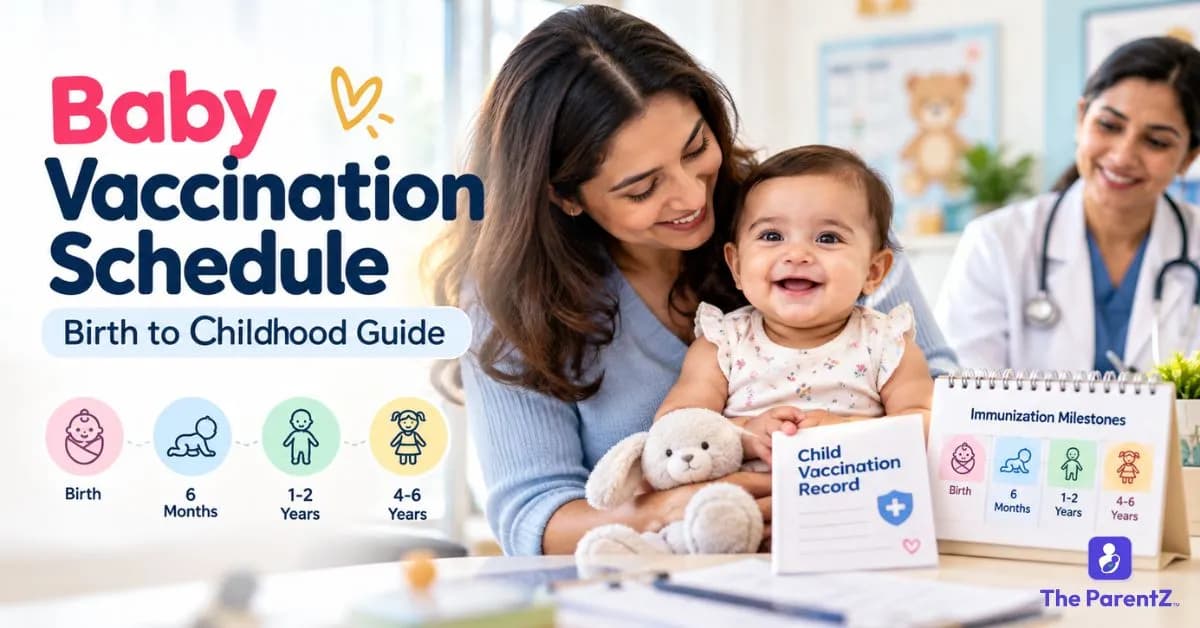
Learn about the baby vaccination schedule from birth through childhood. Discover when vaccines may be due, how to track doses, what to do if a vaccine is missed, and simple tips to keep your child’s vaccination record up to date.
Whether you want to protect your little one from serious illness or support healthy growth in the early years, getting your child vaccinated at the right age and time is vital. Not only does timely vaccination help protect your child from serious diseases, but following the right schedule also helps ensure that each vaccine is given at the recommended age.
Besides, vaccination has been shown to significantly reduce deaths caused by vaccine-preventable diseases in children.
However, while you can find a plethora of baby vaccination tracker apps with reminders, keeping track of vaccine dates, doses, and upcoming shots can still be hard for busy parents. By following a baby vaccination schedule, parents can keep child vaccine records in one place, stay aware of upcoming doses, and keep their child's vaccination plan on track as they grow. Overall, following a vaccination schedule helps parents give their child the recommended vaccines at the right age and time.
Baby Vaccination Schedule From Birth Through Childhood
From the first days after birth to the school years, kids may need several vaccines at different ages. Understanding the recommended vaccine dates can help parents plan each dose as well as keep their child’s vaccine record up to date.
The table below shows a general baby vaccination schedule by age and the vaccines that may be given during each stage.
Age | Vaccines | Why It Matters |
|---|---|---|
At Birth | BCG, Hepatitis B, and polio vaccines may be given based on the local schedule. | Starts early protection against certain diseases. |
6 to 8 Weeks | Early doses of vaccines such as DTaP, polio, Hib, pneumococcal, rotavirus, and others may be due. | Builds early protection during the first months of life. |
10 to 14 Weeks | Follow-up doses of several early vaccines may be given. | Adds to protection from the first doses. |
Around 6 Months | Some vaccine doses may be due based on earlier doses and local guidance. | Continues the child's vaccine plan. |
9 to 12 Months | Vaccines such as measles, mumps, and rubella may be given based on the local schedule. | Adds protection as the child grows. |
12 to 18 Months | Booster doses and other age-based vaccines may be due. | Helps maintain protection from earlier vaccines. |
18 Months to 2 Years | Further doses may be given based on the child's past vaccine record. | Keeps the vaccine plan up to date. |
4 to 6 Years | Childhood vaccines and booster doses may be due. | Supports protection during the school years. |
Later Childhood and Teenage Years | Some vaccines and booster doses may be advised. | Continues protection as children get older. |
The exact vaccine names, doses, and timing can vary by country and health guidance. Parents should follow the schedule advised by their child's healthcare provider.
5 Tips to Keep Your Child's Vaccination Schedule on Track
While keeping track of your child’s vaccines, doses and due dates can be difficult, it is still possible to stay on schedule by following a few simple steps. By planning each vaccination in advance, parents can keep track of upcoming doses and ensure their kid receives the recommended vaccines at the right time.
Here are some simple tips to help parents stay on track with their kid's vaccination schedule.
Know the Recommended Schedule
Every stage of childhood may have different vaccine needs. Make sure you learn which vaccines are usually given at each age and check the recommended schedule for your child. Ask the child’s healthcare provider about upcoming vaccines during visits and note when each dose may be due.
This can help you understand what comes next and plan ahead instead of trying to remember each vaccine date.
Keep Vaccine Dates Easy to Find
In addition to knowing when each vaccine is due, make sure you also write each vaccine date on a calendar or planner and mark the dates for upcoming doses. Keep these dates in a place that is easy to check before healthcare visits or at the start of each week. Review the list regularly to see which vaccines have already been given and which doses may be due next.
This can help you plan upcoming visits and avoid missing important vaccination dates.
Use a Mobile App to Track Vaccines
Keeping vaccine details in one place can make them easier to manage. Use a mobile app to record each vaccine, check upcoming doses and set reminders for due dates. Add the vaccine name and date after each visit so the information stays up to date. Having these details on your phone also makes it easier to check your child’s vaccination history when you need it.
Follow the Schedule as Your Child Grows
Your child’s vaccine needs can continue to change as they grow. Check the recommended schedule at each stage and note any vaccines or booster doses that may be due during the toddler years, school years, and later childhood.
Keep reviewing the schedule as your child moves from one age group to the next. This can help you stay aware of vaccines that may be needed later, even after the first years of infancy.
Update the Vaccine Record After Each Dose
As your child receives vaccines at different ages, keeping their vaccine record updated can help you track each dose effortlessly. Add each vaccine and the date it was given as soon as your child receives the dose. You should also check that the details are correct and keep the record in a place where it is easy to access. Also, review the record from time to time to see which vaccines have been given and which doses may be due next.
An updated record can also make it easier to share your child’s vaccination history during healthcare visits.
Frequently Asked Questions
When does a baby's vaccination schedule start?
A baby's vaccination schedule can start at birth. Some vaccines may be given soon after birth, based on the schedule followed in the child's country or region.
How many vaccines are needed during infancy?
The number of vaccines and doses varies by country, age, and the recommended vaccine schedule. Some vaccines are given in a series over several months.
What should parents do if a vaccine is missed?
Parents should contact the child's healthcare provider if a scheduled vaccine is missed. The provider can review the child's vaccine record and advise on the next dose.
Can a child receive a vaccine after the recommended date?
A vaccine may still be given after the planned date, but the next step depends on the child's vaccine history and local guidance. Parents should ask their healthcare provider for advice.
How can parents keep track of vaccination dates?
Parents can use a paper record, calendar, phone reminder, or mobile app to track vaccine dates. Keeping all vaccine details in one place can make the schedule easier to follow.
Why is it important to keep a child's vaccination record?
A vaccine record shows which vaccines and doses a child has received. It can help parents and healthcare providers check the child's vaccine history when needed.
Does the vaccination schedule change as a child grows?
Yes. Children may need different vaccines and booster doses at different ages. The schedule can continue through childhood and the teenage years.
Conclusion
Following a vaccination schedule can help parents make sure their child receives the recommended vaccines at the right stages of childhood. Not only does it help parents stay aware of upcoming vaccines, but it also makes it easier to plan each dose as the child grows.
Are you looking for an easy way to keep track of your child's vaccination schedule? The ParentZ app helps parents organise vaccine records, follow upcoming dates and keep important child care details in one place.
More in this Category

Baby Milestone Tracker App for New Parents: How to Track Milestones Effortlessly
Discover how a baby milestone tracker app can help new parents record important developmental milestones, track new skills, and keep a clear history of their baby's progress over time.

Baby First Foods: Age-Wise Foods for Babies from 6 to 12 Months
Discover suitable first foods for babies from 6 to 12 months, with age-wise food options, textures, nutrients, and helpful tips for introducing solids.

How Sleep Tracking Can Reveal Changes in Your Baby’s Sleep Pattern
Discover how tracking your baby's sleep can help parents notice changes in naps, bedtime, wake-up times, night wake-ups, and overall sleep patterns over time.

How to Track Breastfeeding, Bottle Feeds, and More with a Baby Feeding Tracker App
Learn how a baby feeding tracker app can help parents easily record breastfeeding, bottle feeds, pumping, formula, and feeding history while keeping important feeding details organized in one place.

How to Choose Safe and Nutritious First Foods for Your Baby
Learn how to choose safe and nutritious first foods for your baby, with practical tips on food texture, key nutrients, choking hazards, added salt and sugar, and simple food preparation.

How a Baby Development Tracker App Makes Growth Monitoring Easier for Parents
A baby development tracker app makes it easier for parents to monitor their child's growth, record developmental milestones, organize important updates, and follow progress over time.