Ravan at Home: A Dussehra Craft for Kids
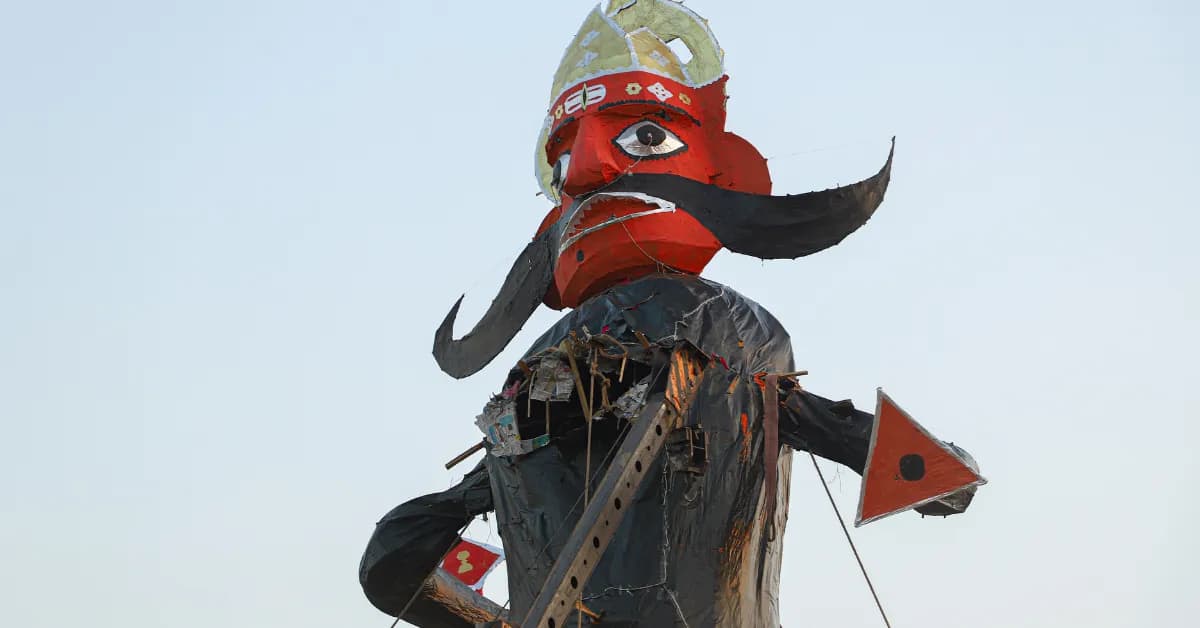
Dussehra, the festival of lights and victory, is a time of great joy and excitement for children. One of the most popular activities during this festive season is making a Ravan. This fun craft not only brings families together but also allows kids to show their creativity while learning about the cultural significance of Dussehra. This giant model of the ten-headed demon king is burnt on the tenth day of Dussehra, symbolizing the triumph of good over evil.
The Joy of Crafting Ravan
There's something magical about crafting your very own Ravan. Every year, children across India look forward to this delightful activity. It's an activity passed down through generations, and each homemade Ravan tells a unique story. Whether it's a small Ravan made from paper or a grand one crafted from cardboard, each creation is filled with love and imagination.
Getting Started: What You'll Need
Before we jump into crafting, let's gather all the materials you'll need. Here's a simple list to get you started:
- Cardboard or thick paper: For the base structure.
- Scissors: To cut out shapes.
- Glue: To stick everything together.
- Colorful paints or markers: To bring your Ravan to life.
- Decorative items: Think sequins, glitter, or even old bangles!
- String or yarn: For making arms and legs.
- A big smile: This is essential!
Step-by-Step Guide to Crafting Your Ravan
Now that we have our materials ready, let's get crafting! Here's a simple step-by-step guide:
Step 1: Create the Base
Start by cutting out a large rectangle from your cardboard to form Ravan's body. You can adjust the dimensions accordingly, depending on how big you want your Ravan to be.
Step 2: Add Features
Cut out shapes for Ravan's face—two large eyes, a big nose, and a wide mouth. Use colorful paper or paint to give him that vibrant look! Don't forget his iconic ten heads; you can make smaller versions of his face and stack them on top.
Step 3: Dress Him Up
Use colorful fabric scraps or paper to create clothes for your Ravan. You can make him wear a traditional dhoti or any outfit that sparks your imagination. Glue these onto your base.
Step 4: Arms and Legs
Attach string or yarn for arms and legs. If you have old sticks or straws handy, you can even use them! Make sure they are securely glued so your Ravan stands tall.
Step 5: Final Touches
Now comes the most exciting part—decorating! Use glitter, sequins, or anything shiny to give your Ravan some flair. Let your child's creativity run wild and make a Ravan truly unique!
Step 6: Display Your Masterpiece
Once everything is dry, find a special spot in your home to display your handmade Ravan. You could even set up a mini Dussehra celebration around it! When displaying your Ravan, remember to place it in a respectful location, away from areas where it might get damaged.
Involving the Whole Family
Making a Ravan is a great way to spend quality time with your family. Encourage your child's siblings, grandparents, and other family members to get involved. You can have a family crafting session and make your Ravan together.
Conclusion
Making a homemade Ravan is more than just a craft; it's an opportunity for families to bond while celebrating an important cultural festival. So, this Dussehra, gather your supplies and start creating your own Ravan. It's an entertaining and rewarding activity that will create lasting memories for your family. Remember, the most important thing is to have fun and celebrate the spirit of Dussehra.
More in this Category

Baby Milestone Tracker App for New Parents: How to Track Milestones Effortlessly
Discover how a baby milestone tracker app can help new parents record important developmental milestones, track new skills, and keep a clear history of their baby's progress over time.

Baby Vaccination Schedule: A Parent-Friendly Guide From Birth Through Childhood
Learn about the baby vaccination schedule from birth through childhood. Discover when vaccines may be due, how to track doses, what to do if a vaccine is missed, and simple tips to keep your child’s vaccination record up to date.
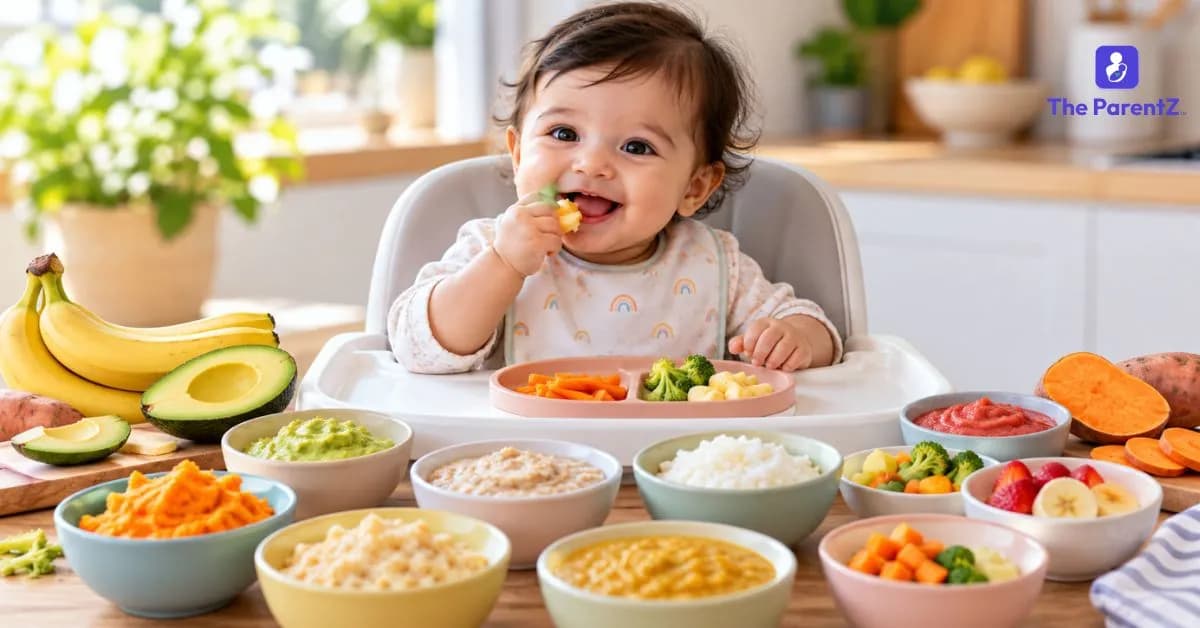
Baby First Foods: Age-Wise Foods for Babies from 6 to 12 Months
Discover suitable first foods for babies from 6 to 12 months, with age-wise food options, textures, nutrients, and helpful tips for introducing solids.

How Sleep Tracking Can Reveal Changes in Your Baby’s Sleep Pattern
Discover how tracking your baby's sleep can help parents notice changes in naps, bedtime, wake-up times, night wake-ups, and overall sleep patterns over time.

How to Track Breastfeeding, Bottle Feeds, and More with a Baby Feeding Tracker App
Learn how a baby feeding tracker app can help parents easily record breastfeeding, bottle feeds, pumping, formula, and feeding history while keeping important feeding details organized in one place.

How to Choose Safe and Nutritious First Foods for Your Baby
Learn how to choose safe and nutritious first foods for your baby, with practical tips on food texture, key nutrients, choking hazards, added salt and sugar, and simple food preparation.