Teaching Kids about Good vs. Evil: A Dussehra Lesson
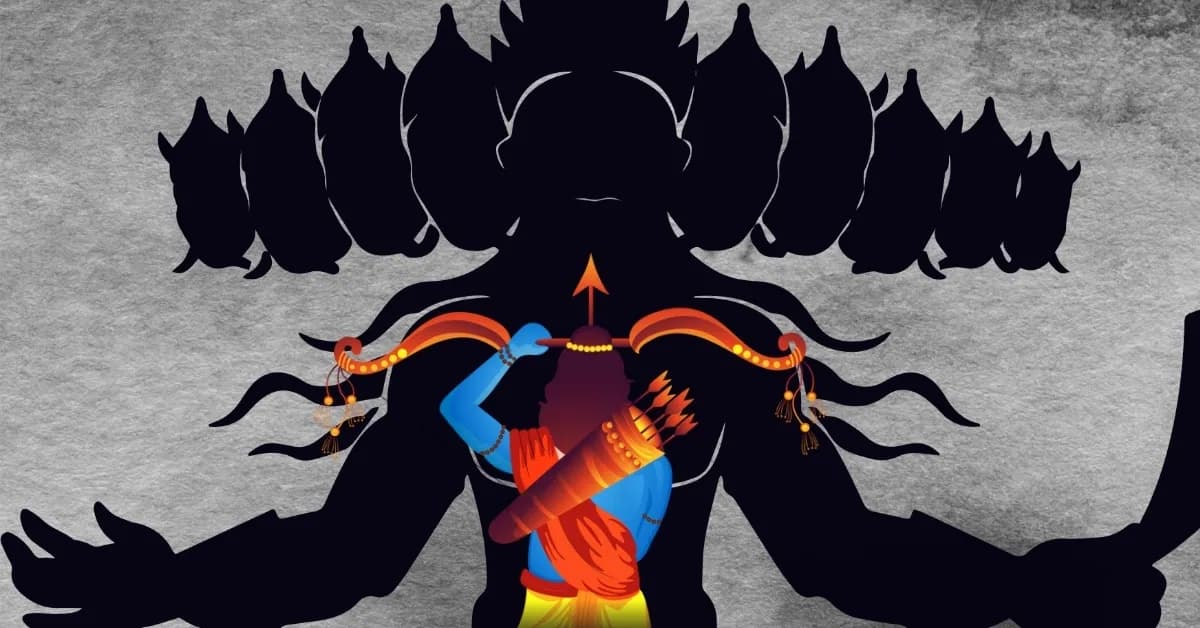
Parenting is filled with love, laughter, and, sometimes, overwhelming challenges. One of the most significant tasks we face is teaching our children the difference between good and evil. It's a complex topic, often clouded by gray areas and personal biases. As parents, we want to guide our children toward a path of righteousness, but we also want to foster their independence and critical thinking skills. Dussehra, with its symbolic victory of good over evil, provides a perfect opportunity to discuss this important topic with our kids.
The Ramayana: A Timeless Tale
The epic Ramayana, a cornerstone of Hindu mythology, offers a treasure trove of lessons about morality and ethics. The story of Rama, Sita, and Ravana is not just a tale of adventure but also a profound exploration of human nature. Through the actions of these characters, we can teach our children about the qualities of goodness, such as courage, honesty, compassion, and selflessness. We can also discuss the negative consequences of evil, such as arrogance, greed, and deceit.
Understanding Good vs. Evil through the Ramayana
The Ramayana is a rich narrative that illustrates the battle between good and evil. Lord Rama represents righteousness, while Ravana embodies negative traits such as arrogance and greed. However, it's essential to discuss with children that not everything is black and white. For example, Ravana was also a learned scholar and a devoted devotee of Lord Shiva. This complexity can spark discussions about how people may possess both good and bad qualities.
Key Moments in the Ramayana:
- Rama's Exile: When Rama is exiled to the forest, it teaches children about sacrifice and duty. Despite being wronged, Rama chooses to uphold his dharma (duty). This moment can lead to discussions about handling unfair situations with grace.
- Sita's Abduction: Sita's kidnapping by Ravana raises questions about consent and respect. It's crucial to discuss how actions can have far-reaching consequences.
- The Battle: The final confrontation between Rama and Ravana symbolizes the ultimate struggle between good and evil. Children can learn that while good may triumph, it often requires courage, perseverance, and teamwork.
Teaching Moments: When Good and Evil Aren't Clear-Cut
There are instances in life where distinguishing between good and evil becomes challenging. For example, characters like Vibhishana (Ravana's brother who sides with Rama) show that loyalty can sometimes conflict with moral choices.
Navigating Gray Areas:
- Encourage Questions: Instead of providing direct answers, encourage children to ask questions about the characters' motivations. Why did Vibhishana betray his brother? What does this say about loyalty?
- Discuss Real-Life Scenarios: Use everyday examples where decisions might not be clear-cut. For instance, if a friend is being bullied, should one intervene even if it risks their own social standing? These discussions help children think critically.
- Empathy Development: Encourage children to put themselves in others' shoes. How would they feel if they were in Sita's position or Ravana's? This fosters empathy and helps them understand different perspectives.
Allowing Freedom of Choice
While parents naturally wish for their children to follow paths that lead to happiness and success—often mirroring their own experiences—it's crucial to recognize that each child is unique. Here are some thoughts on fostering independence:
- Recognize Individuality: Every child has their own strengths, weaknesses, and interests. Just as Rama had his unique journey, encourage your child to carve out their own path.
- Value Struggles: Life's challenges are not merely obstacles; they are opportunities for growth. Discuss how both Rama's trials in the forest and Ravana's eventual downfall stemmed from their choices.
- Moral Guidance Over Control: Instead of dictating a specific path for your child, provide them with moral frameworks based on stories from the Ramayana. Teach them values like honesty, integrity, and compassion while allowing them to make choices.
Conclusion
Teaching children about good and evil is a lifelong journey that requires patience, understanding, and a commitment to open-mindedness. This Dussehra, let us use the Ramayana as a guide to foster critical thinking skills and help our children form a strong moral compass and the ability to handle the complexities of life. Remember, the goal is not to force our children to conform to our beliefs but to empower them to make better and ethical choices.
More in this Category

Baby Milestone Tracker App for New Parents: How to Track Milestones Effortlessly
Discover how a baby milestone tracker app can help new parents record important developmental milestones, track new skills, and keep a clear history of their baby's progress over time.

Baby Vaccination Schedule: A Parent-Friendly Guide From Birth Through Childhood
Learn about the baby vaccination schedule from birth through childhood. Discover when vaccines may be due, how to track doses, what to do if a vaccine is missed, and simple tips to keep your child’s vaccination record up to date.
Baby First Foods: Age-Wise Foods for Babies from 6 to 12 Months
Discover suitable first foods for babies from 6 to 12 months, with age-wise food options, textures, nutrients, and helpful tips for introducing solids.

How Sleep Tracking Can Reveal Changes in Your Baby’s Sleep Pattern
Discover how tracking your baby's sleep can help parents notice changes in naps, bedtime, wake-up times, night wake-ups, and overall sleep patterns over time.

How to Track Breastfeeding, Bottle Feeds, and More with a Baby Feeding Tracker App
Learn how a baby feeding tracker app can help parents easily record breastfeeding, bottle feeds, pumping, formula, and feeding history while keeping important feeding details organized in one place.

How to Choose Safe and Nutritious First Foods for Your Baby
Learn how to choose safe and nutritious first foods for your baby, with practical tips on food texture, key nutrients, choking hazards, added salt and sugar, and simple food preparation.