Best Vegetables for babies
Explore safe and nutritious vegetables for babies aged 6-24 months. Learn when to introduce, how to serve, and key health benefits.
Our comprehensive Baby First Foods Database features over 100+ baby-safe foods, providing a trusted resource for parents starting their solid food journey. We've meticulously organized these foods by age milestones-including 6, 9, 12, 18, and 24 months plus-ensuring you find exactly what's appropriate for your baby's developmental stage. Explore by categories such as nutrient-dense Fruits, Vegetables, Grains, and Proteins, as well as Dairy, Oils, Beverages, and Prepared Foods.
For safety and peace of mind, our database includes a robust allergen filter covering the 'Big 9' allergens: Egg, Milk, Peanut, Tree Nut, Fish, Shellfish, Soy, Wheat, and Sesame. Each food entry is packed with essential information, including when to introduce the food, expert tips on how to serve it safely to prevent choking, and key nutrition highlights. All content is expert-validated, adhering to World Health Organization (WHO) and pediatric guidelines. We also recognize the importance of cultural nutrition, featuring traditional Indian baby foods such as Khichdi, Ragi, Dal, Ghee, and Chaas. Use the filters above to discover the perfect foods tailored to your baby's age and nutritional needs.
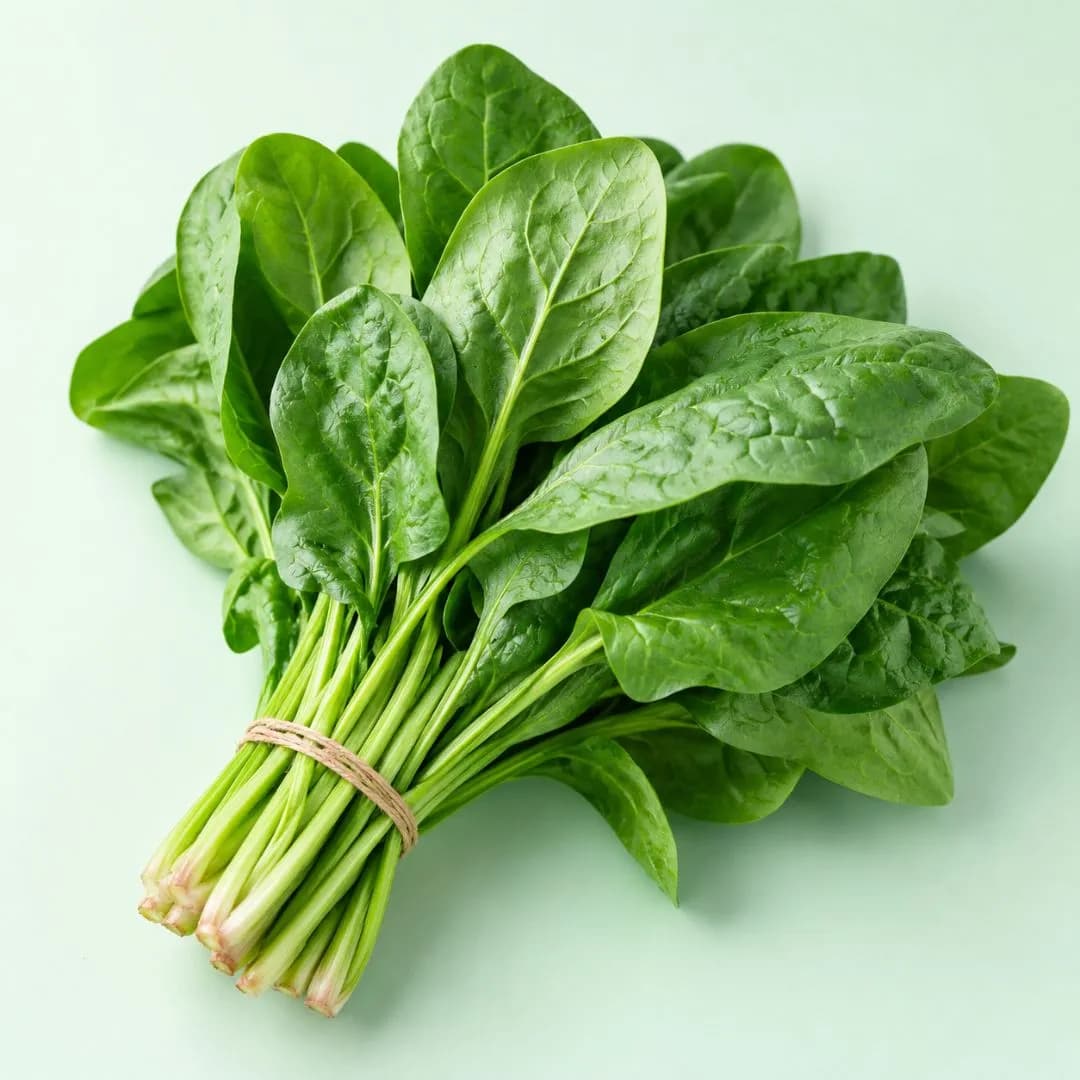
Spinach
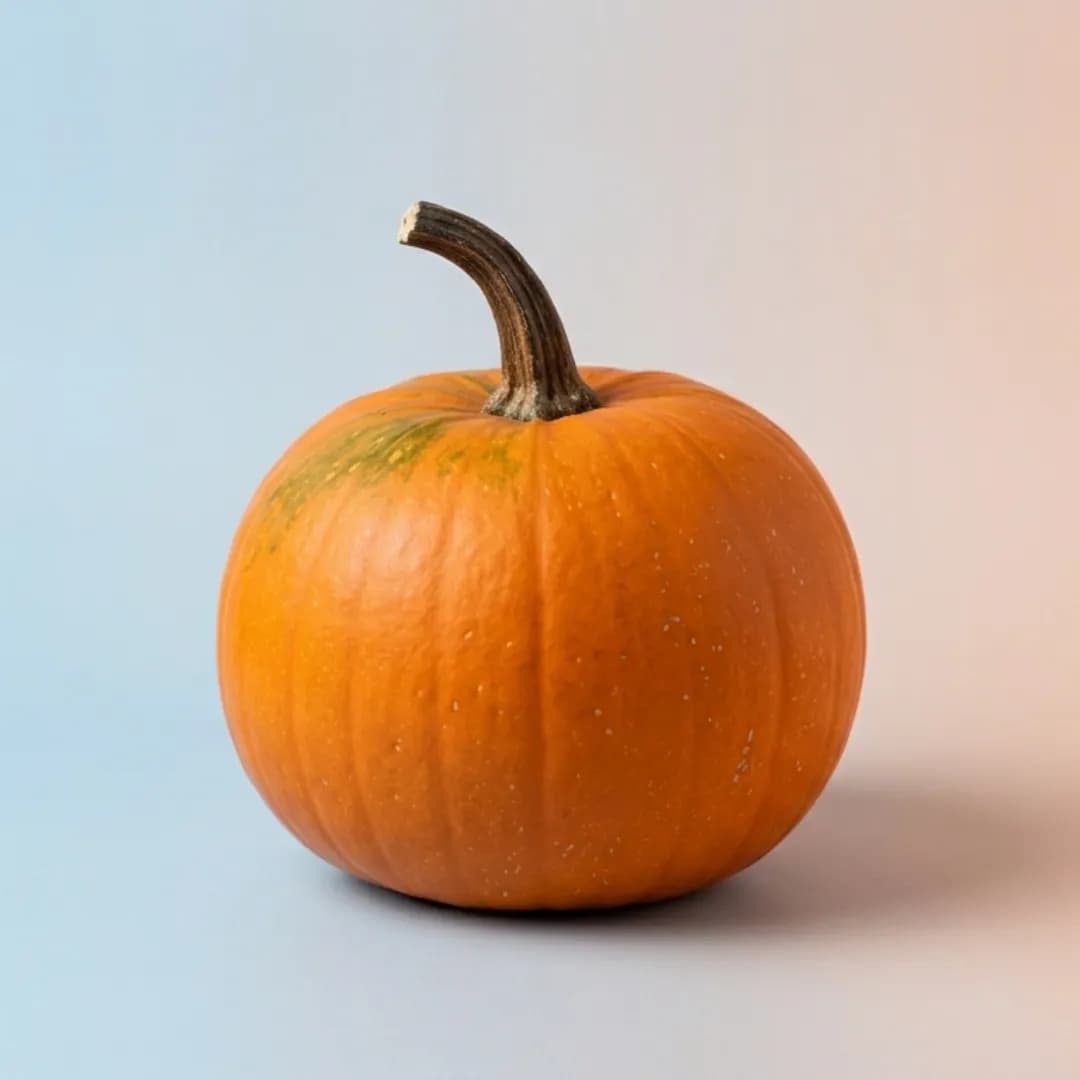
Pumpkin
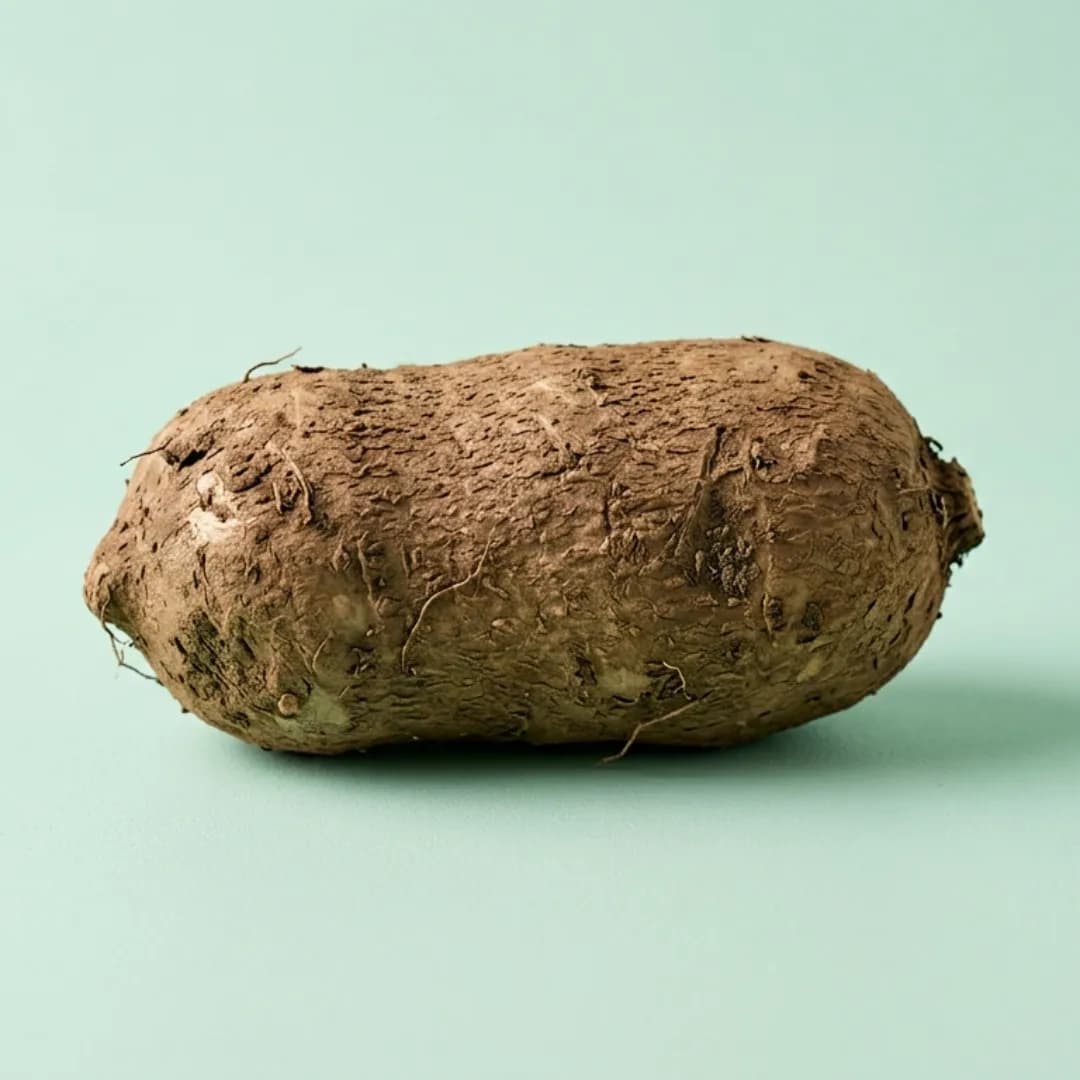
Yam
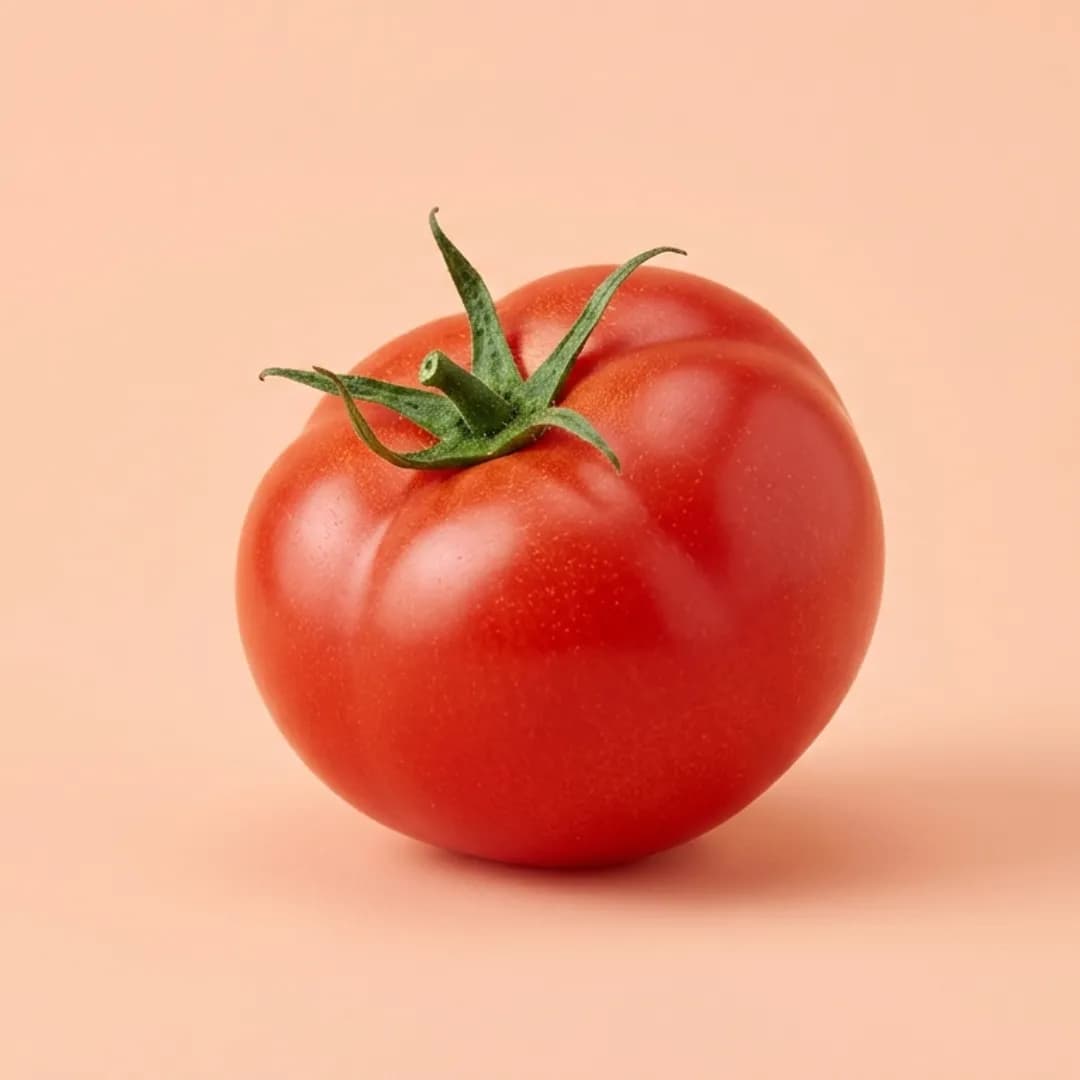
Tomato
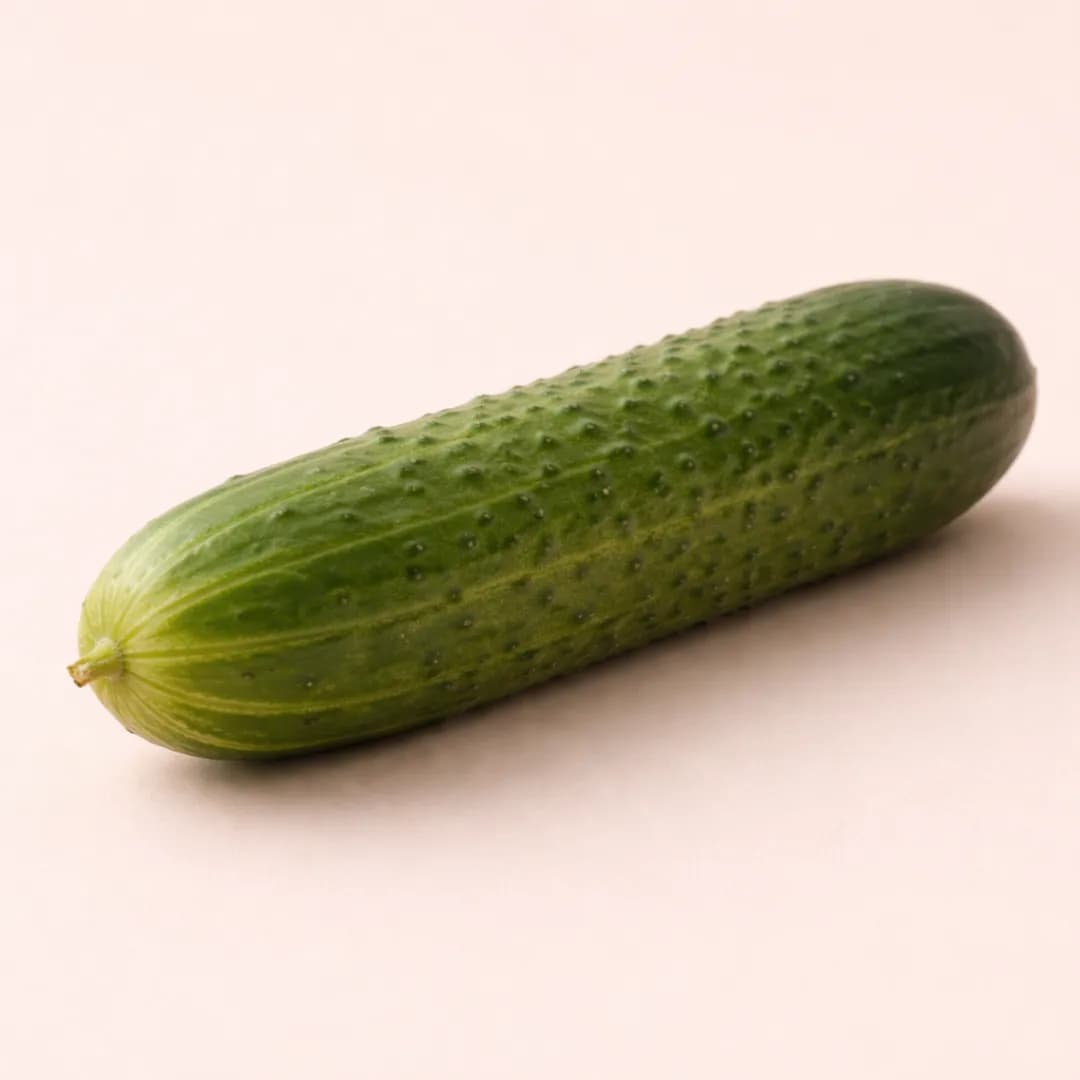
Cucumber
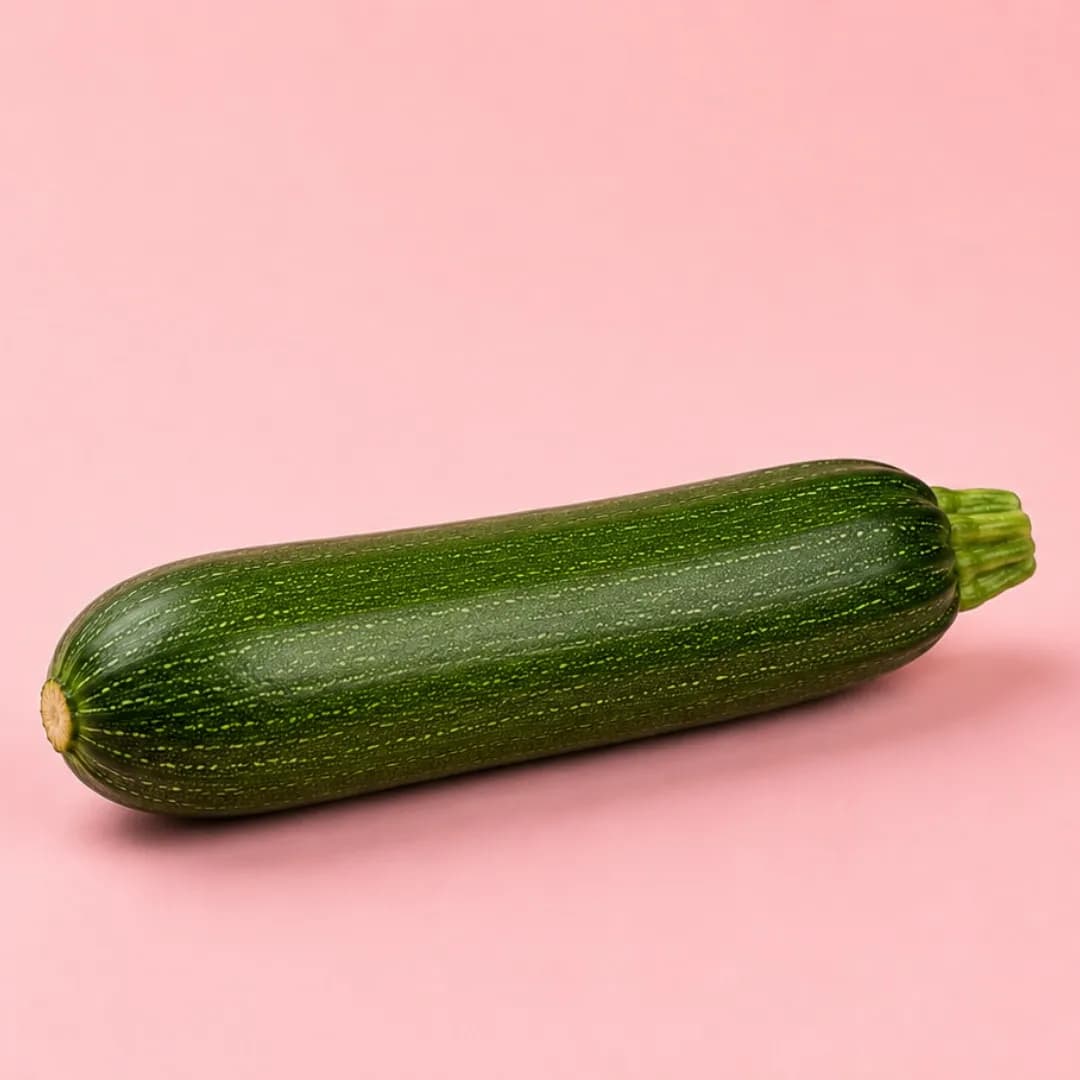
Zucchini
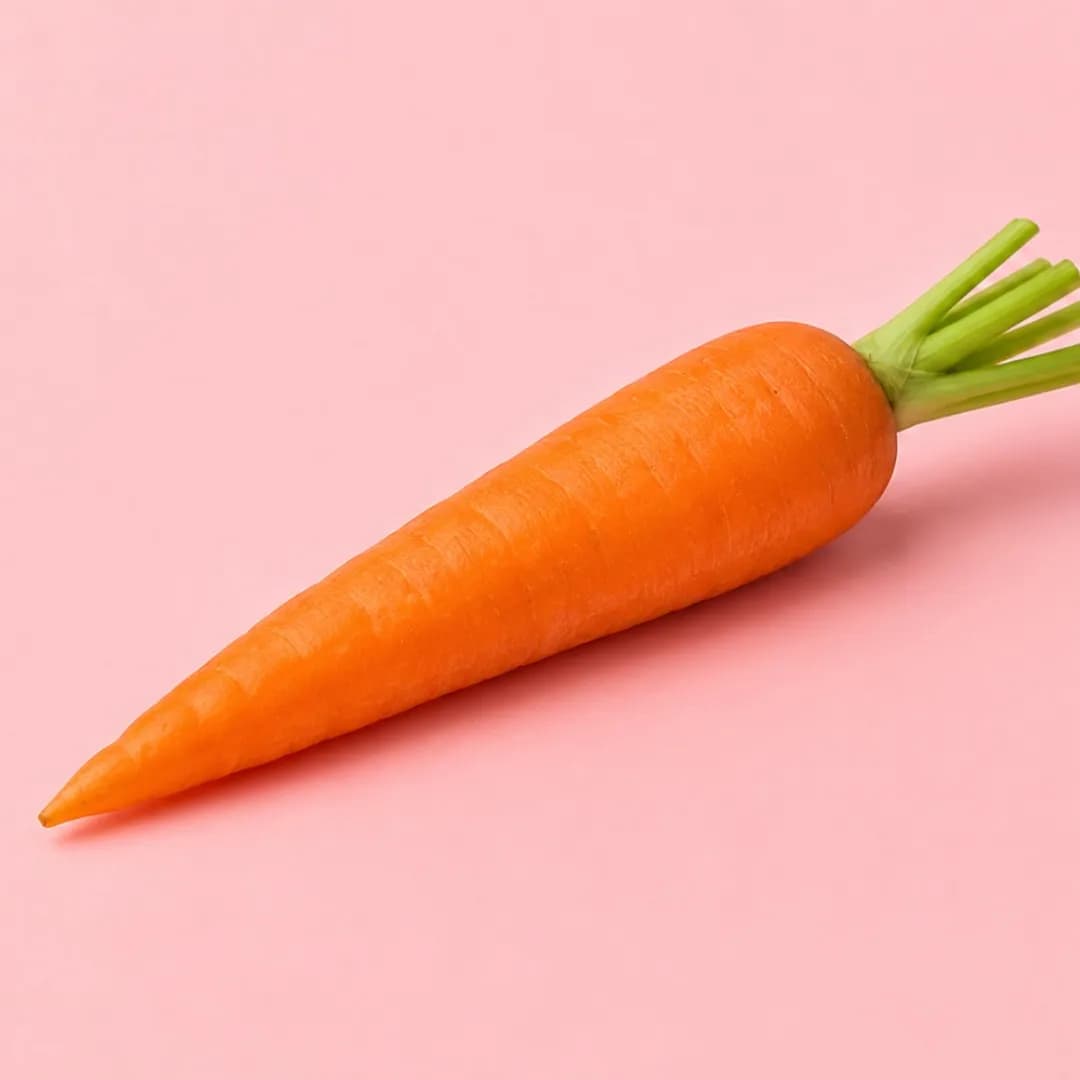
Carrot
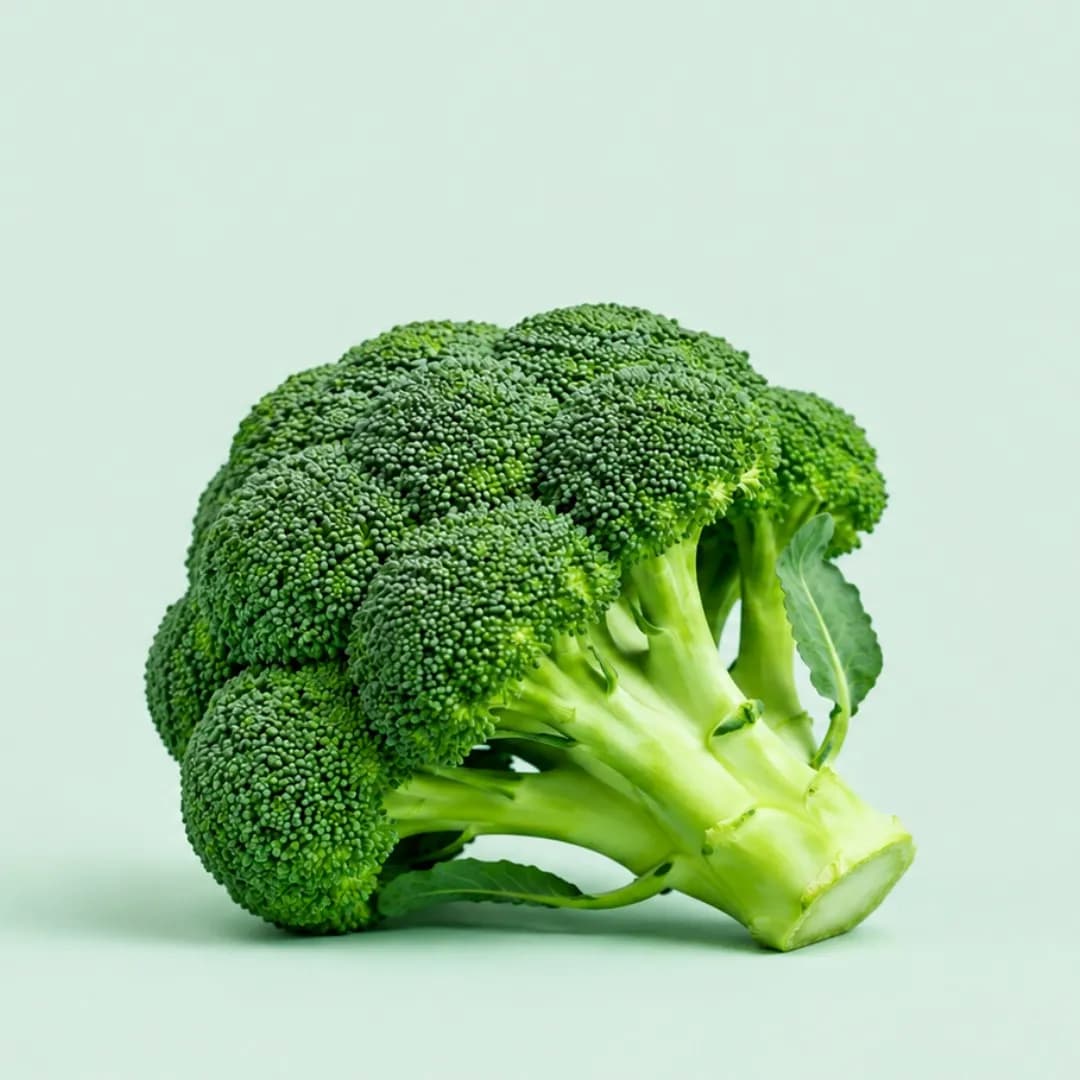
Broccoli
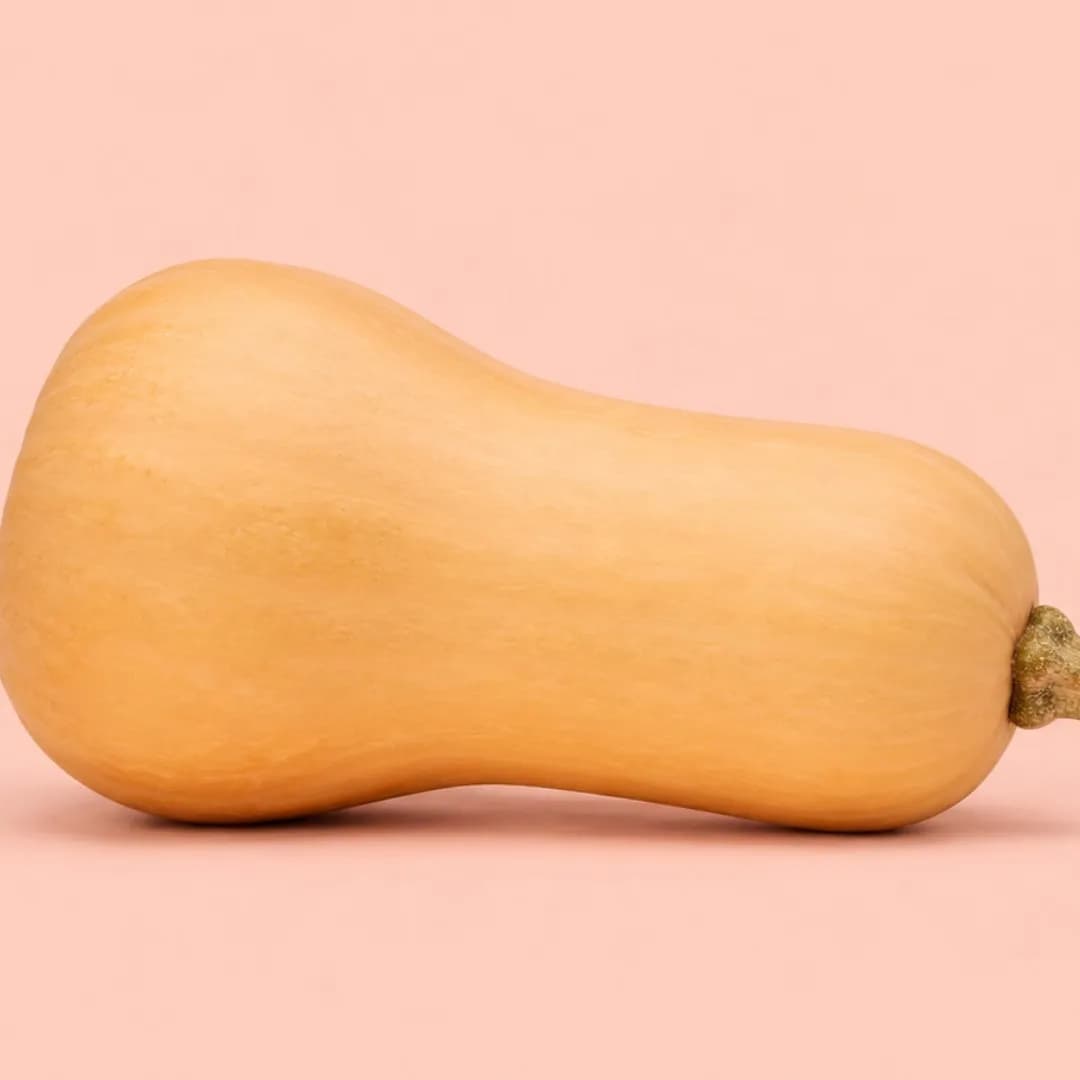
Squash
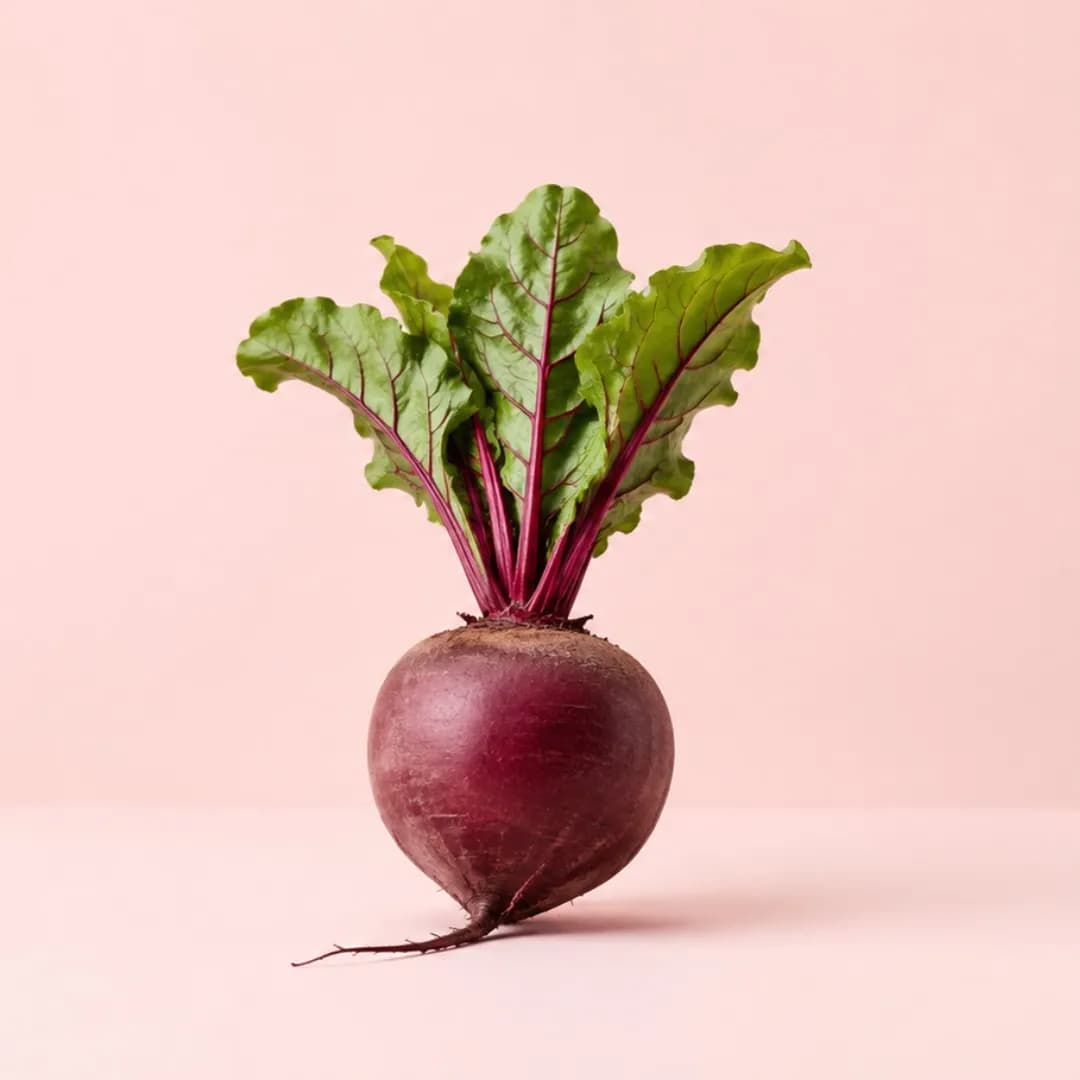
Beetroot
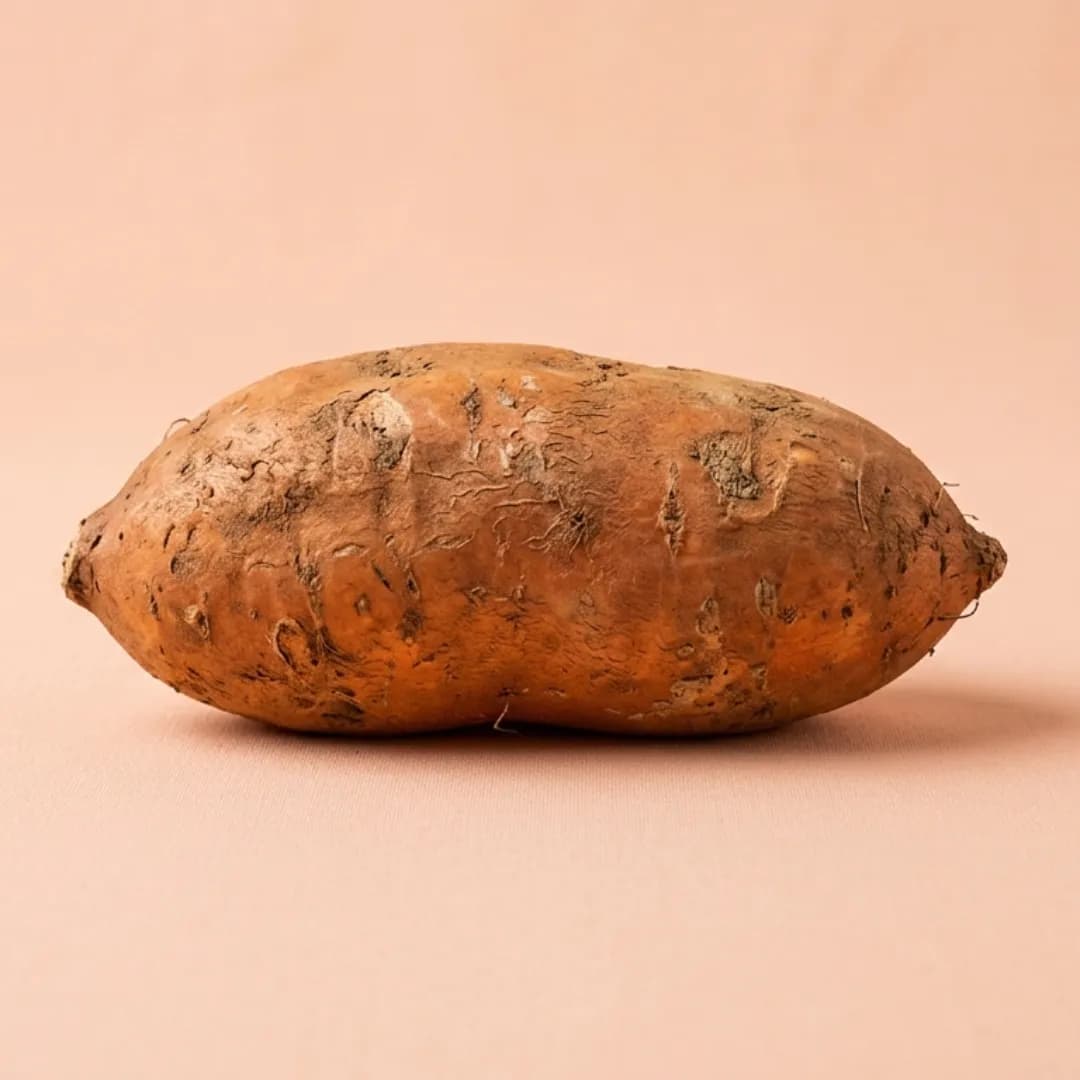
Sweet Potato
Foods to Avoid (Under 1 Year)
Safety is the top priority when starting solids. Some common foods can be dangerous for infants due to choking risks, bacterial infection, or undeveloped digestive systems.
Honey
Risk of botulism, a serious type of food poisoning, for babies under 12 months.
Cow's Milk
Should not be the main drink until 1 year; babies can't digest the proteins easily.
Whole Nuts
Major choking hazard. Use thin nut butters mixed into purees instead.
Added Salt & Sugar
Baby's kidneys can't handle salt, and sugar can lead to tooth decay and weight issues.
Unpasteurized Dairy
Risk of harmful bacteria like Listeria. Always choose pasteurized products.
Hard/Round Foods
Popcorn, whole grapes, and hard candies are dangerous choking hazards.
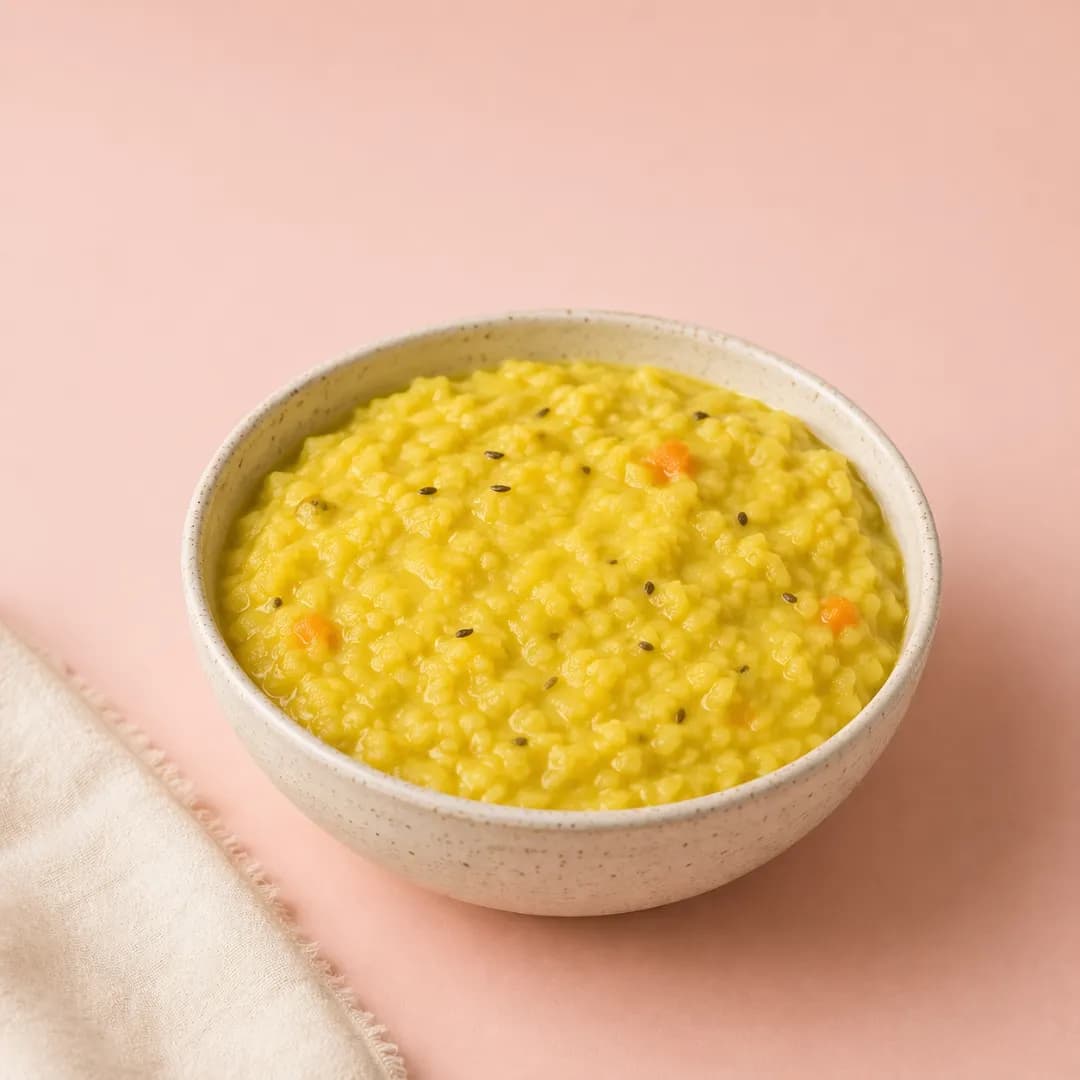
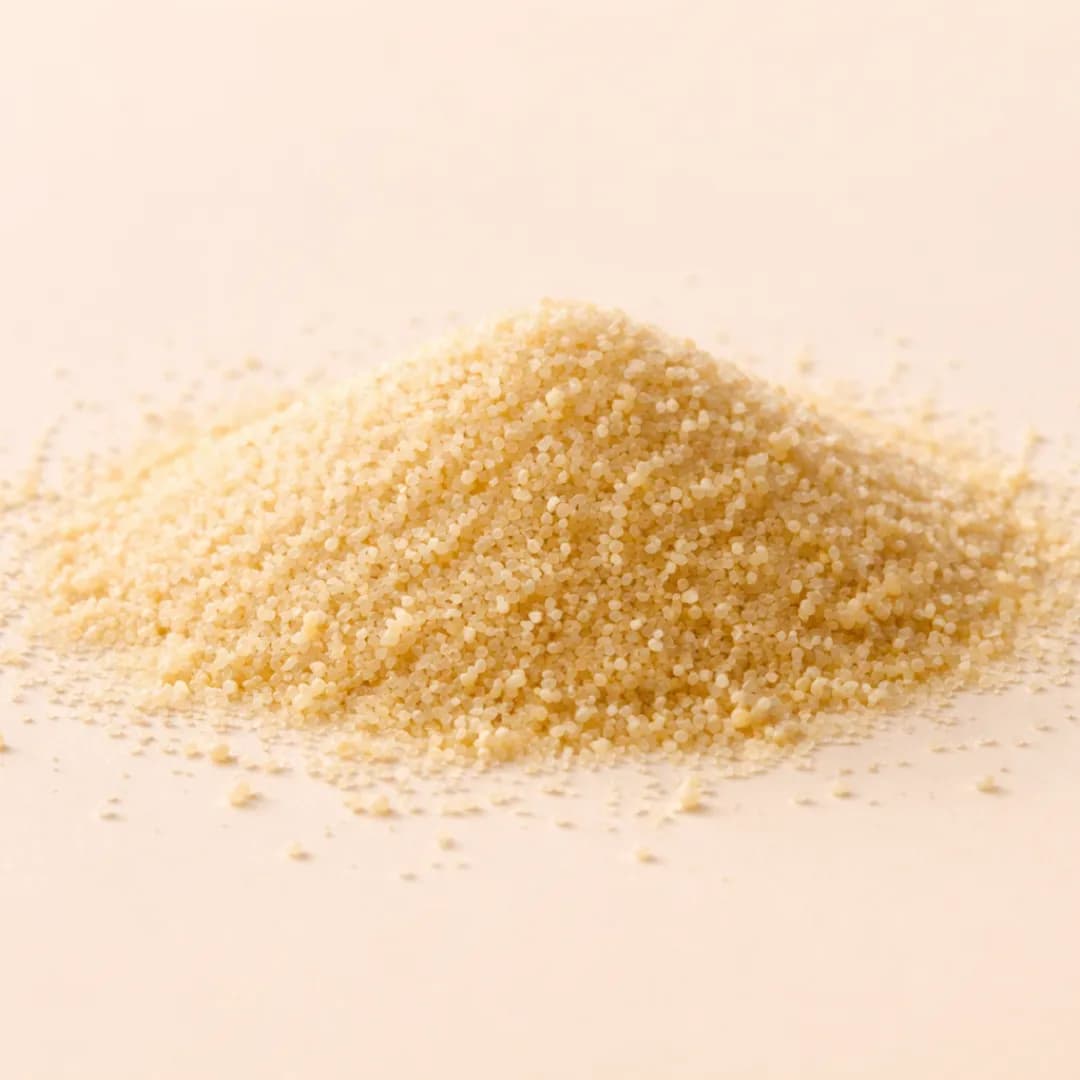
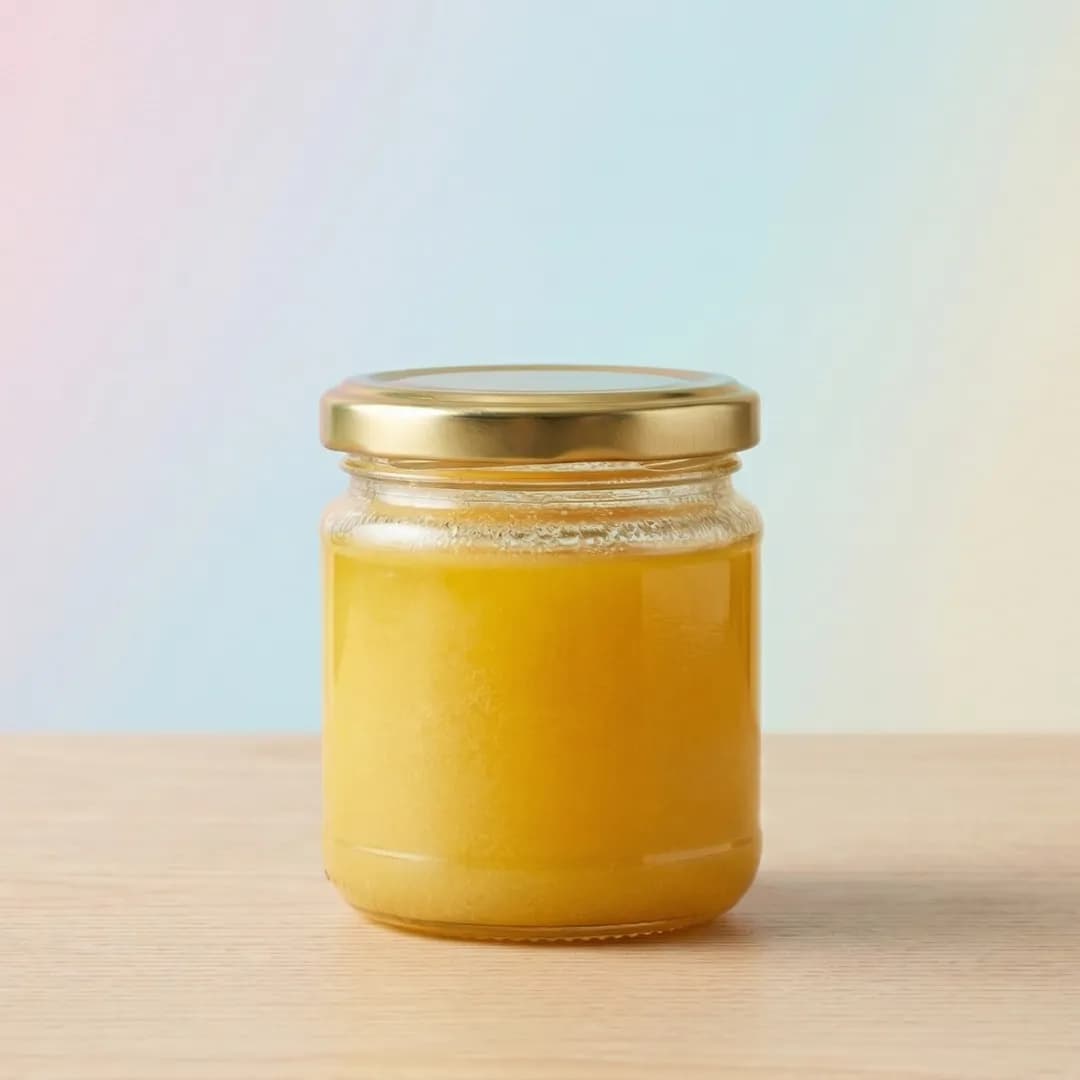
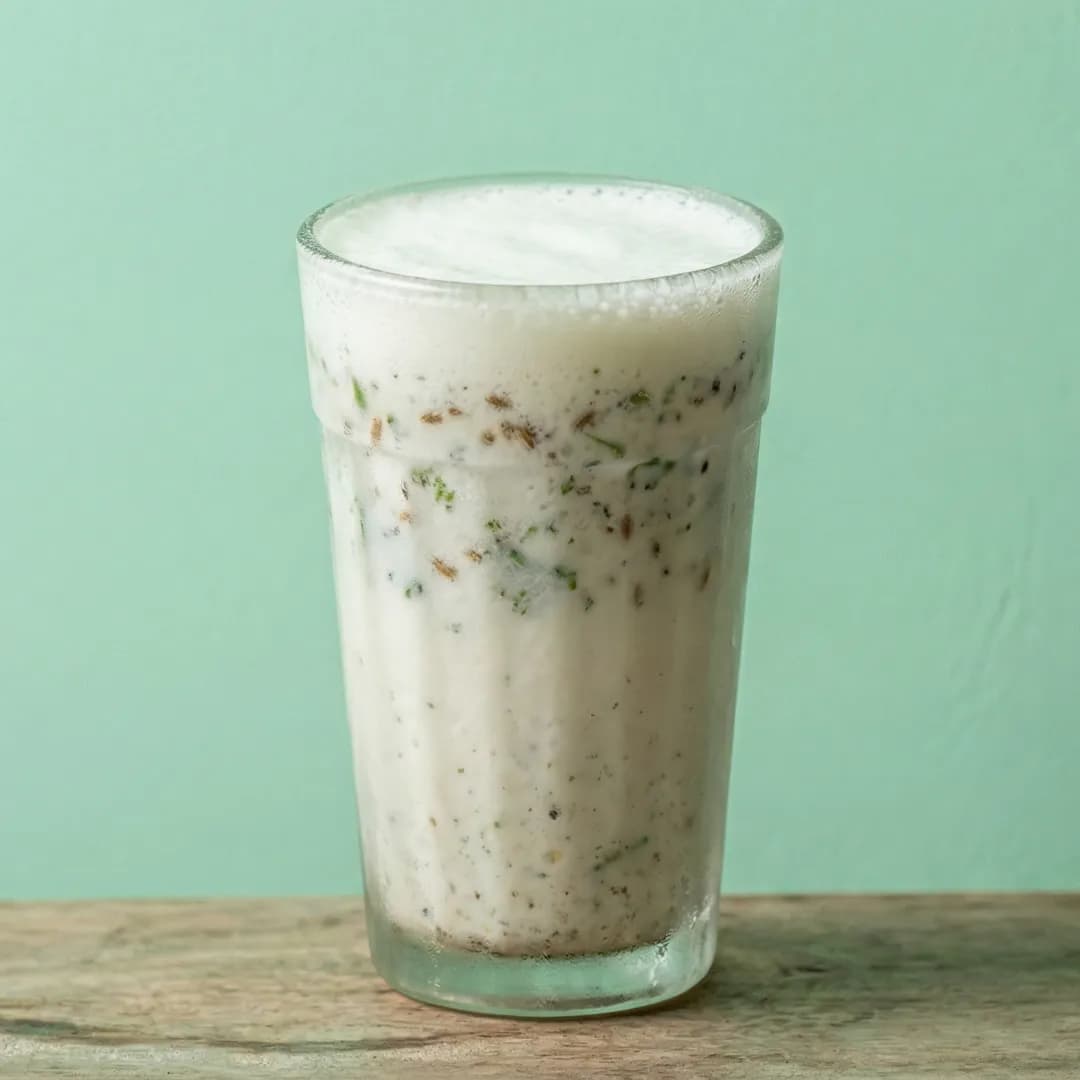
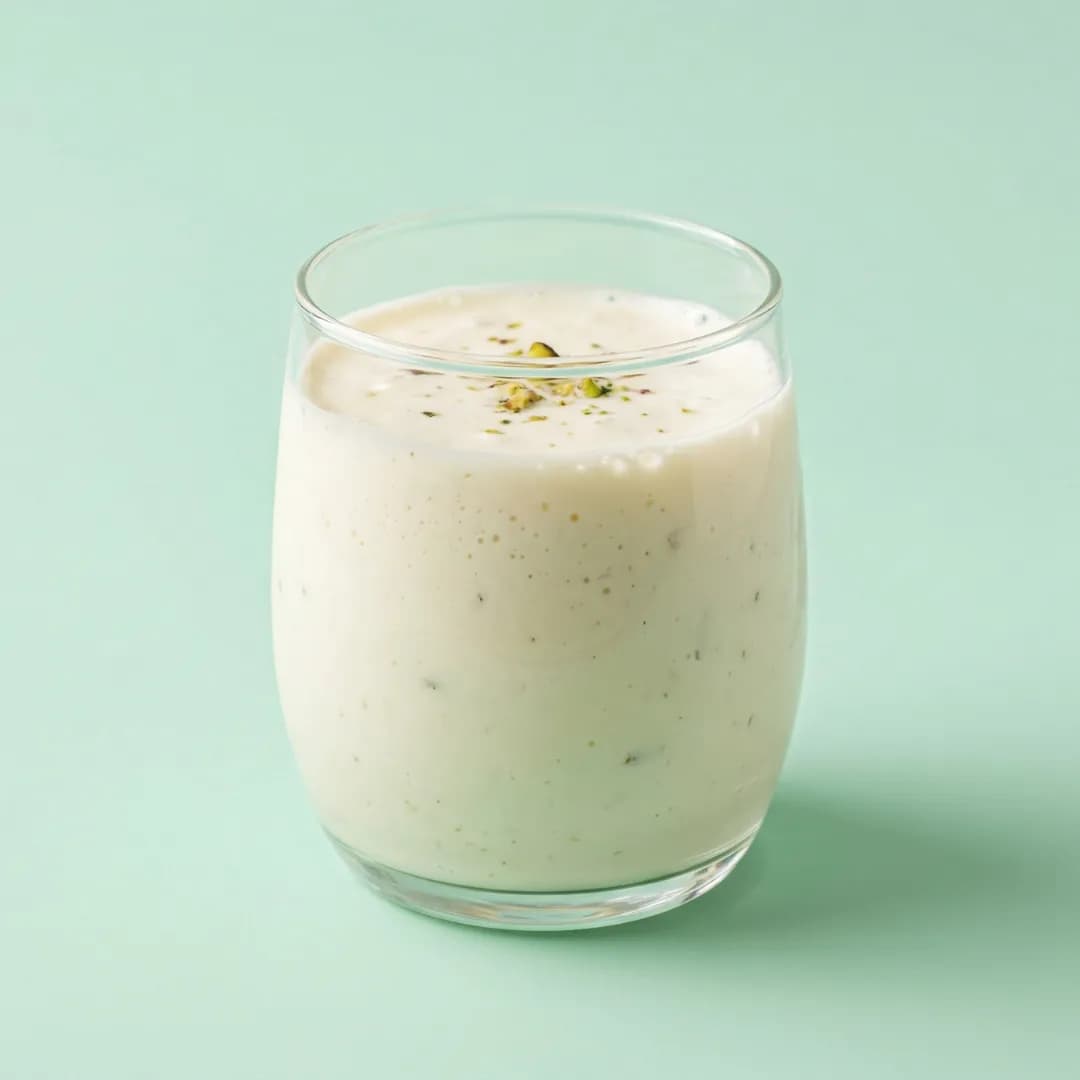
Traditional Indian Baby Foods
These nutrient-dense Indian foods are recommended by pediatricians for babies starting solids, trusted across generations. They provide essential vitamins and minerals for your baby's growth.
Essential Parenting Guides
Deepen your knowledge with our expert-written guides on starting solids, weaning methods, and infant safety.
Frequently Asked Questions
What foods can a 6-month-old baby eat?
At 6 months, babies can begin with smooth purees of fruits (apple, banana, mango), vegetables (sweet potato, carrot, pumpkin), and grains (oats, ragi). Indian foods like dal and khichdi are also excellent first foods. Introduce one food at a time and wait 3-5 days before trying the next.
What foods should babies avoid under 1 year?
Babies under 12 months should avoid honey (risk of botulism), whole nuts and seeds (choking hazard), added salt and sugar, cow's milk as a main drink, unpasteurized dairy, and high-mercury fish. Always consult your pediatrician before introducing new foods.
How do I introduce allergens safely to my baby?
Introduce the Big 9 allergens (egg, milk, peanut, tree nut, fish, shellfish, soy, wheat, sesame) one at a time. Start with a very small amount and wait 10-15 minutes for any immediate reaction, then continue if no reaction occurs. Wait 3-5 days before introducing another new allergen.
When can babies start baby-led weaning (BLW)?
Baby-led weaning can begin at 6 months when babies show readiness signs - sitting up with minimal support, showing interest in food, and loss of the tongue-thrust reflex. Start with soft finger foods cut into spear shapes that babies can grip easily.
Is ghee safe for babies?
Yes, ghee is safe and beneficial for babies from 6 months. It is rich in healthy fats, supports brain development, and aids in the absorption of fat-soluble vitamins. Add a small amount (1/4 tsp) to purees or khichdi.
When can babies eat eggs?
Eggs can be introduced from 9 months. Start with well-cooked scrambled eggs or egg yolk mixed into purees. Eggs are one of the Big 9 allergens, so watch for any reaction after the first introduction.
What are the best first Indian foods for babies?
The best traditional Indian first foods include dal (protein-rich, easy to digest), khichdi (balanced rice and lentil mix), ragi porridge (high in calcium and iron), and ghee (healthy fats for brain development). These have been used for generations and are endorsed by pediatric nutritionists.
Always consult your Pediatrician before starting solids.
Every child is different. Our recommendations are based on WHO standards and general safety guidelines, but your baby's unique health profile should be discussed with a medical professional.